Audirvāna Studio has the option of both streaming services (Qobuz, Tidal, HRA and Presto) and local files. So that’s the version to go for. A trial should tell you whether it’s worth the monthly or annual fee in your case.
3 Likes
ok fabulous. That I’m going to give a try right away! Thanks @Amarok !
2 Likes
No offence at all taken @frenchrooster - in fact you have thrown down the gauntlet, for my ears - if can you have have gauntlets for ears… I shall indeed try another A/B test with the ND5XS2. Yet you have also tempted me with the Innous….so win win! thank you.
1 Like
Are dedicated streamers worth it? Like all such general questions, there’s no clear answer that’s right for everyone. Personally, having to faff around with a computer in the listening room would massively distract from the listening experience. Indirect control by a tablet or phone would avoid that but then one effectively has a two-box streamer. So for me a one box streamer (plus NAS) is more convenient, sounds great and I’ve never had problems with software updates unlike with computers.
There’s another issue too: many very good DACs come with the streaming source inbuilt. Linn’s Organik DAC, my previous Auralic Vega and all the current Naim DACs are cases in point. Chord do have “pure” DACs and I do have a Qutest in my little office system, but even there I prefer operating through a little WiiM as transport rather than directly from the iMac I work on.
Roger
6 Likes
I use a computer, in fact I use two, one for control and the other for audio. Both are intel mini PCs running Windows Server 2019. The signal from the Audio PC goes into a Singxer SU-1 S/PDIF converters and then into a Naim Audio nDAC with XPS power supply. It sounds pretty good and the total cost when I purchased it was less than £1K, not including the DAC and power supply, of course. Software is JPLAY Femto and Audiophile Optimizer. Once you have it all set up, there isn’t too much ‘faffing’ to do. I control the system from an iPad with JPLAY iOS app.
You certainly can build a computer to have high quality isolated outputs, quality clocking, low noise power supplies etc. But there are a couple things to bear in mind:
- It takes a lot of effort and time.
- It takes some specialist parts.
- Because of the above, it is likely to cost as much as a dedicated transport.
- You’re on the hook for updates and maintenance.
- You now have a PC in the room, likely with a monitor and keyboard for maintenance. You probably don’t want that.
There is also a few other things at stake. A lot of the work around keeping the ground plane quiet over the connection to the DAC and ensuring low clock noise and accuracy is actually tested and measured and refined when buying a dedicated audio streaming transport. It’s part of the R&D. Unless you have the equipment and some training, you’re just going to be buying components with claims of superior quality and trusting that they really are.
People do actually do this for the purpose of building video HTPCs as the best video streamers only get you so far. But for audio, there are plenty available.
If you’ve got the equipment laying around and the skill and you think your own time is free, then sure, it might be better than a dedicated transport. If you are a PC building hobbyist without electrical engineering training, then no, the end result probably not going to be better than even a cheap as chips transport like an Ifi Zen Stream.
Of course, hifi below a certain level is probably going to be perfectly fine with no noticeable benefit from just using an off the shelf computer or laptop as your source. In that respect, the answer to the OP’s question is very much “it depends”.
Personally, I did the PC as transport thing a while back and while it was pretty good, no amount of savings would make me want to go back to having a PC in the living room.
10 Likes
No. Yes. Maybe.
Here’s my journey. Used a NDX for around 6 years. Over time I didn’t like how much it imposed its own sound on the music leading to a sense of homogeneity + the rather rudimentary streaming capability and the lack of USB further frayed my patience. I did a quick comparison between the NDX and my Innuos Mini Mk3 + PSU (used as a NAS drive) and found they sounded the same from a streaming vantage so I upgraded to an Aqua La Scala MkII DAC.
This was a pure DAC but as it had USB I hooked up my PC, subscribed to Roon to manage my music library + Qobuz and was satisfied with the sound. This improved further with the addition of the Innuos Phoenix USB reclocker which managed to get the best out of what is considered a noisy connection from a gaming PC.
To me this was the best way to establish the digital hierarchy when building a streaming set-up: allocate most of the funds to the DAC and use a regular computer (with the digital feed being cleaned up along the way) over a dedicated streamer. This sounded great and would still be what I’d be using were it not for decent chunk of discretionary funds making itself available recently which led me to upgrading part of my system.
I landed back to having a streaming DAC, opting for the Esoteric Grandioso N1 (+ the optional external power supply). Could a separate streaming transport + DAC get me a better sound? Maybe but it’s doubtful without spending the equivalent of the GDP of medium-sized nation. What convinces me that a dedicated streaming transport is superfluous is that Esoteric make one in the Grandioso N1T. This came out earlier in the year and is meant to be partnered with their dual-mono non-streaming DAC the Grandioso D1X SE. My N1 incorporates the exact network engine in the N1T (the G4 streaming board) and when you look at the internals of both models they are exactly the same. They have the same dedicated power supply, digital board and master clock. I have also heard that the difference in sound quality between the N1T + D1X SE combo vs my N1 + PS1 combo is almost nil. In fact my combo may pip it as it has the new generation DAC onboard.
Now my new streaming set-up eclipses my previous DAC + PC configuration, as it rightly should. Is having the network side of things kept internal inside the DAC chassis key? Probably. My N1 is Roon certified and supports RAAT mode and was found and set-up instantly when I first plugged it in and fired up Roon. But I still maintain that you can get excellent sound with a PC/MAC as a streamer and pouring all of your money into a stand alone DAC when your budget is limited is a smart move.
Finally, I just can’t swallow the asking price that hifi companies charge for expensive streaming transports. I can’t shake the notion that you are paying thousands/tens-of-thousands for what amounts to a gussied up PC. I’m sure side-by-side the dedicated transport is better but that much better? And could the money spent on a dedicated transport be poured elsewhere in the system to gain a greater improvement? That’s the question one should be asking.
Anyhoo, thanks for attending my TED talk.
9 Likes
Interesting journey. Actually it is exactly why my set up is as it is. Lack of funds is a very important factor in play. That may change in the future but as it stands not yet.
So what does one do when a lack of funds is a limiting factor. Family that knows how important music is to me decided that my birthday, wedding and Christmas gifts couldn’t be better suited than giving actually the best part of my set up to me.
That way I ended up with:
- Naim Nait1
- Logic DM101 Turntable with Linn Basik Plus tonearm and an AT95E cartridge
- Naim ND5 XS 2
- English Electric EE8
- Chord C-stream ethernet cable
- Spendor Classic 4/5 speakers
- Chord Epic X speaker cables
- Bachmann power block
What I started doing was getting the most out of what I had then. As this is about the streaming part I’ll just keep it to that.
First I started streaming over Wifi, so the EE8 was not even a part in the total set up. As it surpassed everything I had ever heard in my home before I was very happy with the results.
After doing some reading and having quite some CD’s I decided to rip those and store them on a storage device. And that was when I got interested in Roon. I installed it on my Windows laptop, an old refurbished Dell from the stone age that was gathering dust more than it was actually doing something useful. I used Roon for about 5 months when I started my Audirvāna trial. Audirvāna was better in my set up in every way: cheaper, better sound quality and it didn’t extract me from music listening as much as Roon did. I noticed I was reading a lot about all the artists whilst listening. Sometimes I’d discover that I didn’t know what songs had been played because I was so immersed in reading… So Audirvāna was proving very useful. It sounded very well and I just liked the sound better than with the Naim app. Audirvāna comes at a cost that was feasible to me.
Issues with signal and the knowledge that ethernet cables would probably give better results regarding sound quality made me invest in cables. I bought some cables that had enough length which cost me around 50 euros. That’s when the EE8 came into play.
It was then when I noticed the biggest difference between streaming over my laptop with Audirvāna and the native Naim app (Qobuz Connect wasn’t released yet). The sound stage was wider with Audirvāna and the bass was unmistakably better. It seemed that my whole set up entered a new dimension. Please note that the cables also benefited the streaming with the Naim app. So I would choose ethernet cables over wifi always when feasible, at least for now with the current technical possibilities.
About a year ago I changed the OS on the Dell to Linux Mint and started using the Audirvāna Linux Core Player. It made a little but noticeable difference again, probably due to the fact that the laptop got more headroom. Investment needed was around 15 euros for a USB stick.
Further investment in the streaming chain were an iFi LAN iSilencer (what a gem!) and I introduced a fiber bridge in the ethernet signal to the EE8. Total investment for these tweaks was around 150 euros.
Latest tweak I did was optimizing the audio proces on the laptop.
Result is that in my current set up the Audirvāna PC option simply beats streaming directly over the ND5 XS 2 with the native Naim app or with Qobuz Connect.
That’s why I feel you have a valid point when stating that with limited funds a PC could be a very good option. Yes, it takes quite an amount of time to invest but it has been worth it.
3 Likes
It’s relatively easy to get quite a good streaming source.
Once you reach a certain level the improvement, in our experience, is incremental and perhaps poor VFM - but it’s still improvement.
I’ve posted on the forum before about using both a RPI with S/PDIF output hat and an iPad with SMSL PO100Pro USB to S/PDIF converter into our nDAC.
Both these general purpose sources are good - the RPI solution cost about £100 and we use it in the office with our SuperUniti to plug the gen1 gaps in HiRes feeds. It sounds better than the SuperUniti streaming stage.
However, using our NDX2 as transport is simply better - finer details, better separation of complex mixes etc. Especially noticeable in the lounge system.
We could probably have gotten to same place with only an ND5XS2 but the reasons for the NDX2 are well documented.
3 Likes
If what you’re looking for is a good streamer at a reasonable cost, and you’re a bit of a tinkerer, here’s an interesting alternative.
I’ve tried/used it myself, and the results were more than surprising.
Use an old iPhone as a streamer (it runs on battery!).
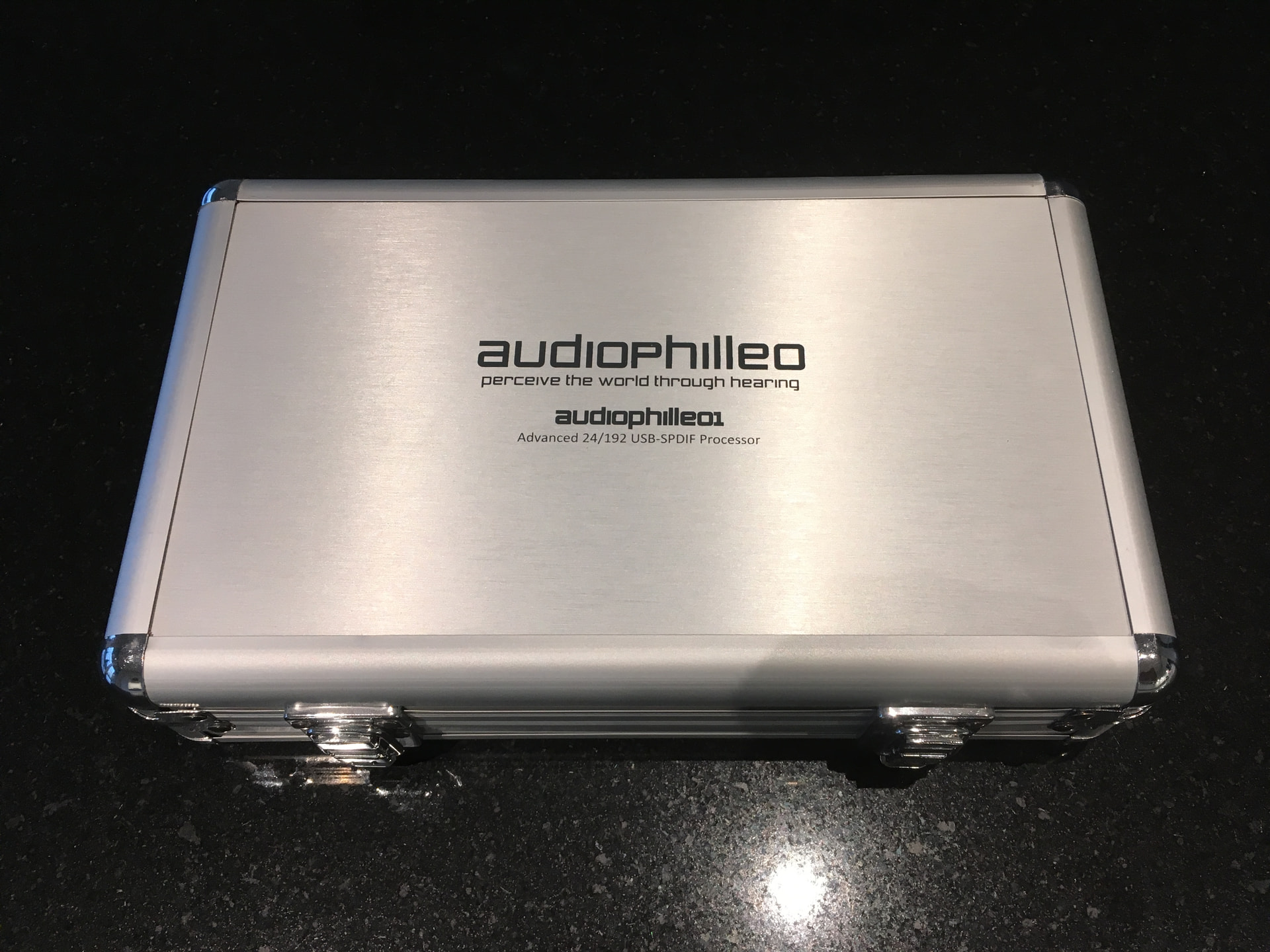
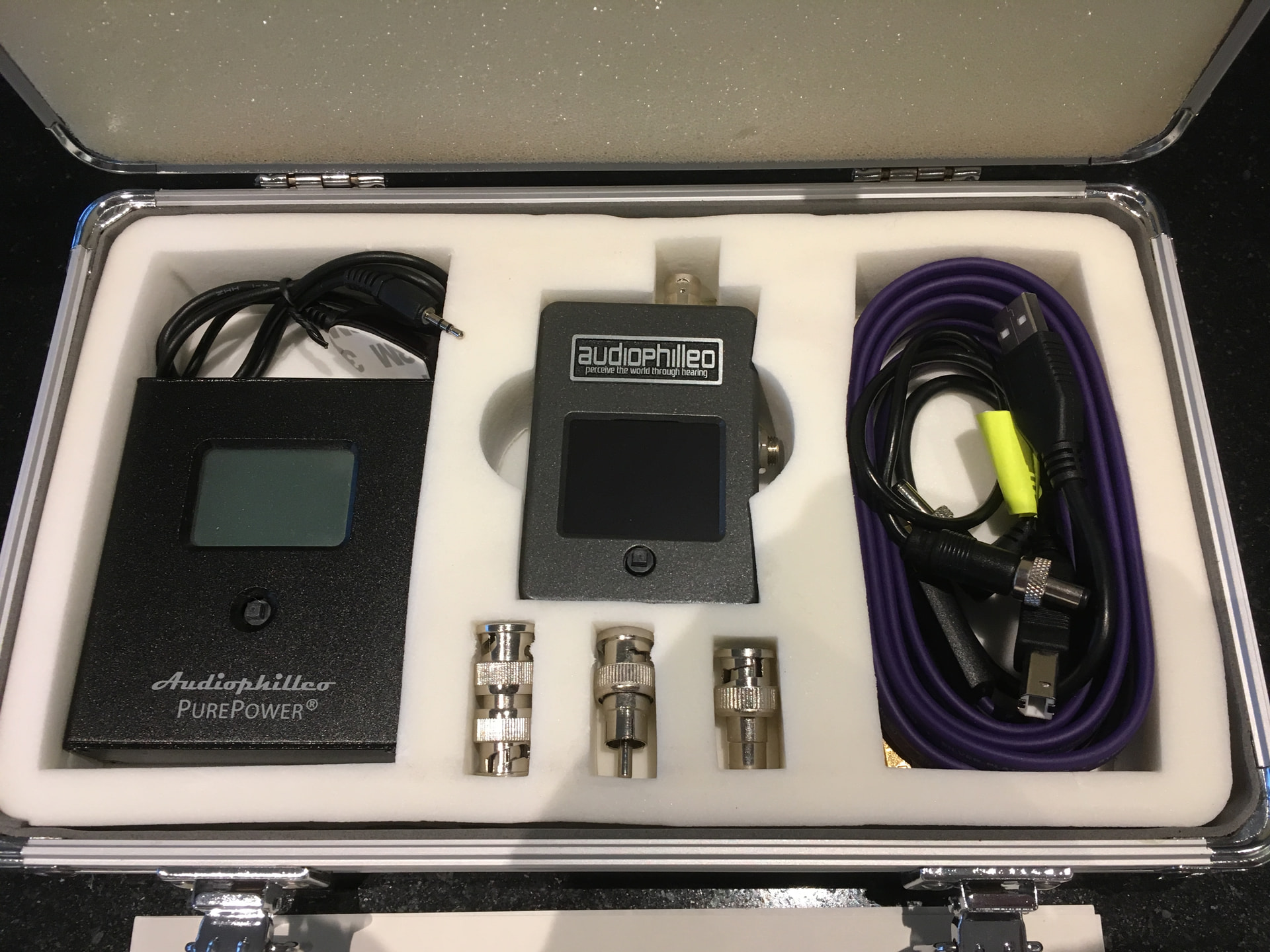
Connect the iPhone to your DAC using an Audiophilleo 1 MkII + Audiophilleo PurePower.
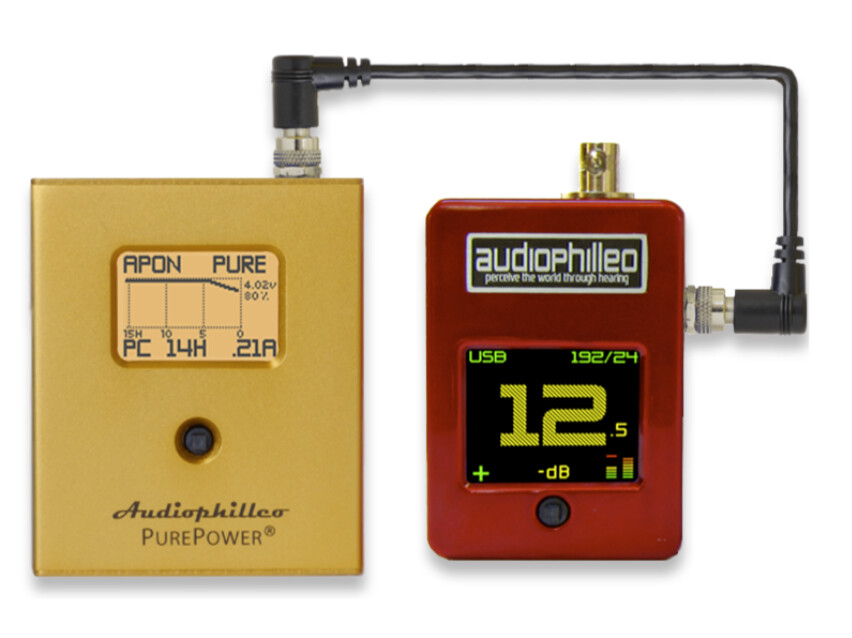
Both the iPhone and the Audiophilleo run on batteries, and that makes all the difference.
I used this setup with a Naim nDAC to access my Roon server.
It was genuinely good !!! 
The downside is that you do need to know what you’re doing.
Cheers,
Thomas
EDIT :
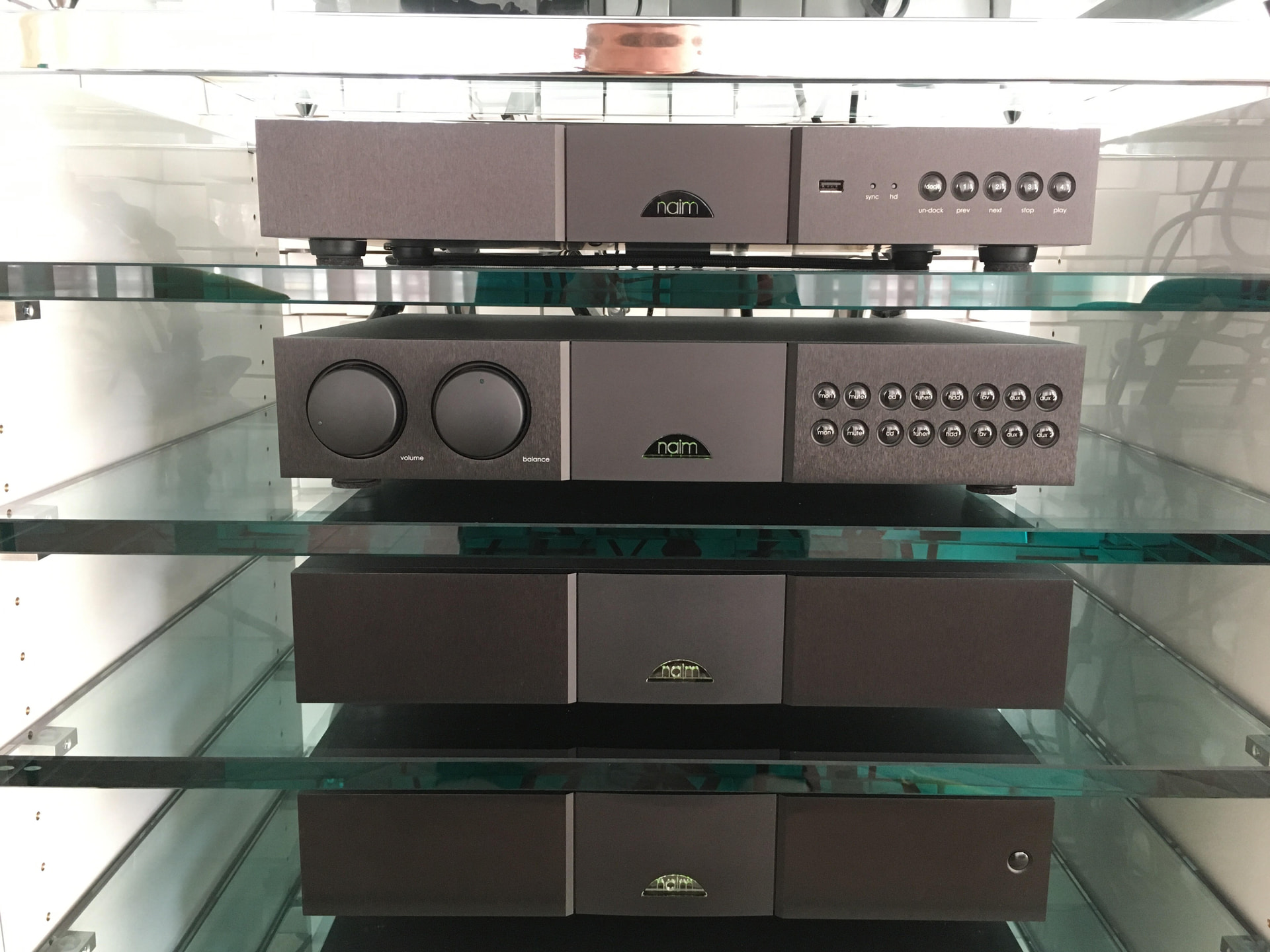
I couldn’t find a picture of my setup.
My system at the time was :
- nDAC + 555DR
- 252DR/300DR
6 Likes
This is so incredibly useful @Amarok . I’ve just done another A/B test with my Apple MacBook Air this time with Audirvana vs the ND5XS2. I tried it both through the ATC 11’s via the P1 amp and via headphones (Grado 325x) through the chord Hugo TT2 and then again through the ATC’s. The difference was almost impossible to tell. In truth if I did a blind A/B test I’m not convinced I’d be able tell what the source was. If anything the ND5 was a little softer on the top end. But really it was splitting a micron sized hair ! So it’s alll about maximising my laptop / router to reduce any electrical noise from either. ND5 will now go back where it makes the most difference - in my AV home cinema set up. Thank you all for your input. I have learned a lot - as I hoped to .

2 Likes
I built my own dedicated PC for music back in the day for streaming and the one thing you don’t want is microsoft updating things in the background. You need to control and minimise what is running in the background to reduce noise. Linear power supplies running the PC make it sound a whole lot better than a regular computer quality SMPS. You also don’t really want networking as it is audibly poor compared to using a soundcard direct to your preamp. In the end I needed to go well up the Melco hierarchy (N10/2) to significantly better it.
2 Likes
Yes, they are worth every penny…
Love the exposure to so much music at my fingertips and have been able to experience music from around the world which I may never have had easy access to if depending on CD’s or Vinyl alone.
1 Like
I prefer having the streamer as a separate box. I’ve tried different interfacing to the DAC but in the end a good 110ohm AES/EBU and no upsampling is what I prefer. Use a good cable, I’ve liked DH Labs and now run an expensive Jorma. I also like using fiber from the switch to the streamer but it was much experimenting to get it right and depended on which streamer and switch being used.
In the past, I used my Windows laptop in my office system as a streamer into a NAD DAC/amplifier. Using Windows is challenging, to say the least. Which driver to use (WASAPI, ASIO etc.), use exclusive mode or not, unable to bypass the Windows ‘mixer’ etc. Replaced it by a Bluesound Node Icon and never looked back.
Actually did the same thing to my headphone system. I used a MacBook Air into a Burson DAC/amplifier. Replaced with a Bluesound Node N130 (using the Burson DAC) that was sitting on a shelve unused. Should have done that much earlier.
1 Like
Desktop/office system - by all means use a well set up dedicated PC. Looks aren’t relevant. With a good DAC and nearfield listening the results can be superb.
Living room - dedicated streamer every time. The results are next level.
2 Likes
Do you think that my set up (given I use Audirvāna on a Linux laptop) would benefit from a separate streamer? So Audirvāna laptop → dedicated streamer → ND5 XS 2 ?
Given that you use an ND5 XS2 and not a standalone DAC, is Audirvana or a streaming transport needed at all?
Why not just run Asset or Minimserver on your NAS for any local files and let the ND5 manage everything else?
Well, that’s the whole point. With Audirvāna the sound quality (at least to my ears) is simply better then for example with Qobuz Connect or the native Naim app and also with local files played directly by the ND5. If that wasn’t the case I would would have said goodbye to Audirvāna real quick. And that lift in SQ is confirmed by quite a lot of Audirvāna users.
The software has it quirks, the UPnP implementation is not as stable as Roon, but that level of SQ that one can achieve is just great. Therefore lots of users accept the quirks and make adjustments to get optimal stability (in my case ethernet cables and a quite basic set up of Audirvāna that doesn’t demand too much of the old laptop).
So in my case the starting point is with Audirvāna.
From that point I’m curious wether or not the implementation if a dedicated streamer between the laptop and the ND5 could be beneficial. I guess I just have to try.
Maybe a stupid question: I regularly read that people like the sound when using Audirvana. Is that because Audirvana applies some digital signal processing to adjust sound to personal preference? It’s not a bit-perfect stream?