I’m using LocalFocal.
Helps me knowing where things are in the general vicinity.
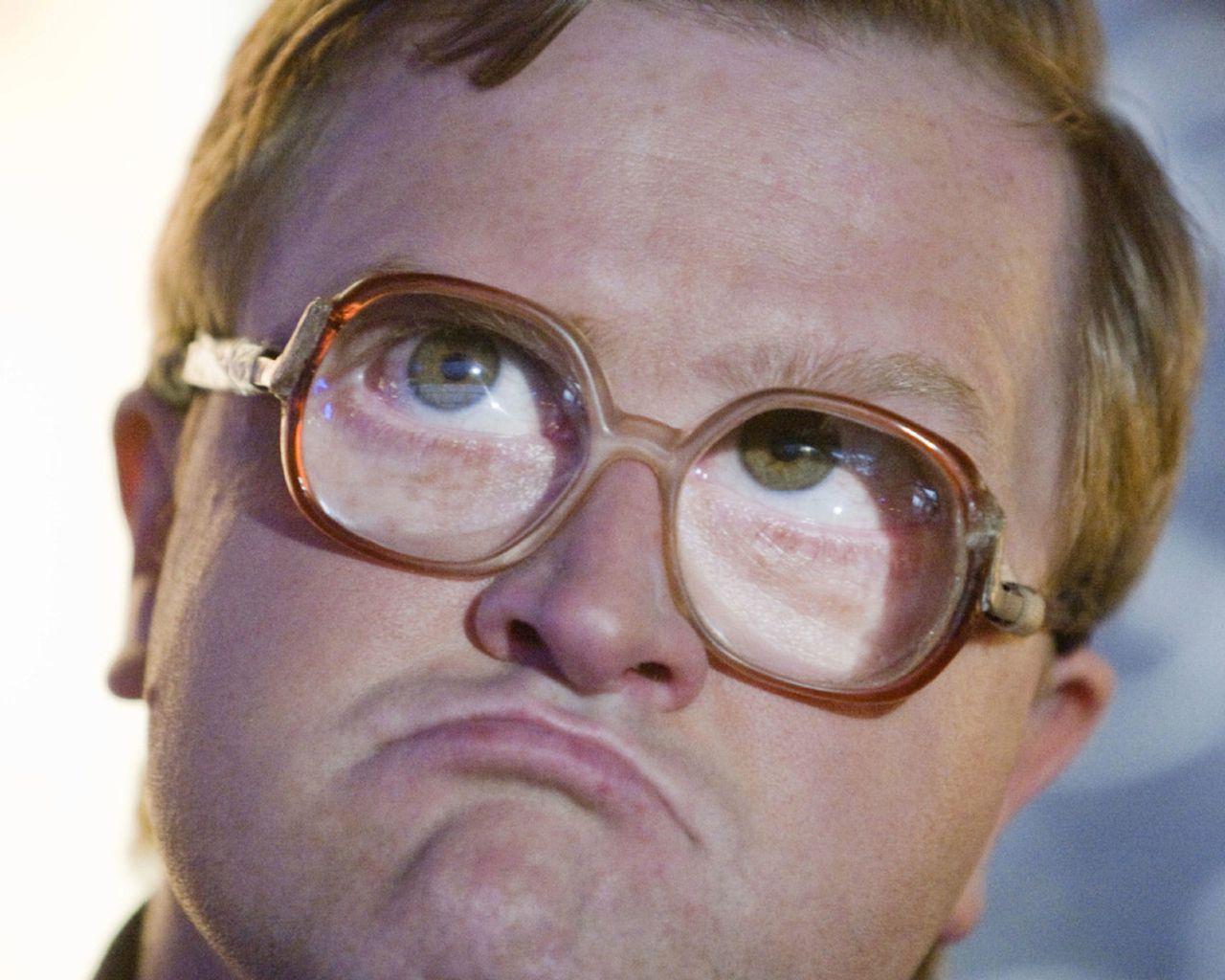
Bubbles in his most pensive pose …
Totally agree
I always go to an independent optician as opposed to a national chain.
It is vital that they are made and fitted perfectly so that the optical centers are spot on. No chain store will do this.
I think they took longer to order the correct frame/glass orientation etc than the actual eye test.
4 Likes
Hmm - occupational lenses sound interesting. I might try them.
One problem I have with varifocal lenses (and some reading glasses) is when working with wood in the workshop. Varifocals particularly bend wood quite noticeably, so when you are trying to plane a piece of wood to be flat and straight, it is very hard to do. Yes, I know you need to use a straight-edge to get it completely right, but with varifocals it’s impossible to work the wood properly.
Similarly with getting things (like pictures, shelves, mirrors) horizontal. I can see whether something is horizontal (or vertical) very accurately by eye - but with varifocals it’s hopeless.
2 Likes
I got varifocals for the first time last year, they were a revelation and almost completely removed the problem I had going from documents to computer screen and beyond
It sounds rather as though you should try some different varifocals and / or a different optician. Mine certainly don’t have that problem.
1 Like
I agree with HH @Beachcomber . I’ve used varifocals for years with no problem. The first lenses I had were a more ‘economy’ model and so the transition and field of accurate focus was not so great. After scratching them I decided to replace with superior lenses and they were far…superior.
G
I think the answer to the OP’s question is that it depends on what your prescription is, and also the primary environment you’re going to use them in. I have vari’s and would record:
1- If you are long-sighted (as I am), reading means having to use the bottom of the lenses and making sure everything is roughly below chin height.
2- vari’s are, in general, narrower focus that ordinary glasses, so you have to shift your head to retain focus. It become automatic to many (not all) and if you try and look through the sides, images can bend (as others have observed).
3- be mindful where your TV is mounted and which bit of the lenses you would be using in your normal head position. My TV is mounted high to fit my long-sightedness. If you don’t marry correctly, then I suspect headaches could follow, as your eyes hunt for focus.
4- driving - I was initially worried but again, it’s all about head movement and being mindful of the slight trim (in my case) of peripheral vision.
I can understand the issues with stairs and vertical focus needs which many report.
Some of the providers let you trial vari’s (or did at one stage).
I have a pair of prescription readers for reading and when working with desktop computer or laptop and a pair of prescription varifocals for driving, walking around and watching tv. I tried working with varifocals full-time when I first started wearing glasses but working with/on desktop computers with multiple screens the majority of the time I ended up with neck aches from all the head movement. So went with the best tool for each job since one pair of glasses could not meet my needs.
Different strokes for different folks…
1 Like

I have been wearing Varifoical Glasses, for many years now. They work well, for me.
I have no other Glasses… 
My wife has tried varifocals twice now, a few years apart. Tried for longer the second time taking advantage of a period of leave of absence from work. She couldn’t get on with them at all. In fact, for work they were a real safety risk - she’s a chef, and any poor focus where knives are concerned is a real no-no. Ditto picking up hot objects etc. Her need is small print especially in poor light, and being short-sighted the simple solution has been to take off her normal glasses when necessary. However that didn’t work for everything, so she got herself a second pair of specs, not full reading strength, but in between, so no good for distance viewing (e.g. driving), nor the worst small print, but perfect for general near tasks, and suited work where reading of food product labels etc was becoming difficult. She sometimes pinches my off-the shelf £3 reading glasses (I rarely use), and puts them on top of her specs!
Looking into it I think vaifocals did not work for her because she wears glasses with small lenses (the almost invisible Silhouette frameless ones, with lenses no more than about 35mm wide and 20mm high) - possibly larger lenses would work better, with a larger transition area. Incidentally, when I looked more into it, it seems that with varifocals peripheral vision may be significantly poorer than with single-vision lenses, which to me makes them suspect for driving - maybe people with positive experience could comment - and also clarify whether their lenses are small, medium or large.
I think it does depend on the prescription. I have had them for a number of years, but not without issues. The height of the lens change is critical. I was getting a lot of upper back problems after switching to varifocals. My osteopath worked out I was continually nodding forward to look over the close up section. My originals were supplied by a national chain. A trip to a different (independent) optician who at first did not believe the diagnosis but went with it, got me a new layout that resolved the issue. I would also recommend going for the best lenses you can afford. The more expensive tend to have a smoother transition. I still find that I am happier reading a book with no glasses on though.
I would qualify this, by saying that mine have almost always been done by an Optician - rather than a High Street outlet… I think I did try one of those once, and the results were not as good… They are not a cheap option, if done properly.
My previous Optician (now retired), commented that he noticed that the vision of people moving to Varifocals actually improved. Mine did - as measured by my Prescription. He could not explain why this was, but said he had seen this effect often.
YMMV…
Yes, you need a decent amount of height for the various areas to work. 20mm is very little and I’m surprised the optician even considered it viable.
I have varifocals and have for years.
I also have thinner lenses thinned and go for an upgrade that makes the reading element larger. Only one fully functioning eye (straight ahead).
A good independent optician is for me the way to go.
The only time I have an issue is very close quarter work in a tight space. Ideally specs dedicated to that situation would be better, but it’d be an extravagance given how often that happens.
I’ve had two experiences where the varifocals weren’t right. The first the shop specified the wrong lens and the second didn’t do upgraded lenses (cheap fashion specs chain). In both cases they sorted the issue out. One by upgrading the lenses and the second refunding the total cost. Most opticians I’ve used do a 30 day trial.
1 Like
I cannot remember how long I have been wearing varifocals. Cannot manage without them. We went through a period where DSE at work included provision of specs. I was partly lucky that my prescription covered them rather than screen distance only lenses. The unlucky was that the contract changed every two years and went through independents, affiliates and Specsavers. I never got on with any of them, narrow field of vision, concentrates on screen distance and ended up going back to Boots. Their wide angle lenses come from Essilor and I have no problem with woodworking, painting, photography, using kitchen knives. The downstairs thing I was warned about, takes about 48 hours to adjust. Boots have always advised me start wearing new prescriptions when getting up for the day.
I tried varifocal contacts, brilliant, except that they tended to dry out in an office enviroment or car aircon.
I finally stopped using DSE opticians when for budget reasons they went to separate frames and lenses for screen, reading and general use. Yes, three pairs, one to recognise the customer coming through the door 100 feet away, one pair to work with a screen that is being shared with the customer so is about 5 feet away and one for reading at less than arms length. The lenses were basic, no special refractive index for thinning.
I can only think of two problems, people who insist on having TV screens above head height and trying to read the bottom shelf in shops. Why, oh why do charity shops insist on putting CDs and LPs on the bottom shelf when the purchasing demographic is old men with failing sight and arthritic knees?
2 Likes
Possibly, though for the moment the solution I use (half-moon reading glasses plus distance glasses) works well enough.
PS I use Kodak lenses now but not sure what my first couple of pairs were.