Indeed - it’s original meaning is very specific - to become aware of societal injustice, particularly racial injustice. And that is a good thing. However, as is so often the case, the term gets hijacked by various different groups and used for their own ends
1 Like
It’s funny what you said earlier about ‘diss’. My earliest recollection is from listening to hip hop/rap music in the mid to late 80’s. I’d always assumed it came from the hip hop scene but sounds like it came before that.
That would fit with it making its way into hip-hop by mid-80’s
Perhaps it was popularised by it, despite it originating from elsewhere.
Hip hop seems to be responsible for popularising quite a lot of slang.
(apologies for late reply)
If he gets on with Eats, Shoots & Leaves, the classic guide to get him next is Fowler’s Dictionary of Modern English Usage. Full of fascinating and useful information, including more confirmation that splitting an infinitive is not the grammatical solecism that some think.
Mark
1 Like
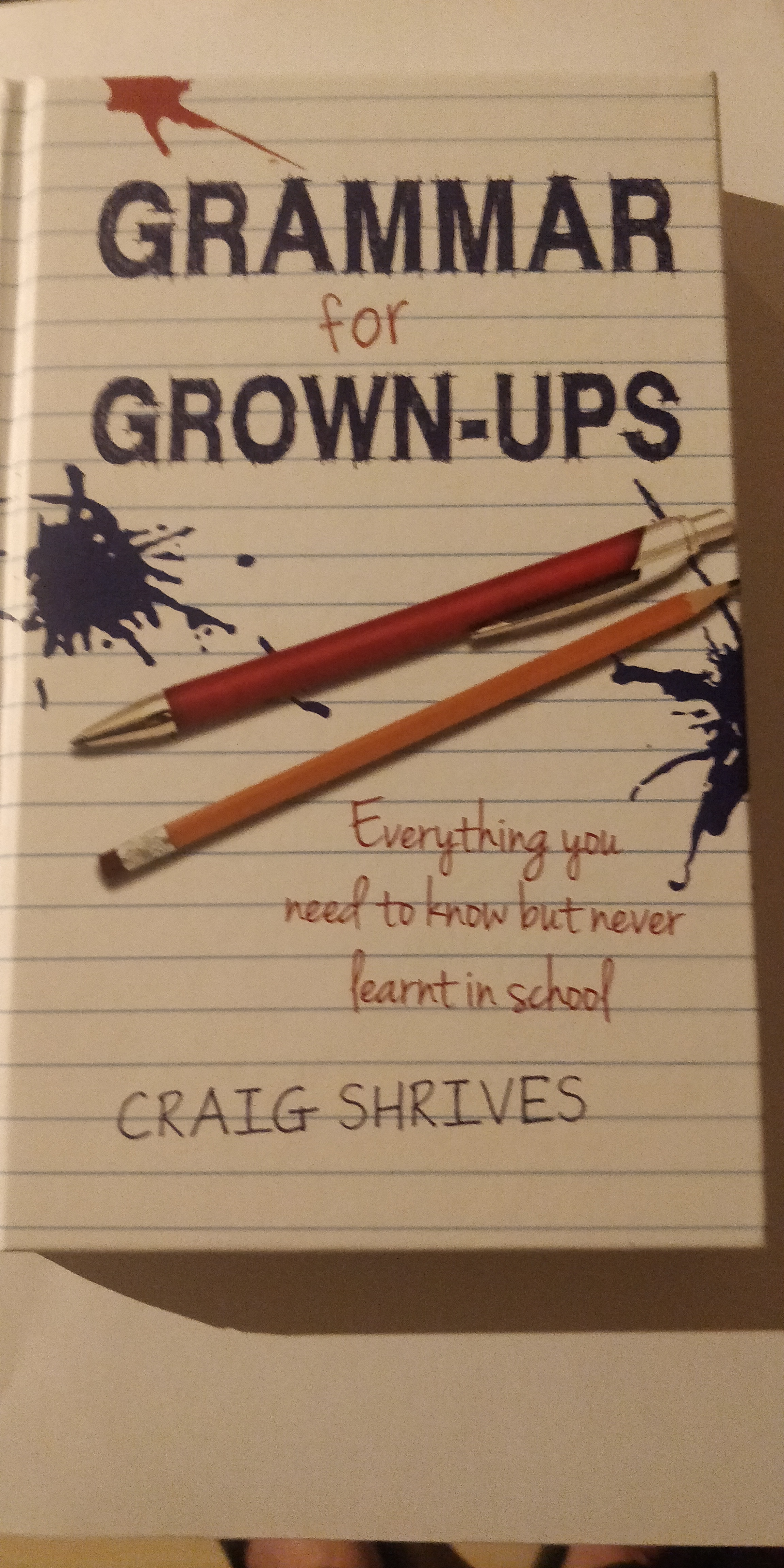
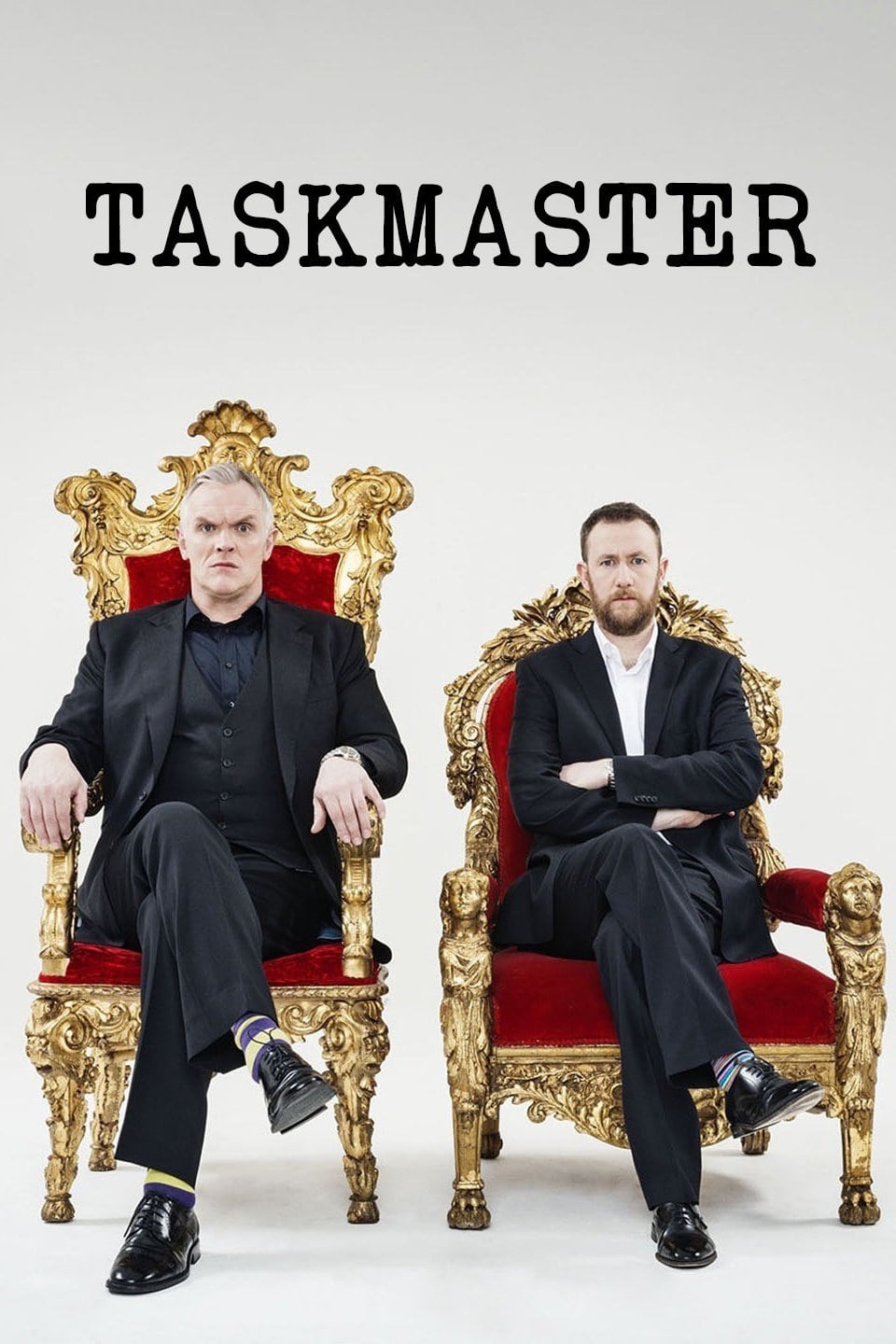
I have been putting off watching this as I think I will get annoyed at the wrong pronunciation of its title.
Surely you aren’t referring to the modern southern pronunciation of ‘Tarskmarster’, as opposed to the historically correct version with short As, as Shakespeare, for example, would have said it?
Mark
Experts don’t agree from all accounts of what he actually looked like, let alone how he spoke.
Well, you’re half right - in fact, there is a large consensus on how English was very likely pronounced in various historical periods over many centuries. Look up Early Modern English pronunciation, Shakespeare in Original Pronunciation and the Great Vowel Shift for starters.
If that gets a bit heavy going, one good but simple piece of evidence is that US English preserves many features of Elizabethan English that have changed in England since the 1600s - that’s why Americans retain shorter As, as well as whole words such as ‘gotten’ which used to be standard British English in the days of the Mayflower.
Here’s a good summary of the pronunciation issue: https://www.bl.uk/british-accents-and-dialects/articles/regional-voices-the-north-south-divide
Mark
1 Like
Surely those BBC 1950s newsreel reports with projected pronunciation weren’t wrong ?
Pronunciation was at the time a big leverage within class mobility. If folk talked the same they could reach the same.
It depends what you mean by ‘wrong’. Was it accepted correct pronunciation in 1950s Britain? Yes, of course. Was it the pronunciation used by all Britons from the Anglo-Saxon invasion until the 1600s? No.
I’m simply pointing out that the assumption of many southern British English speakers that their pronunciation is unquestionably correct (and that the pronunciation of other speakers, myself included, is clearly wrong) does not have any historical backing. Long A pronunciation is simply a Kentish yokel dialect that, for some unaccountable reason, became wildly fashionable in 17th century London and stuck.
Us Northerners, as well as our American cousins, have simply carried on with the short As that Shakespeare, Chaucer, Monarchs and many more used for centuries.
Mark
5 Likes
Thankyou. A few interesting points I can look into further.
The long ‘a’ is common among we Cornish and Devon yokels - and has been for a long time.
Headline on the BBC today: ‘Slight Covid uptick in school aged children’
Grrrr!
3 Likes
What on earth is that supposed to say?!
I see that Auntie has since altered their headline, disposing of the apostrophe “s”.
Still, “uptick” … one of today’s trendy invented words which I find somewhat annoying.
Mr. Grumpy. 
2 Likes
The opposite of a downtock
3 Likes
How about "problematised"and "bigging up "
This topic was automatically closed 60 days after the last reply. New replies are no longer allowed.