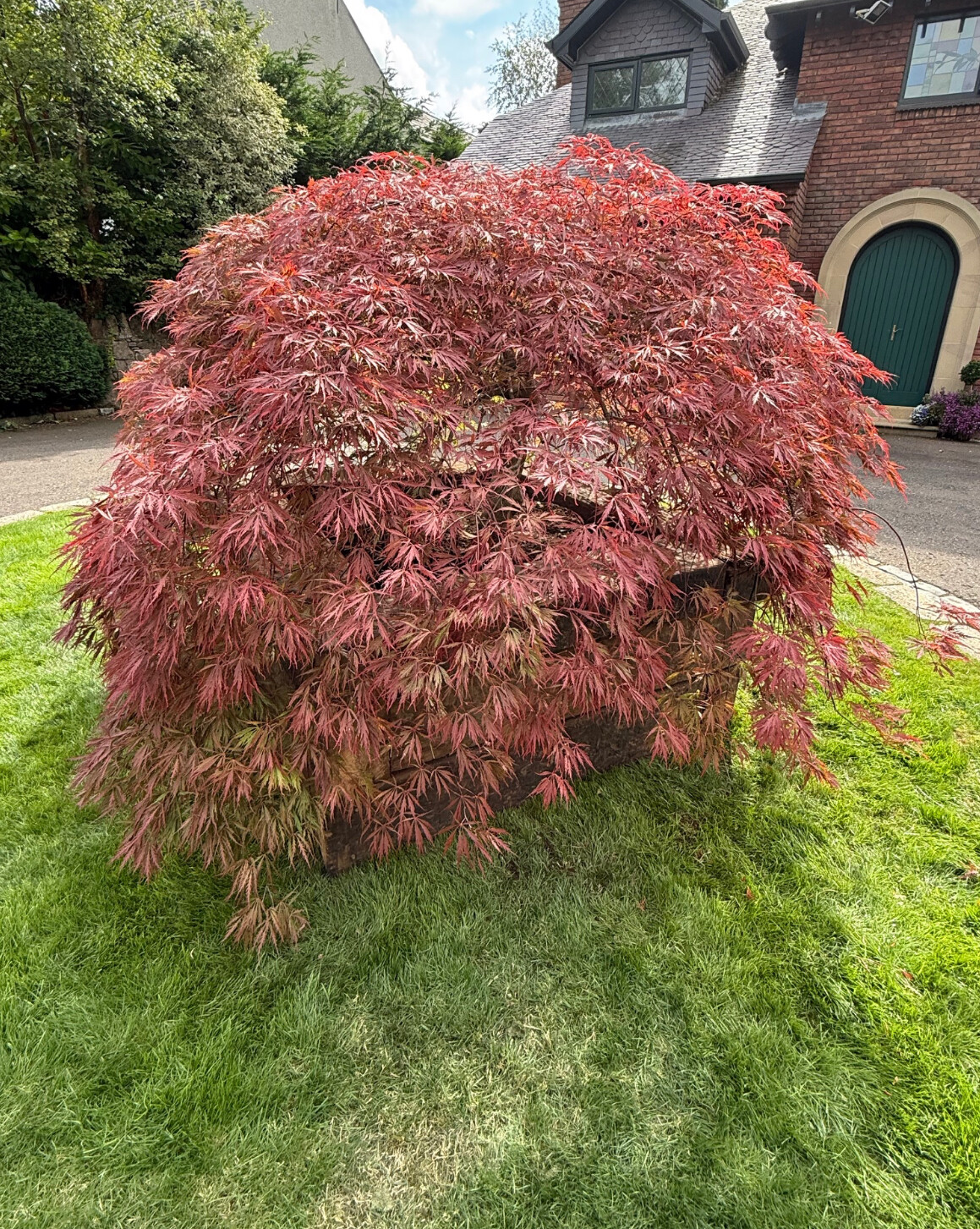
Roughly a month ago, I managed to acquire quite a mature Acer to plant in an area which was originally occupied by a very large Acer tree. Much smaller scale than the original, I had a planter box built out of recycled hardwood railway sleepers and I was very pleased with how well the Acer seems to have fitted. Fingers crossed there are no complications with location and settling in.
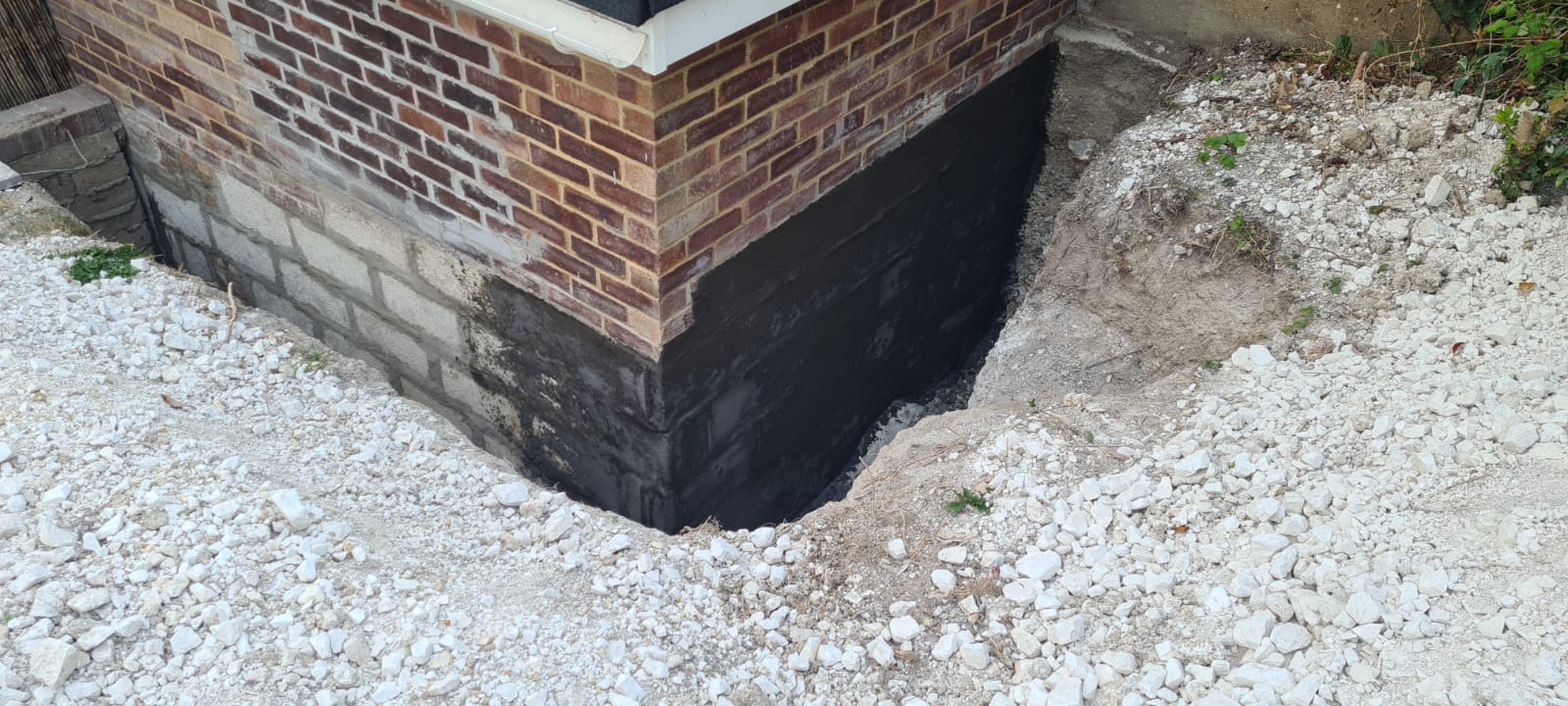
Really looking forward to being done with the groundwork stuff and making water not come in where it isn’t really wanted - this thread is great inspiration for when my garden looks less like The Maginot Line…
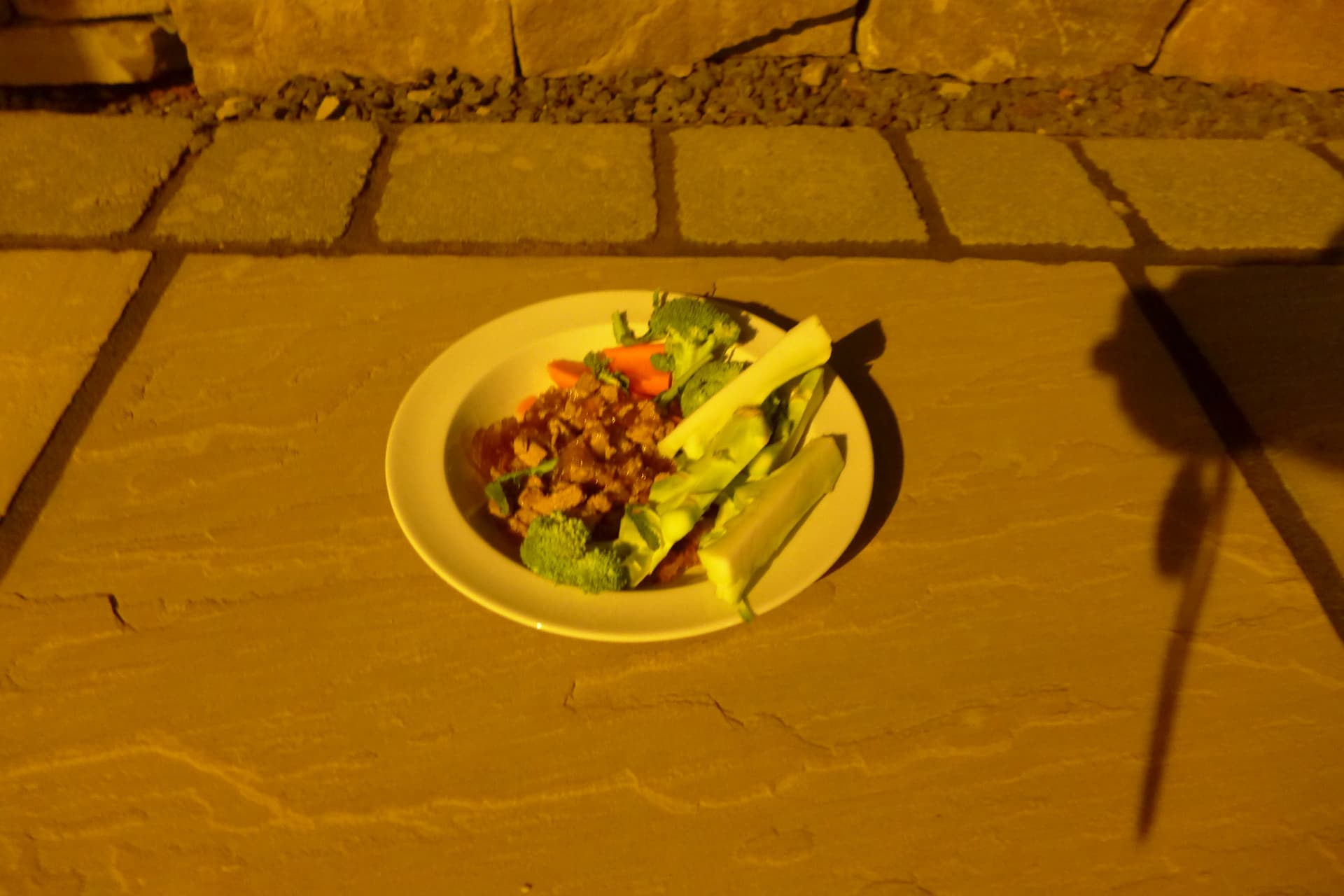
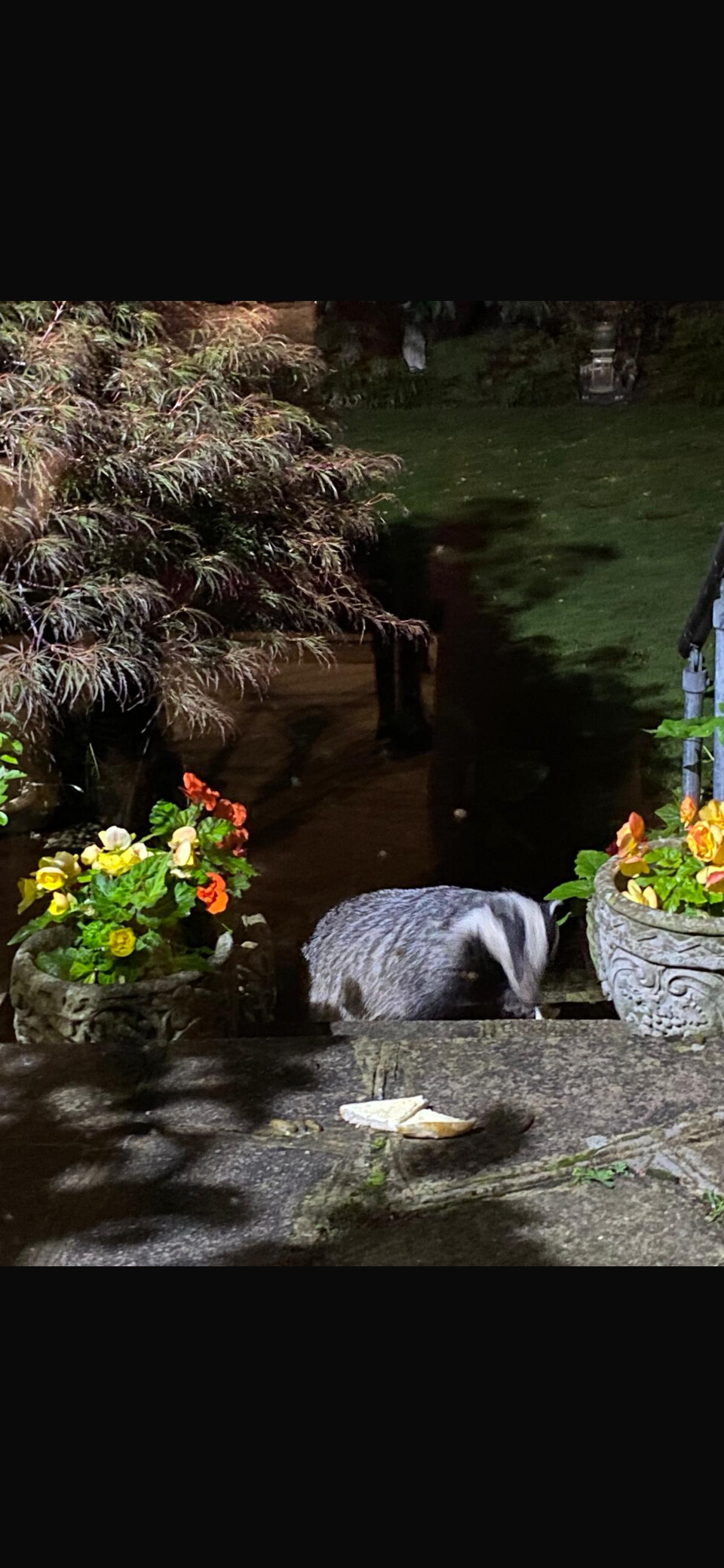
Banquet for a badger.
As it happened he only troffed the cat food, must be a juvenile badger refusing to eat his greens.
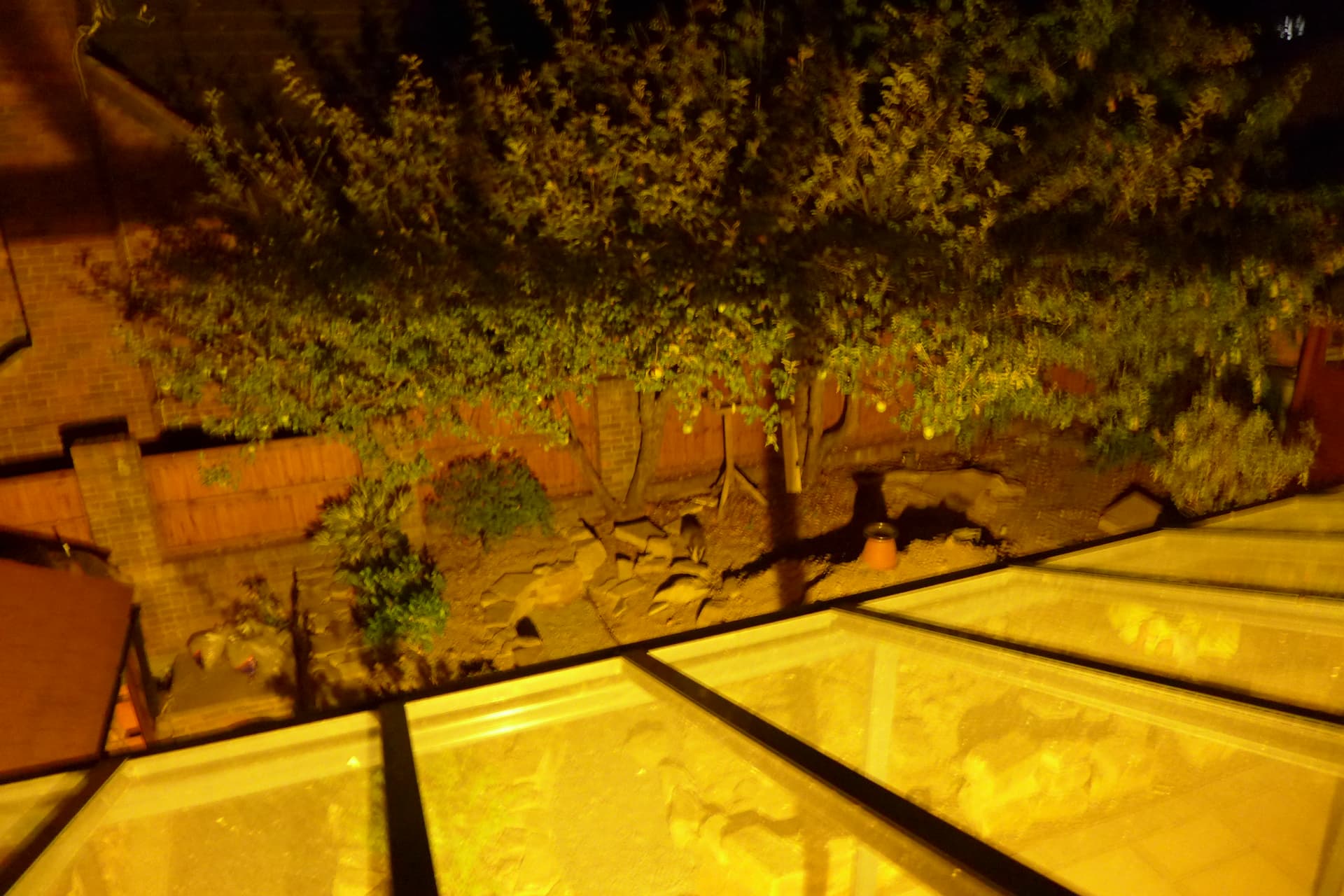
When he visited, usually around midnight, he would spend a lot of time with his nose in the earth digging up worms. I’d quietly open the door and step outside with a dish of whiskas chucks in jelly. He would hear and see me on the scene and panic, run down the steps and hide around the back of the woodshed, and hide out there for ages.
I very quickly put the dish of food down in a place where he would pass it sooner or later, and quietly go back indoors.
He visited here every night for about three weeks, but no sightings since last weekend so this rainy weather must have changed his dining venue.
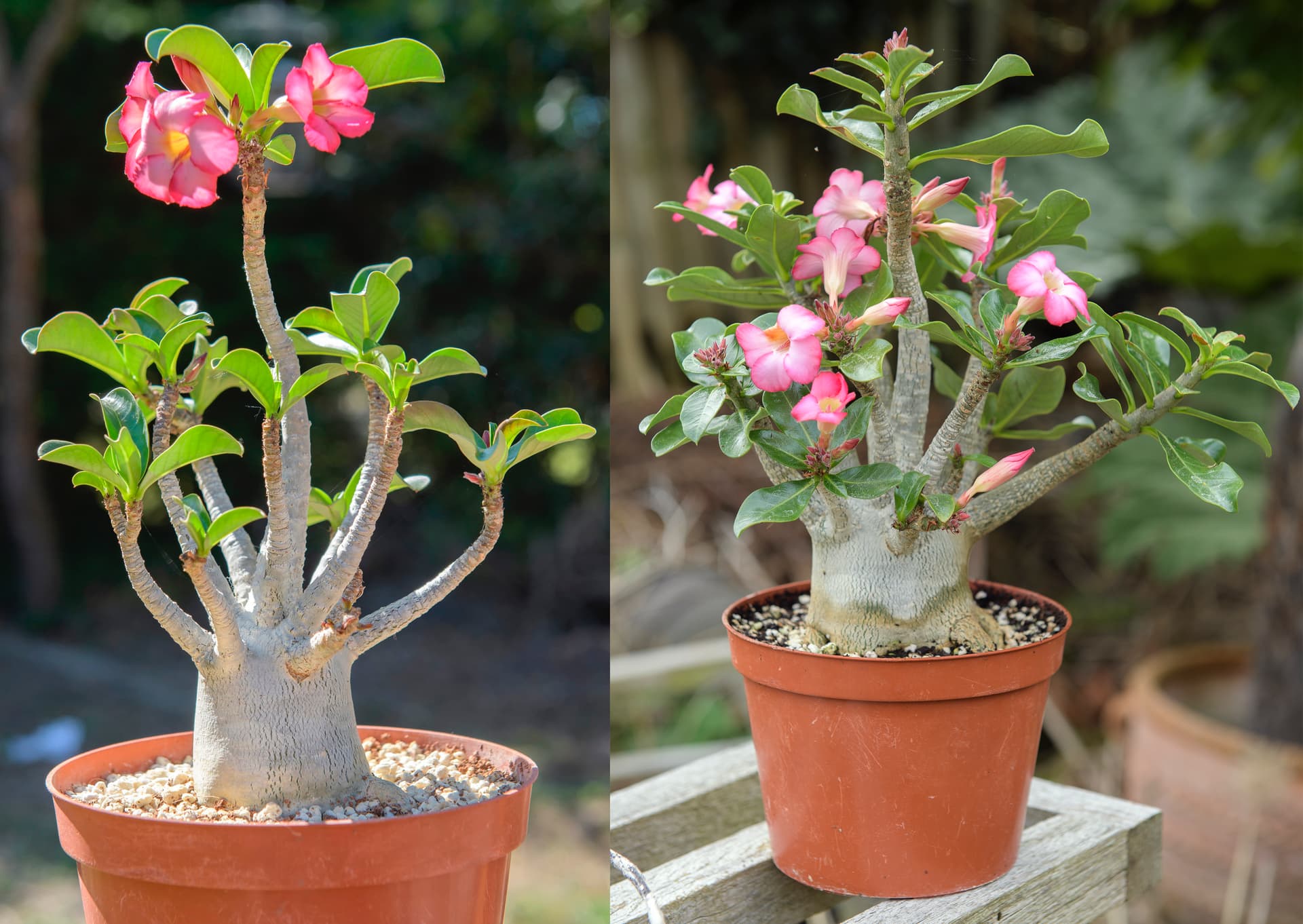
4 months growth for this adenium. Its increase in width has surprised me and looking at the right branch (taken from same angle) who’d have thought it would straighten out. For a stiff succulent, I would have expected once the shape is set, it would continue in the same direction.
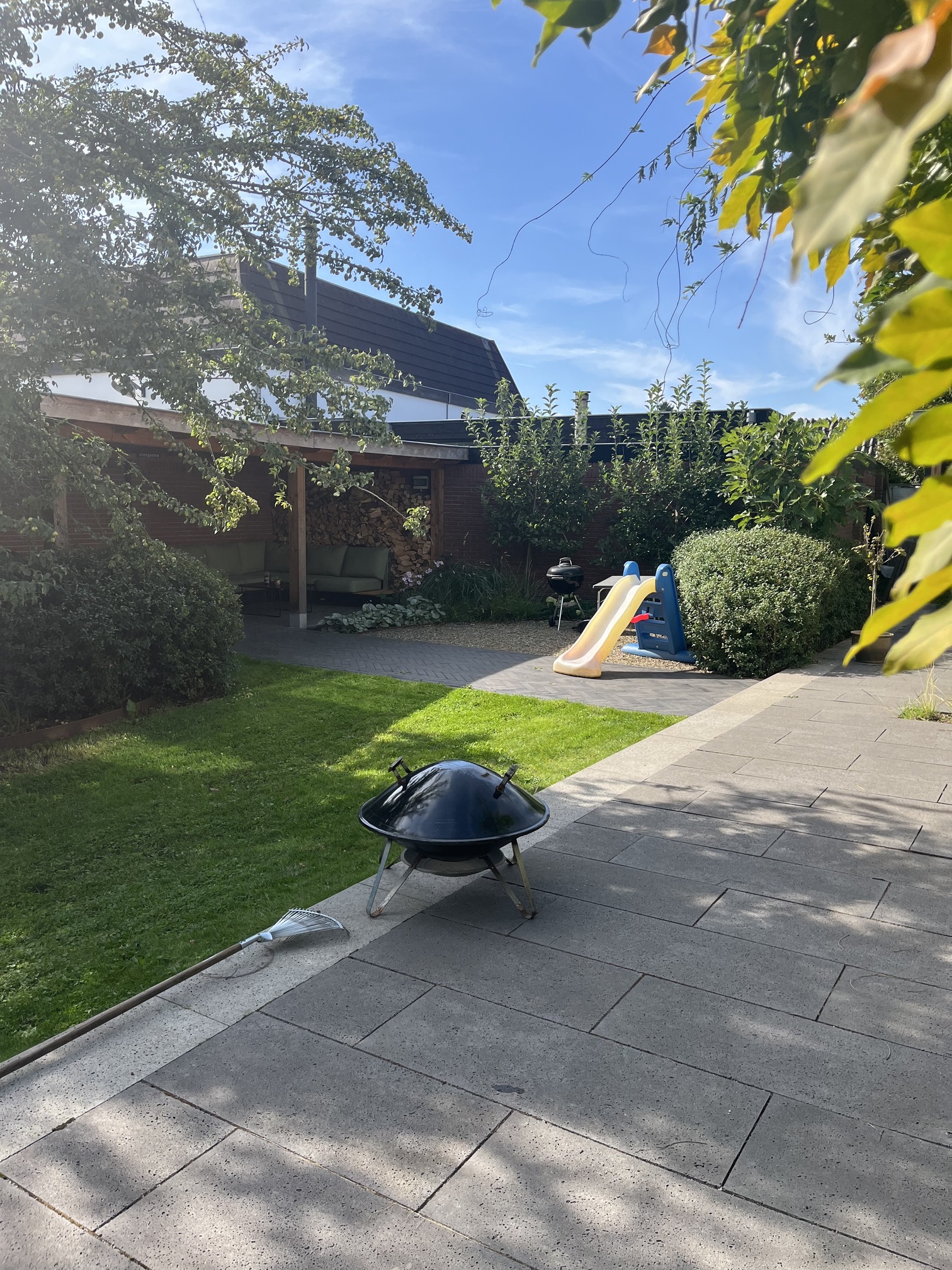
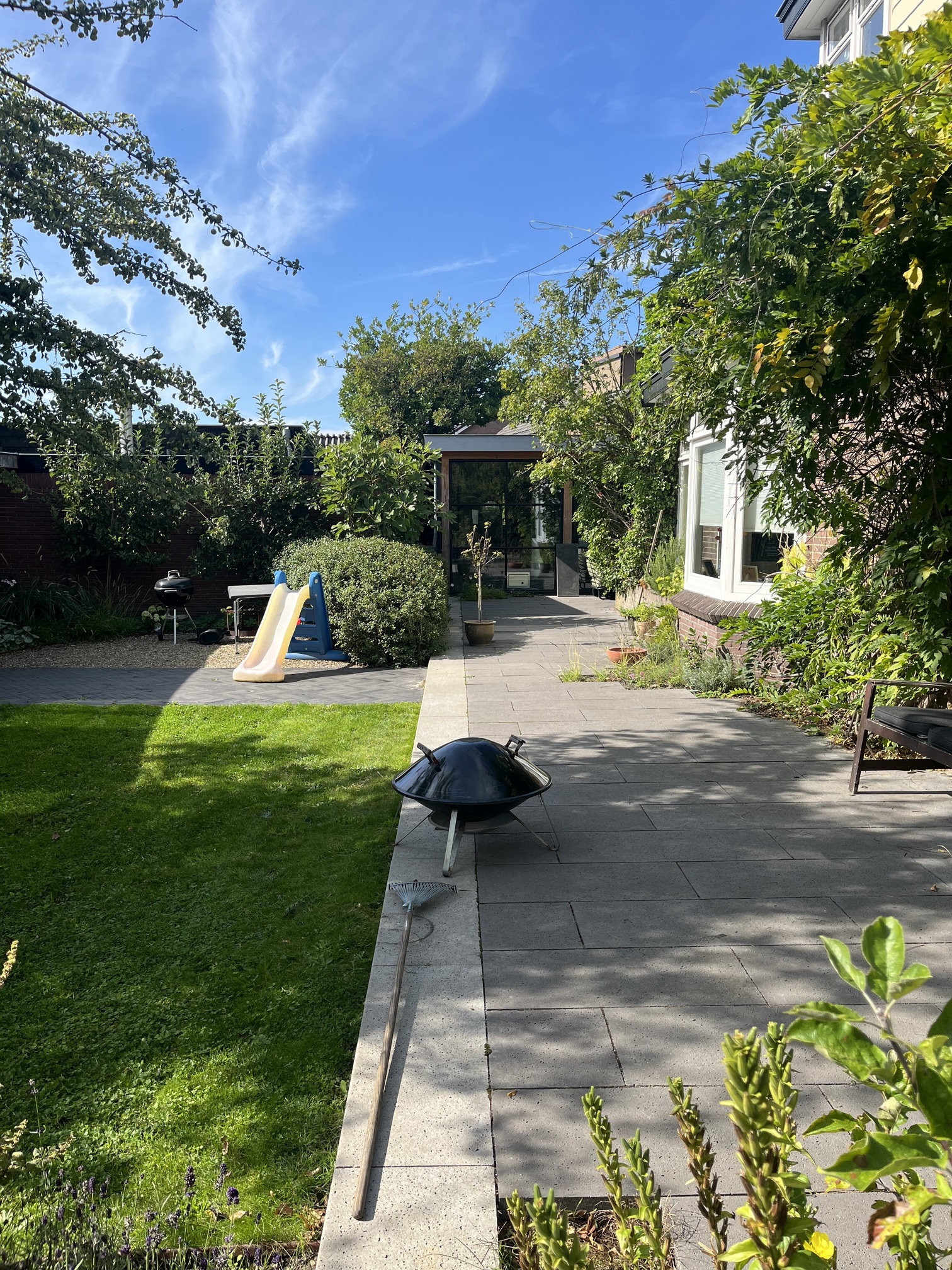
Do you mean that it gets waterlogged? If so, improving aeration may help, either with a regular garden fork, or better with a proper lawn aerator.
If the soil is compacted at a deeper level there’s little you can do without excavating to install drainage, but aeration may help. Earthworms are good too, try to encourage them as they can dig quite deep.
Sand can help too. You can buy ‘lawn sand’ but this has inorganic additives, usually iron sulphate, so personally I would avoid it and use regular sand from a builder’s merchant.
Thanks Chris. I think I’ll do what you suggest and use a garden fork starting this winter. My gardener thinks there is a clay layer deeper into the ground, but up to 3 years ago I did not have a problem. Last 2 years were very wet and it remained wet since. I’m even considering replacing the grass by other vegetation. But for next season I’ll go for the aeration option.
Similar climate conditions to UK then. This spring I hired from a local hire centre a petrol powered aerator machine. Quite a brutal device which punches numerous hollow pins into the ground and spits the earth plugs out. Depending on the area of lawn, it did not cost much and I believe much more effective than using a garden fork.
In addition to this, I have a petrol powered scarifier which essentially rips the thatch layer out of the ground. This creates narrow grooves/ channels in the soil and allows the grass more room to ‘breath’/ thrive.
With ground prone to water logging, following the aerator, it can be very helpful to have a local nursery make up sandy loam - a mixture of topsoil and sand. After removing the plugs and thatch… Spread this over the aerated lawn and the cylindrical holes punched into the soil should receive the sandy material. To help encourage the sandy material into the holes, you can use a rake or brush to work the loam in. I have a thing called a lute which is ideal for this process.
I would also take the opportunity to spread grass seed over the lawn to help increase the health of the lawn - do this before dressing with the sandy loam.
It’s all quite an arduous process and from bitter experience, made much easier and more successful to undertake when the weather is dry. Trying to clear wet debris off the lawn is a bit of a nightmare! This is the perfect time of year whilst the soil is still relatively warm to encourage seed germination. Otherwise late spring when risk of ground frost recedes.
No guarantee this will work but short of introducing a formal drainage system it should offer you a good possibility of improving your current lawn health and ability to cope with rainwater.
Similar to what ChrisSU has suggested and from his other observation re extent of paved area and your confirmation of surface water run off may prove too large a challenge for what I have suggested. We seem to be getting heavier and heavier downpours these days.
So you might end up with a pond instead of a lawn if the water has nowhere else to go! If the ground is compacted under the paving it may need a drain under it to allow water from the lawn to escape.
I agree that aeration might well help. In my experience over several years, a motorised aerator is much more effective than a garden fork. While the fork might provide a good workout for you, it is very much slower than a powered aerator. For a small area, say just a few square metres, a fork might be adequate but I have never found it to be very effective. Others may be stronger, fitter and more patient than me and may have had good results!
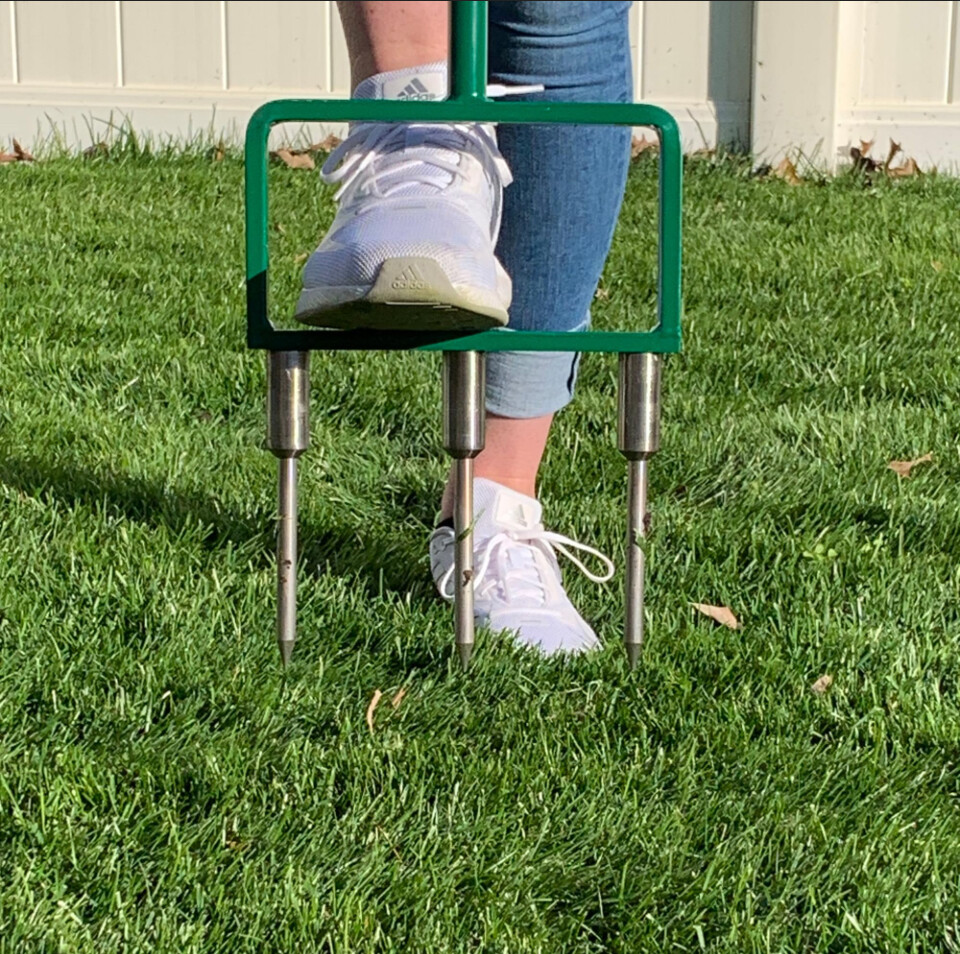
I was thinking of a simple aerator like this rather than a motorised one. The real advantage over a fork is that they remove a thin cylinder of turf to create a hole, whereas a fork pushes the soil apart, slightly compacting the surrounding soil.
We had the same issue in the last house we lived in. In the wettest part of the lawn I dug a few small pits and broke through the clay layer, back filled with rocks and rubble to form soak aways.
The water then flows along the clay layer and drains away through the soak away.
It’s worth a try in your garden too.
The aeration system probably won’t be going deep enough to make a great difference.
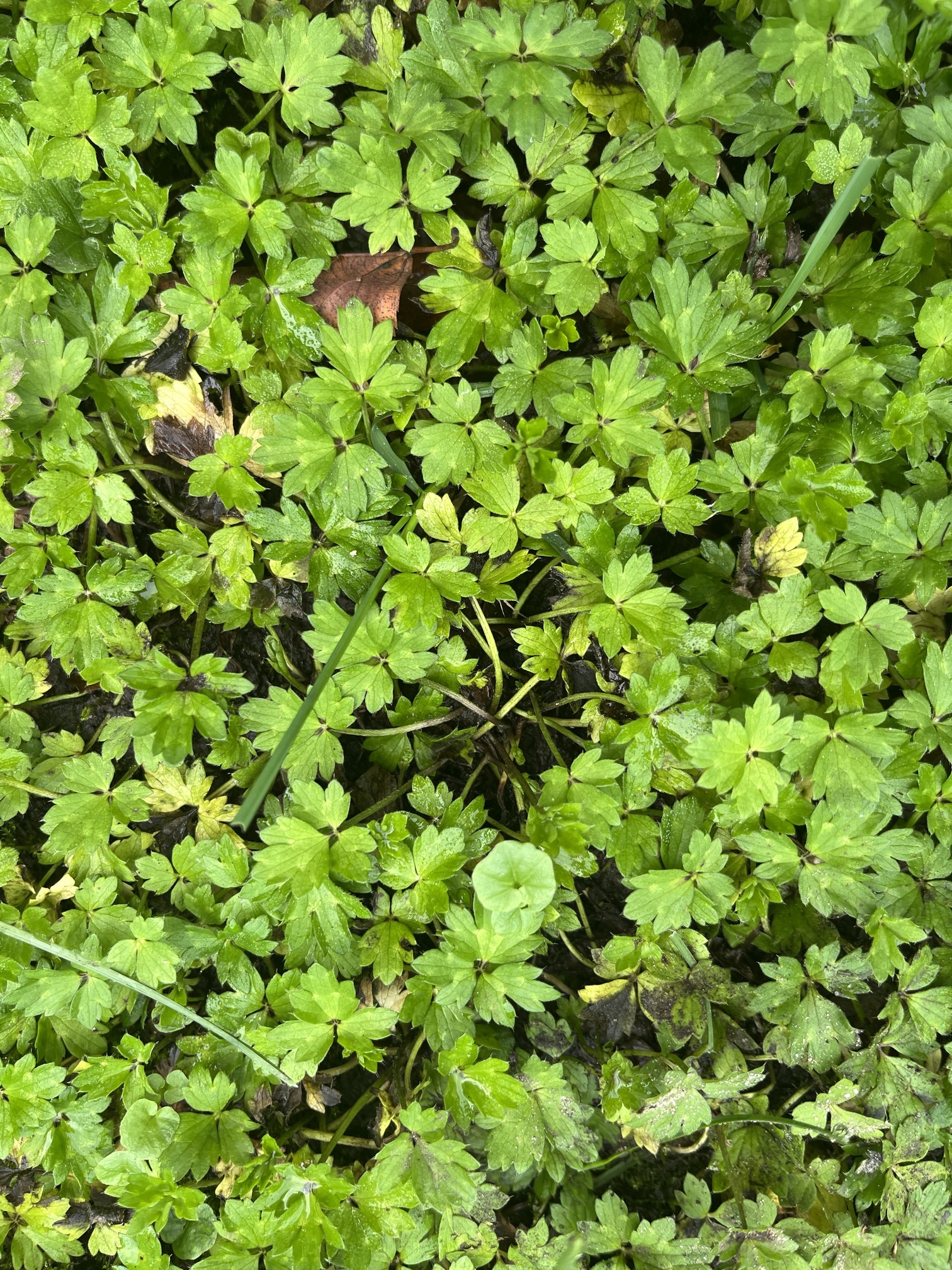
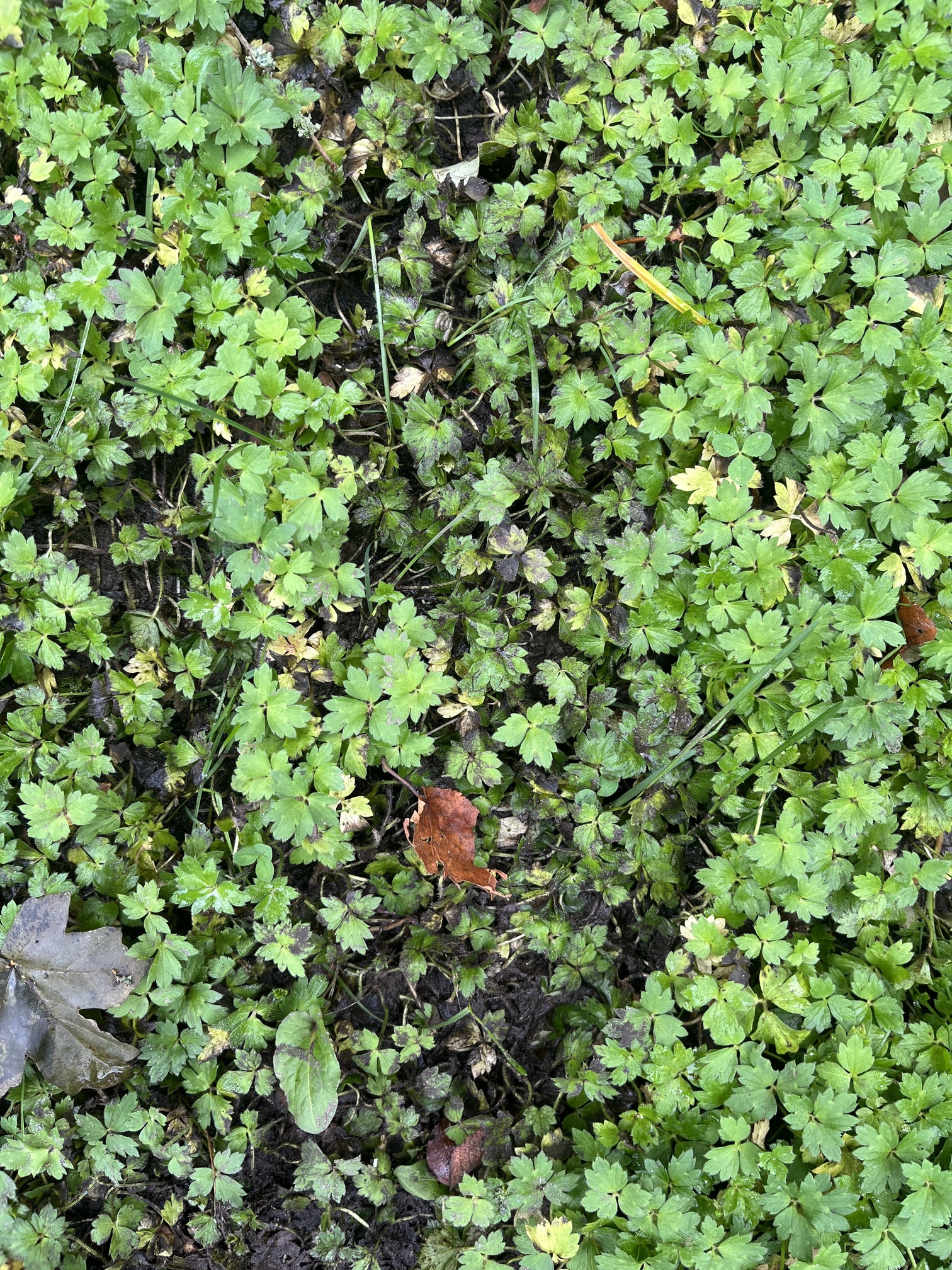
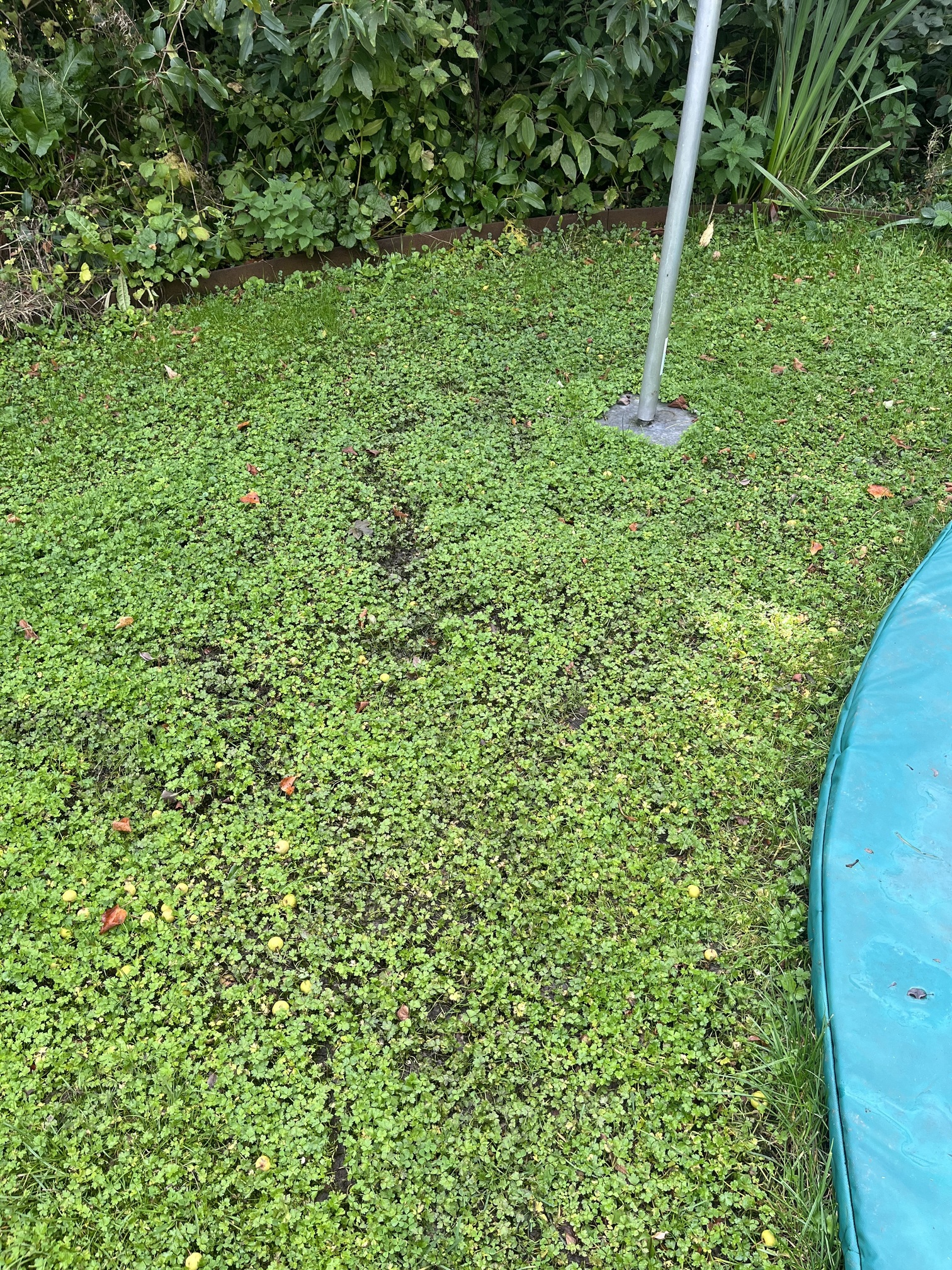
There is virtually no grass anymore in this spot. I think in a good day time I could turn this over for half a metre deep, put some drainage in and reseed it. This is the lowest part of the garden and even when I throw a bucket of water elsewhere on the grass, it goes to this place. The aeration would be sufficient on the grass which is still good, but this spot needs proper drainage.