My goodness but you have done well in 2025!
Peter
My goodness but you have done well in 2025!
Peter
In the interest of pot plant preservation over winter…
Have a Japonica Skimmia and an Acer in pots that need to await planting out sometime next year.
Is there something i should do to keep them healthy over the coming months?
My inclination is to shelter them in the dry under the back canopy to avoid risk of getting waterlogged ( i can remember to periodically water them a bit ) and maybe place them in a cardboard box with some insolation around the pots?
Another option is to plant them out, some work required but this is possible.
Is that today’s photo? The perfect time to repot the acer has a window of about 2-3 weeks after its last leaf falls in autumn. If it goes frosty and sub-zero during that time, it complicates things a little. If you’re planting out in the ground and you’re very careful not to damage the roots, that simplifies things.
If you want to wait until early spring before the leaves open, yes shelter it from rain and ideally protect the pot.
Taken 6 weeks ago, but both still have leaves on, the Acer just, won’t be long before all shed.
The japonica won’t lose leaves as it’s evergreen.
If the acer still has even a couple of leaves, wait until they’ve dropped, then plant out within 2 weeks. Just avoid planting out when there’s hard frosts forecast within the week after planting.
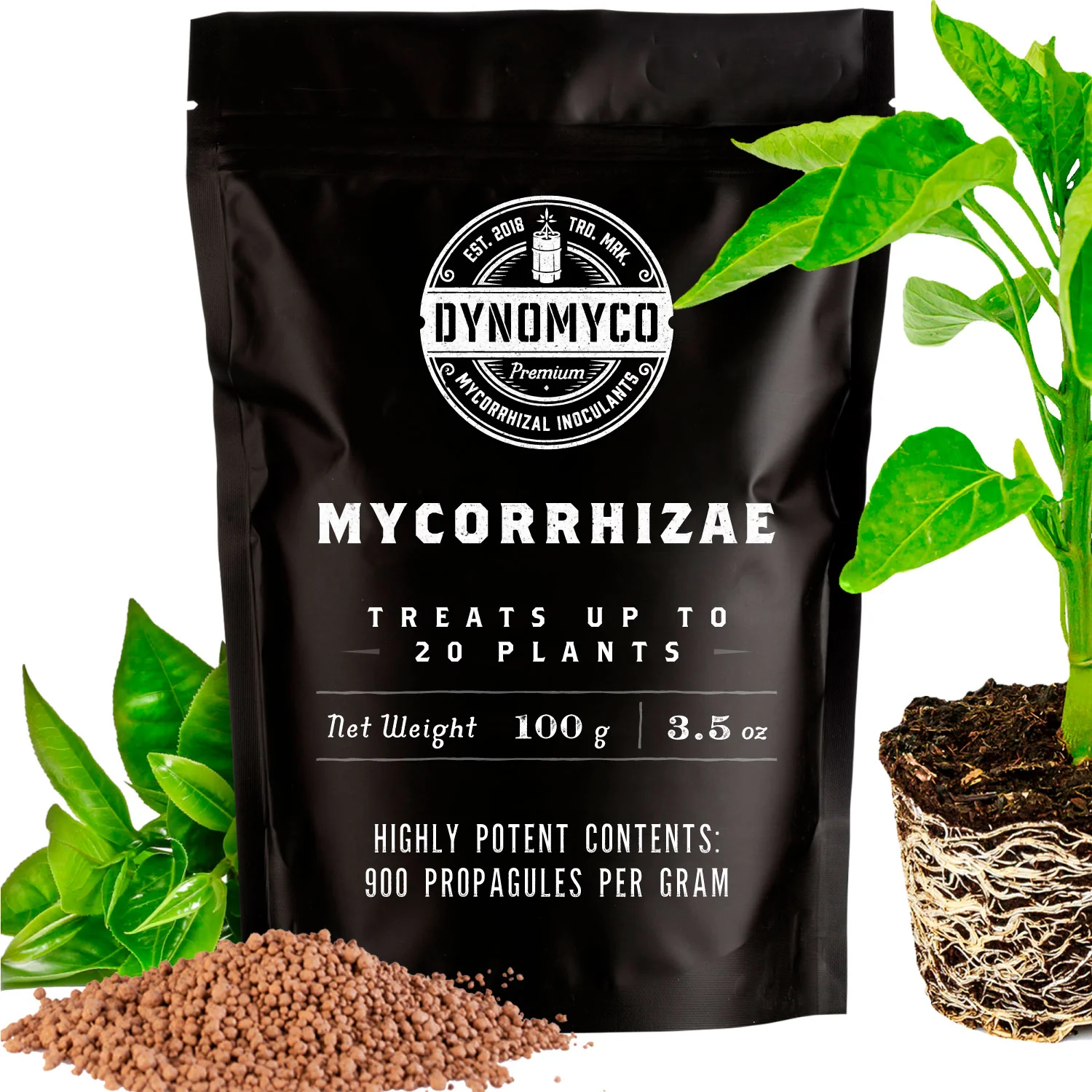
If you want to give it the best start, sprinkle some mycorrhizal fungi on the roots.
This is the best:
If you don’t mind me asking, is there a particular reason for your choice of mycorrhizal fungus? I’ve used some and had good results, but haven’t come across that brand before.
Have you used them outside the main growing season? The general advice seems to be to use them in spring and summer.
I’ve used quite a few different brands since Rootgrow started being popular 20 years ago. However, I don’t think I’ve ever been that impressed with any of them. For a lot of plants/trees grown in the UK, the two most important mycorrhizal are Glomus intraradices and Glomus mosseae. Research into these two mycorrhizal led me to Dynomyco. Finding peer-reviewed studies for any of these products is difficult. Many of the products can be ruled out with personal experience or the information (more importantly lack of information) given by the manufacturer. Rootgrow never publish what actual strains are in their products, for example. I used Dynomyco, looked two days later and was amazed to see mycorrhizal strands throughout the growing medium. Never saw that with any product before.
The ideal time to use them is at the planting stage, dusted directly onto the roots. If the ideal time to repot a particular plant is the autumn, then so be it. Mycorrhizal hates above 35C (dies above 40c), but only goes dormant at low temps and doesn’t die below zero. So autumn is a very good time. Small plant pots in sun all day could easily go over 40c if the ambient temp is over 30c. Dynomyco’s strains are sourced from the desert making them ideal for stressed situations. A lot of mycorrhizal research ended coming back to Dynomyco.
I also water in Ecothrive Biosys. This is basically a microbe tea containing several strains of mycorrhizal, bacteria, humic/fulvic acids, plus other stuff. This completes the ecosystem in the growing medium.
The big MUST. You must use dechlorinated water at all times or you’re wasting your money and time. Dr Hydro De-chlorinator uses the best method. Rainwater is fine, as long as it’s not old and stagnant, which could introduce bad bacteria to your plant.
Thanks, I’ve mostly used Rootgrow and the Ericaceous version in particular seems to have perked up some plants quite dramatically.
I’ve also used a product called Avengelus on the basis of it being able to compete against and attack harmful phytophthora fungi that are the cause of some serious tree diseases. Early days, but so far there seems to have been some improvement.
I’m curious about temperature and time of year because I want to get as much in there as I can, mainly to compete against a phytophthora infection in a tree which is quite sick so the sooner I can get the good fungi in there fighting it, the better. I just don’t want to waste time putting more in if it isn’t going to grow over the colder months.
Trichoderma hyphae don’t die at the minimum temps the tree’s roots would experience. They just go dormant at certain temps then grow slower. The Biosys contains trichoderma and various root stimulants too.
If I valued a tree, I wouldn’t consider the cost or time, I’d be treating it now.
The Dynomyco is theoretically no use for ericaceous, but saying that, I was talking to the owner of Ecothrive and he said that certain strains that were previously thought not to be of any benefit to certain ericaceous plants, could be. He also said the whole subject is so complex and we’re still learning all the time.
Mycorrhizal fungi roughly take 2-5 months to show any benefits with a plant, probably more on a slow growing tree. If benefits are seen within weeks, it won’t be the fungi.
My infected tree (not ericaceous) has been showing dieback from a phytophthora infection for a few years. By chance I discovered this year that there are two possible treatments, one being phosphite injection, the other being mycorrhizal fungus treatment, particularly Avengelus. I was advised to apply this about 4 times through the growing season, but by the time I bought some I only had time to do 2 applications. So I’m trying to decide whether it’s worth doing another treatment now, or just apply it again in the spring as advised. I’ll probably do it anyway, but I was just curious as to whether there was any reliable source of information about it’s behaviour in lower temperatures.
Avengelus isn’t mycorrhizal, it’s trichoderma and I’m a reliable source (see above)
Yes, it’s a Trichoderma. I would argue that it’s mycorrhizal in that it is a fungus, and it grows into, and forms symbiotic relationships with plant roots, but lets not get too bogged down in semantics!
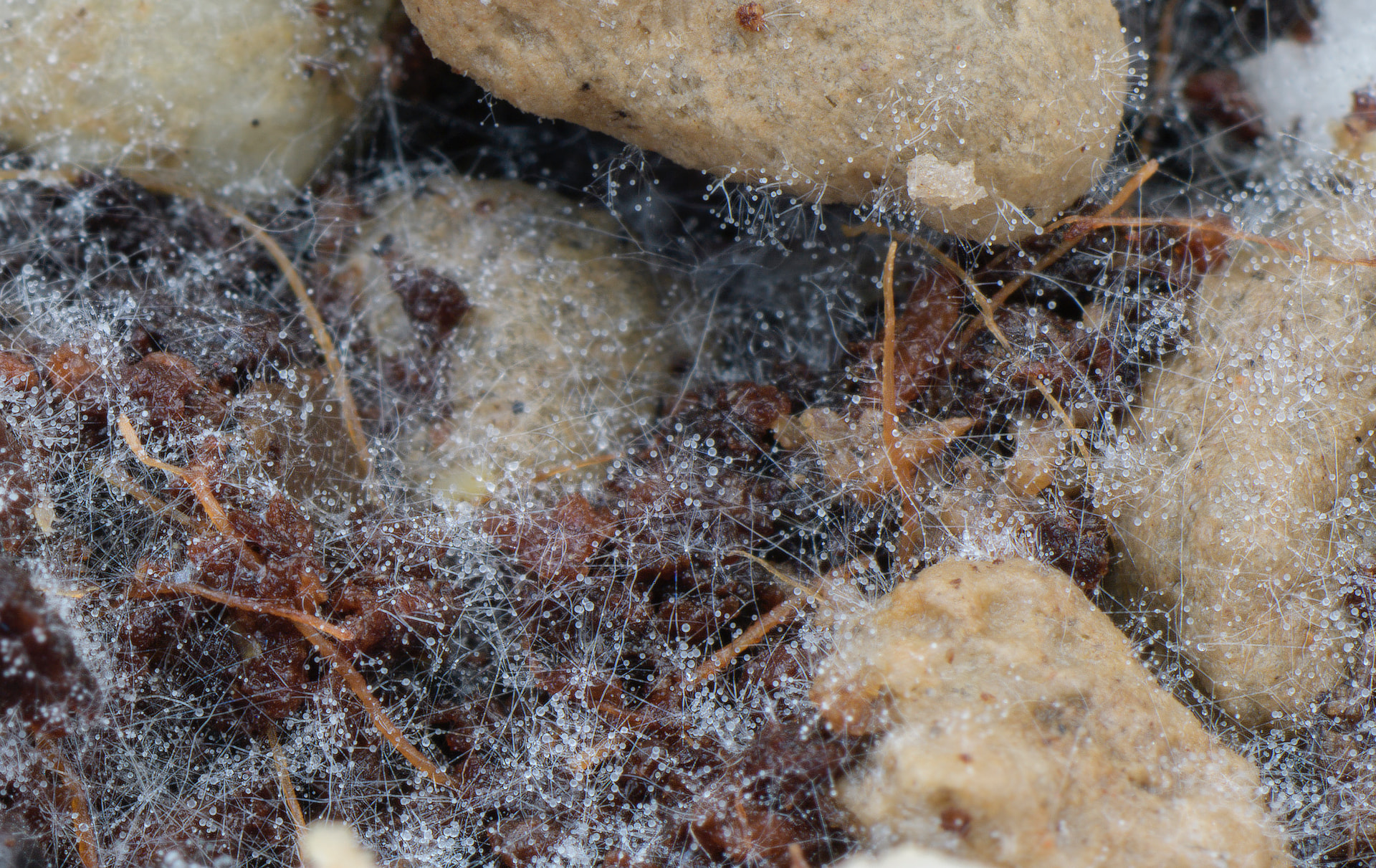
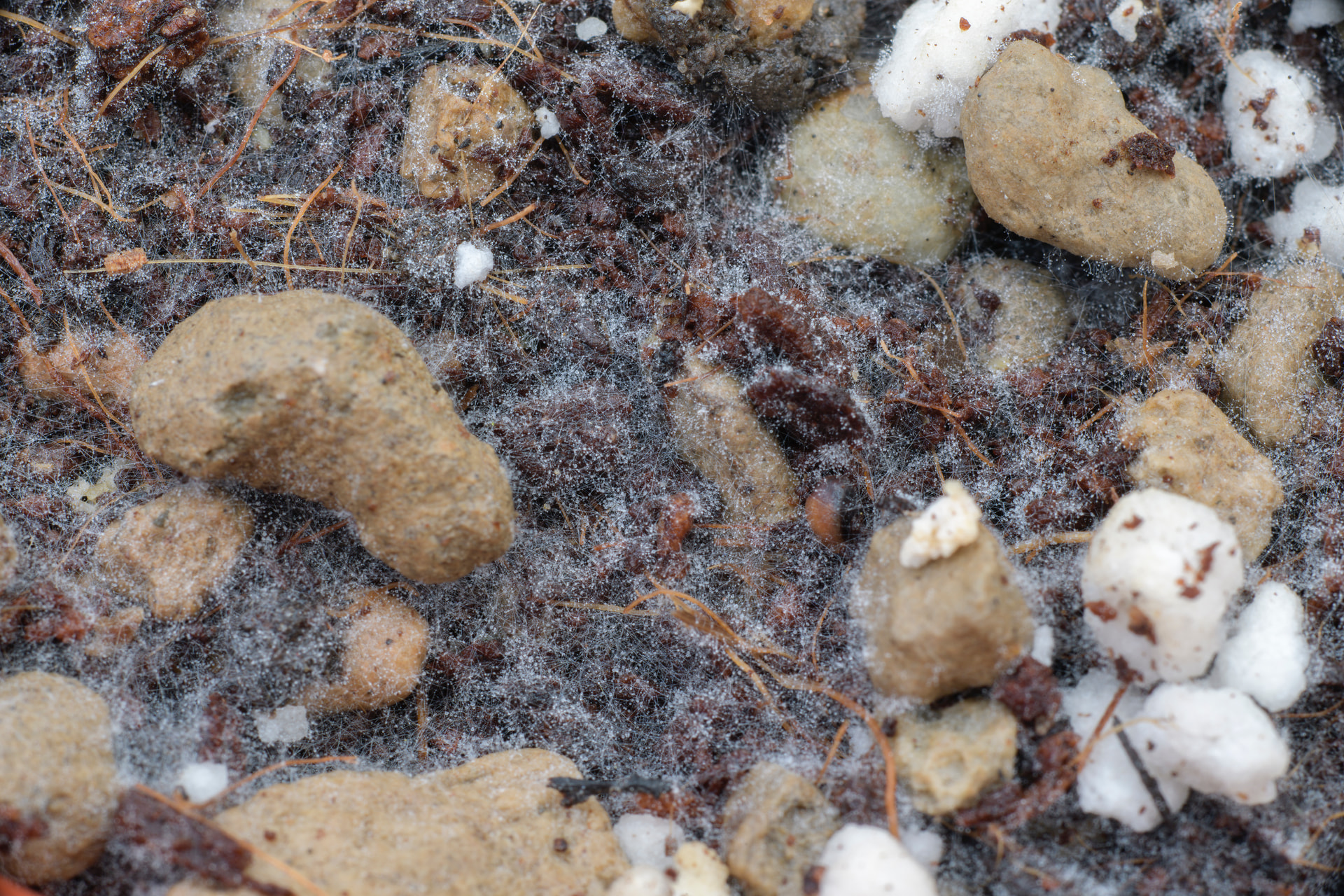
This is the sign to look for when everything is going right. Mycorrhizal covering the growing medium. This is on top of my pots today.
I thought of you whilst watching Gardeners World and the snowdrop enthusiast
I’m a bit slow watching tv atm, I’m watching Gardeners’ World winter specials on iPlayer and only half way through the second episode. Look forward to any snowdrop stuff😊
It’s number 3 . I hope you enjoy
Ian 
A fun week in the garden with round 2 of digging up 50 million wild garlic/three-cornered leek bulbs that despite a purge last year have covered pretty much all the garden.
Every garden has its bete noire and they are normally tricky to get rid of.
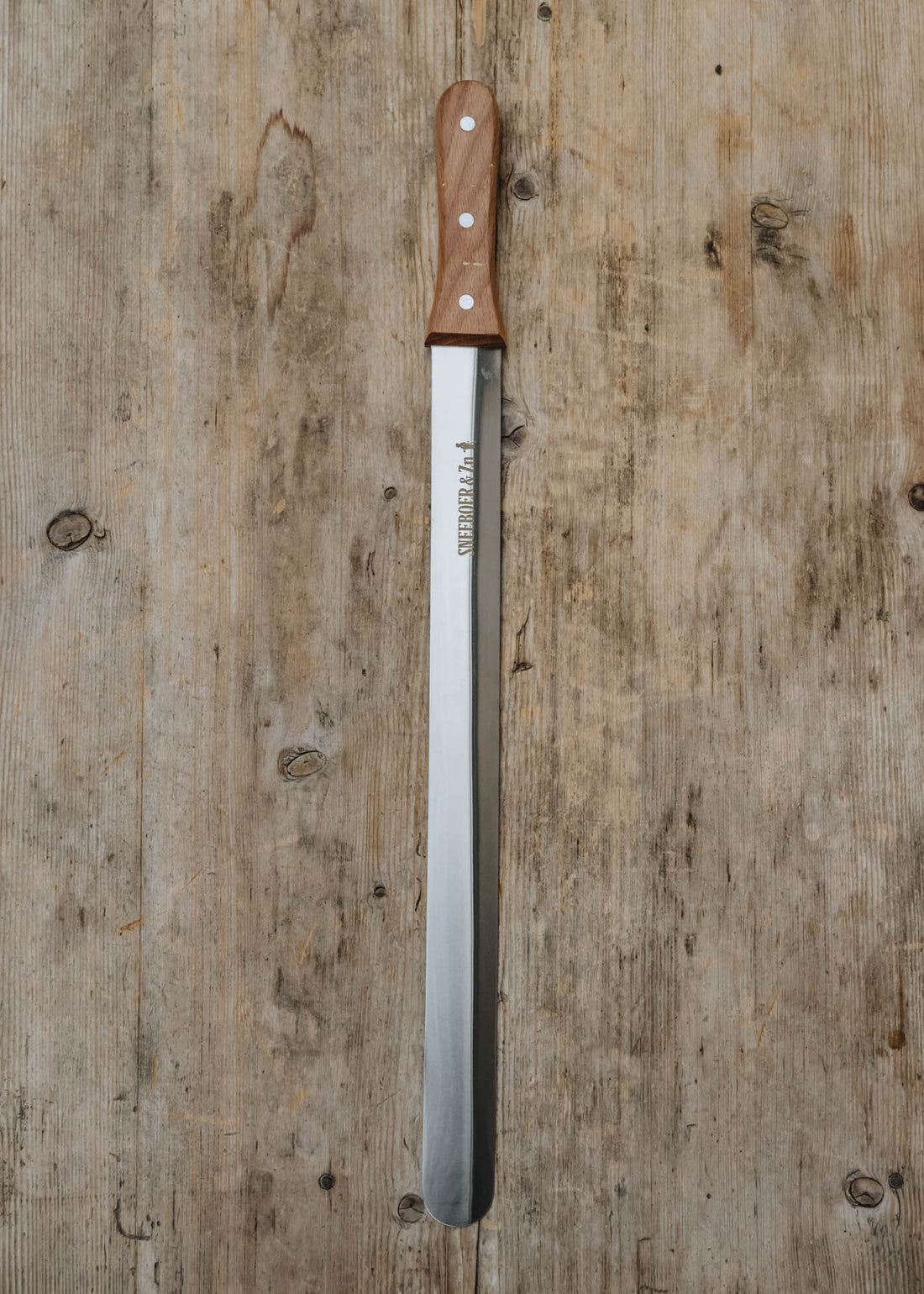
Planted up a few shrubs that have been sitting in containers and thinking I bet there is a tool for getting in and round the side of the pot to free up the root ball. Sneeboer to the rescue.