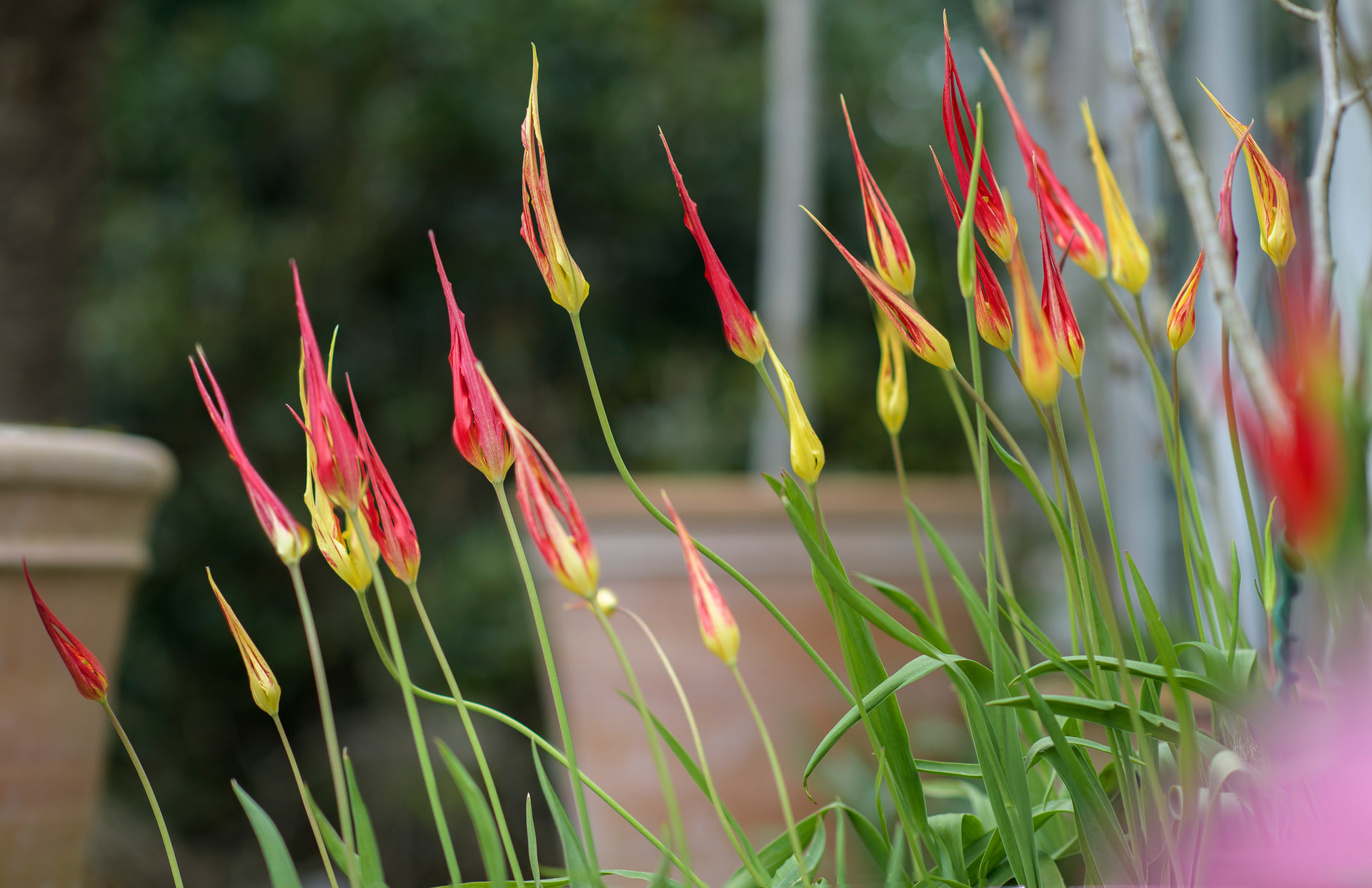
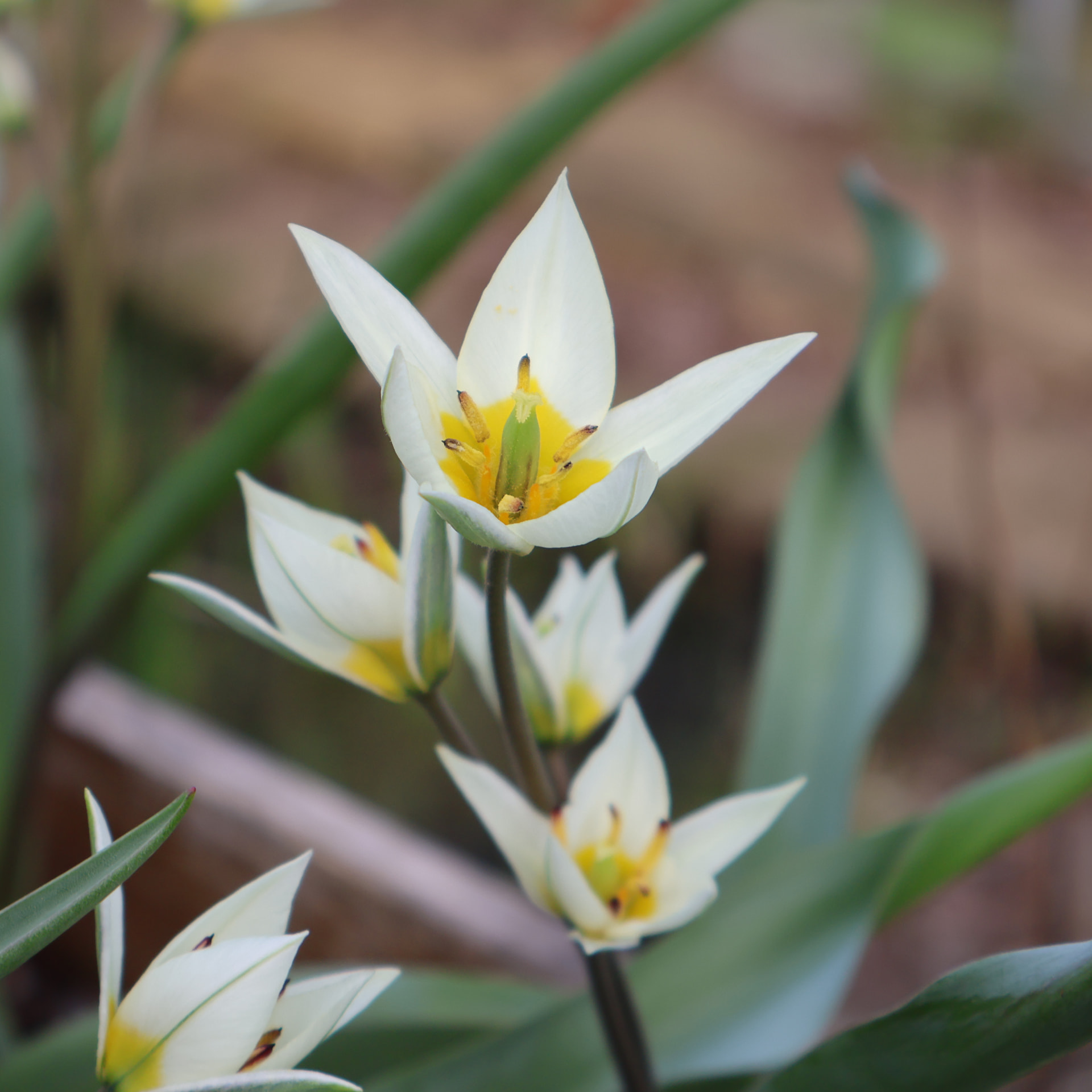
Tulip acuminata comes up reliably every year. Getting too many of them now. Look great even when they’re closed.

14 Likes
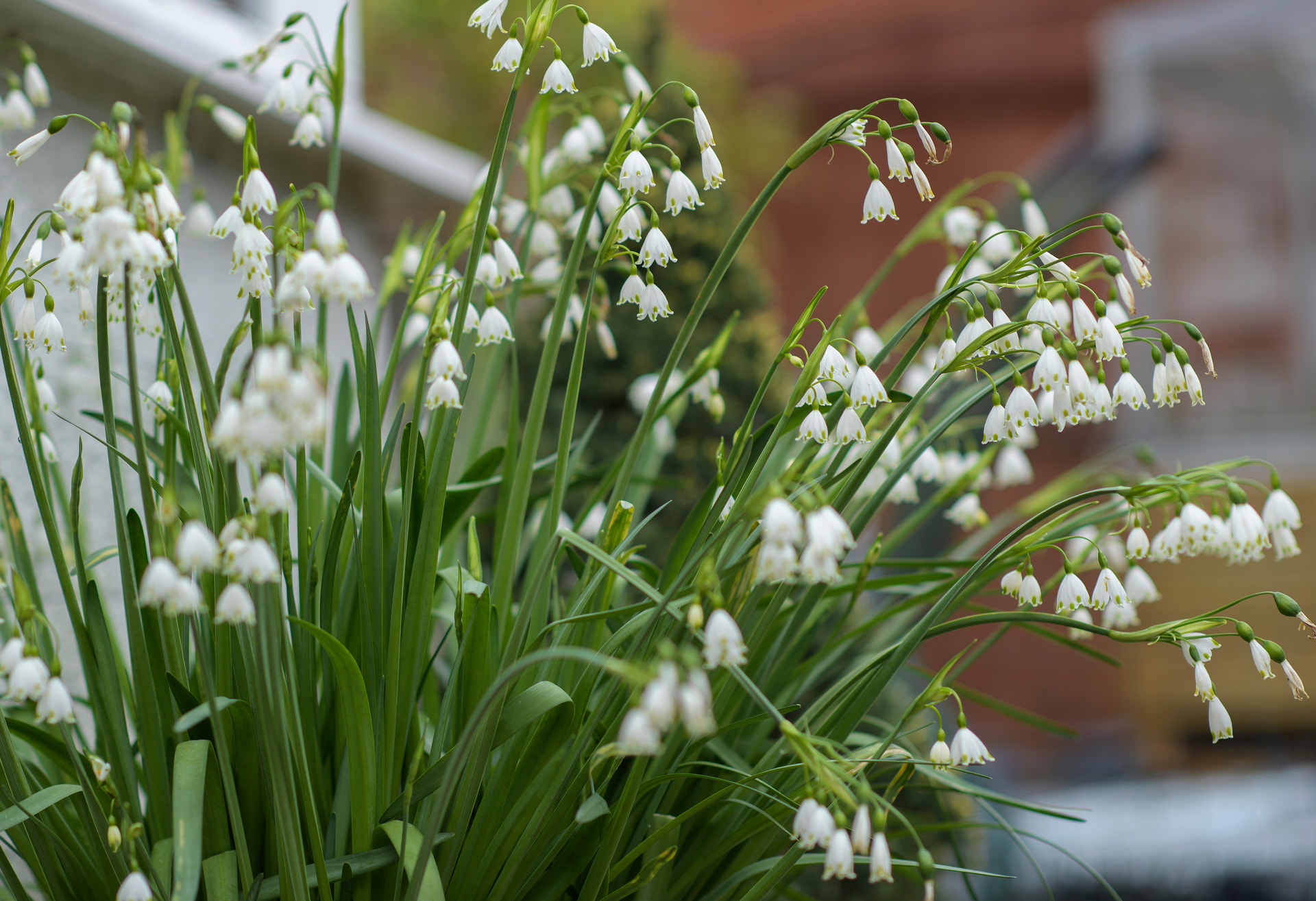
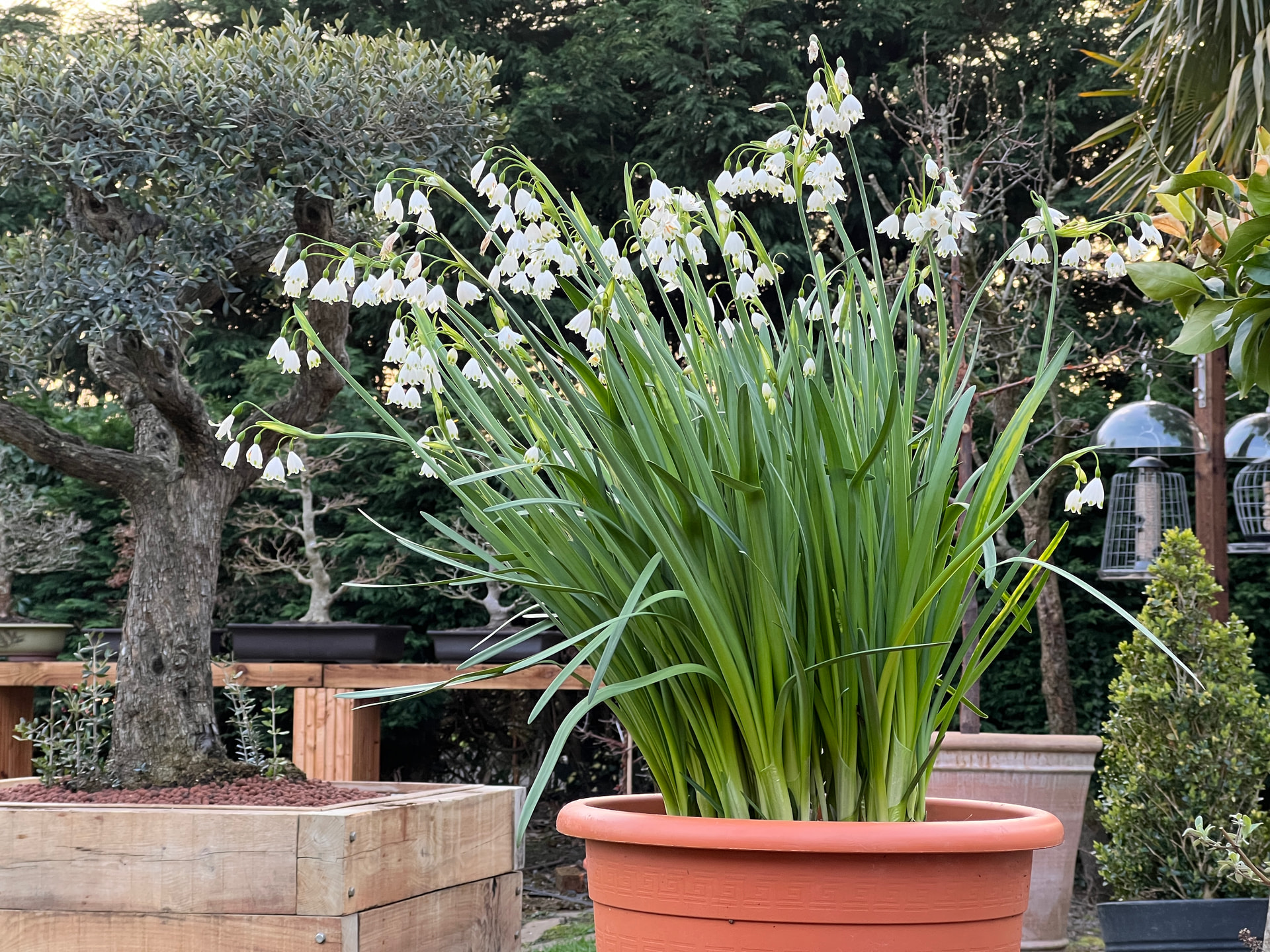
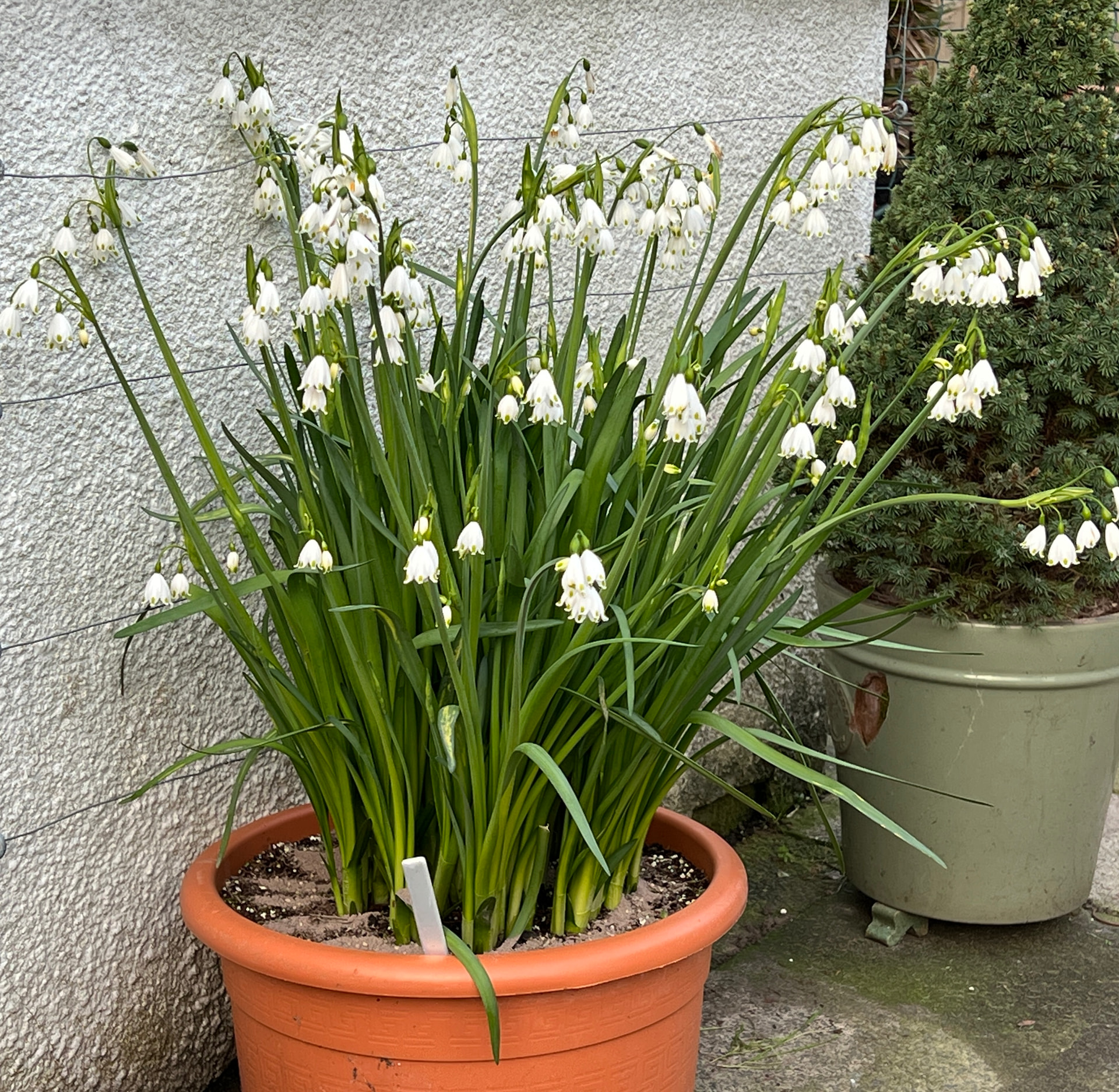
Leucojum gravetye giant been flowering for 2 weeks now. Good value impact and comes back each year bigger.

10 Likes
Interesting … for me the important thing is to build up the soil structure. The soils here are very thin, calcareous, which I’ve built up with organic material over the years. The biochar will be added to my compost system: hen bedding plus Bokashi (kitchen / food waste).
Recommended levels of biochar are less than 10% of the soil, so not exactly a bulking agent so it will have to add more of something to the soil; that something coming from the Bokashi. Time will tell.
I’m also experimenting with wood chip as a substrate to develop mycelium networks between the raised beds. This is working well at various zero dig projects around here, including at the RAU in Ciren’.
1 Like
I’m just into more scientific, measured methods using known, clean materials. There’s obviously dozens of ways to garden, but unless one is going to get end product soil sample scientificlly tested, one will be guessing and/or trialing with plants. Many plants like japanese acers are very sensitive, expensive and hard to get, perhaps a lettuce isn’t.
If I want mycorrhizal, I’ll add known specific strains. Adding woodchip, etc, may add mycorrhizal, but could also add bad bacteria, fungi and pathogens.
Farming is a science and farmers have constant soil sample tests. Always have done. Digging in manure, adding solid uncomposted wood, and a shedload of medeival methods is generally when we come away into amateur home gardening.
You only have to read a site like Ecothrive, to find fascinating facts and products.
I’m with you on the science … zero dig was founded by two Oxford biologists ( the choice of wood chip is important, preferably ramial). And Merlin Sheldrake, Cambridge, lives nearby, gives his endorsement. As an environmental chemist myself I avoid over engineered solutions, as they tend towards the synthetic end of biosynthesis.
1 Like
I’m with you on the no-dig approach. There is increased understanding these days (but you probably know more about this than I do) of just how much interaction there is between different soil organisms, including plants and fungi of course, but also bacteria, nematodes etc. Digging disrupts this, and it seems that in itself allows harmful organisms to gain a foothold, not least pathogenic fungi.
Some horticulturalists who have studied this are saying that no-dig is part of the way that naturally occurring mycorrhizal (and other) fungi are allowed to thrive, and that adding commercially available types disrupts them, and should therefore be used with caution.
1 Like
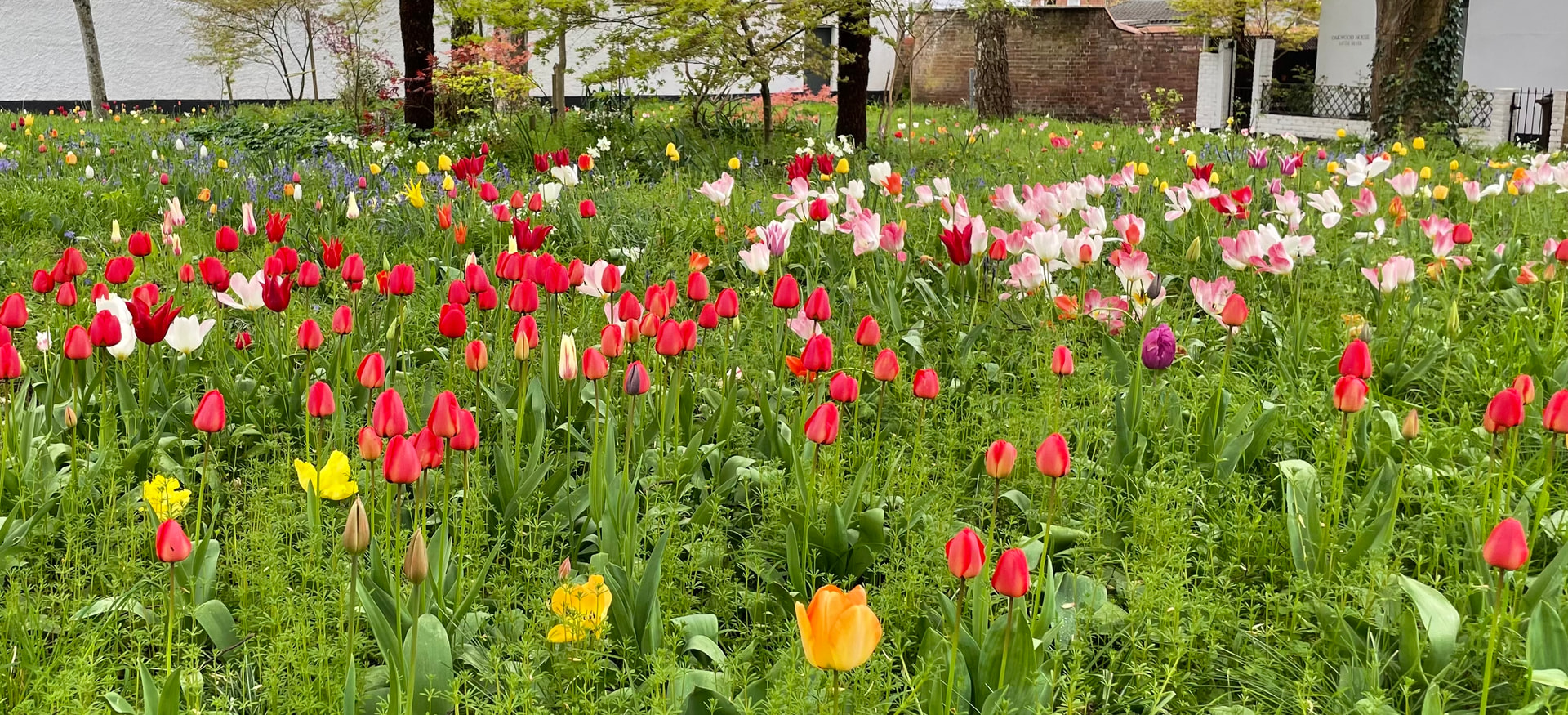
That looks fabulous!
Peter
2 Likes
Thanks Peter!
1 Like
A lovely Spring day and the plants are singing out for pollinators
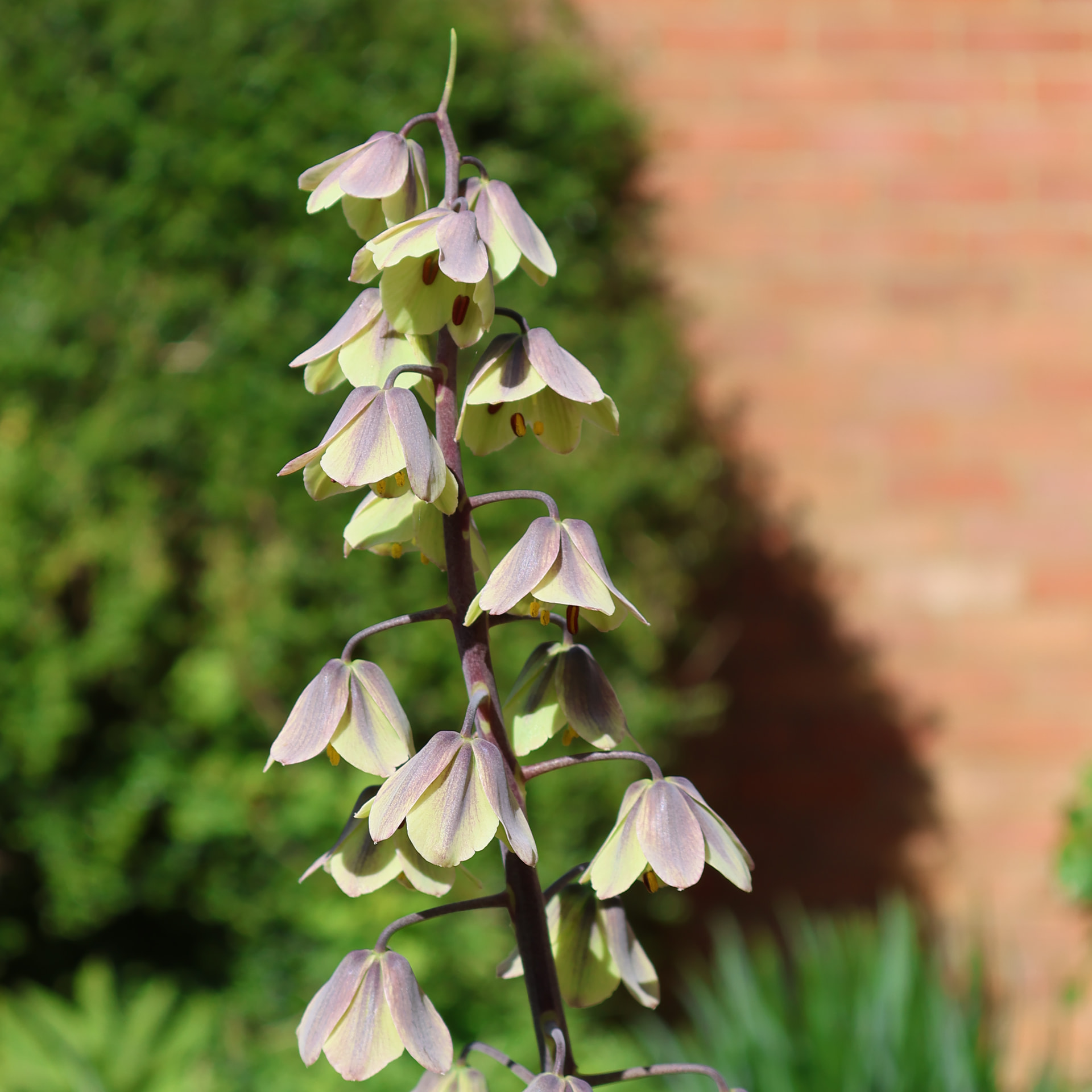
My front garden is mainly about Spring bulbs , then as the season moves I grow a lot of herbs and in the peak of Summer it’s about food , potatoes, veggies and chillies
14 Likes
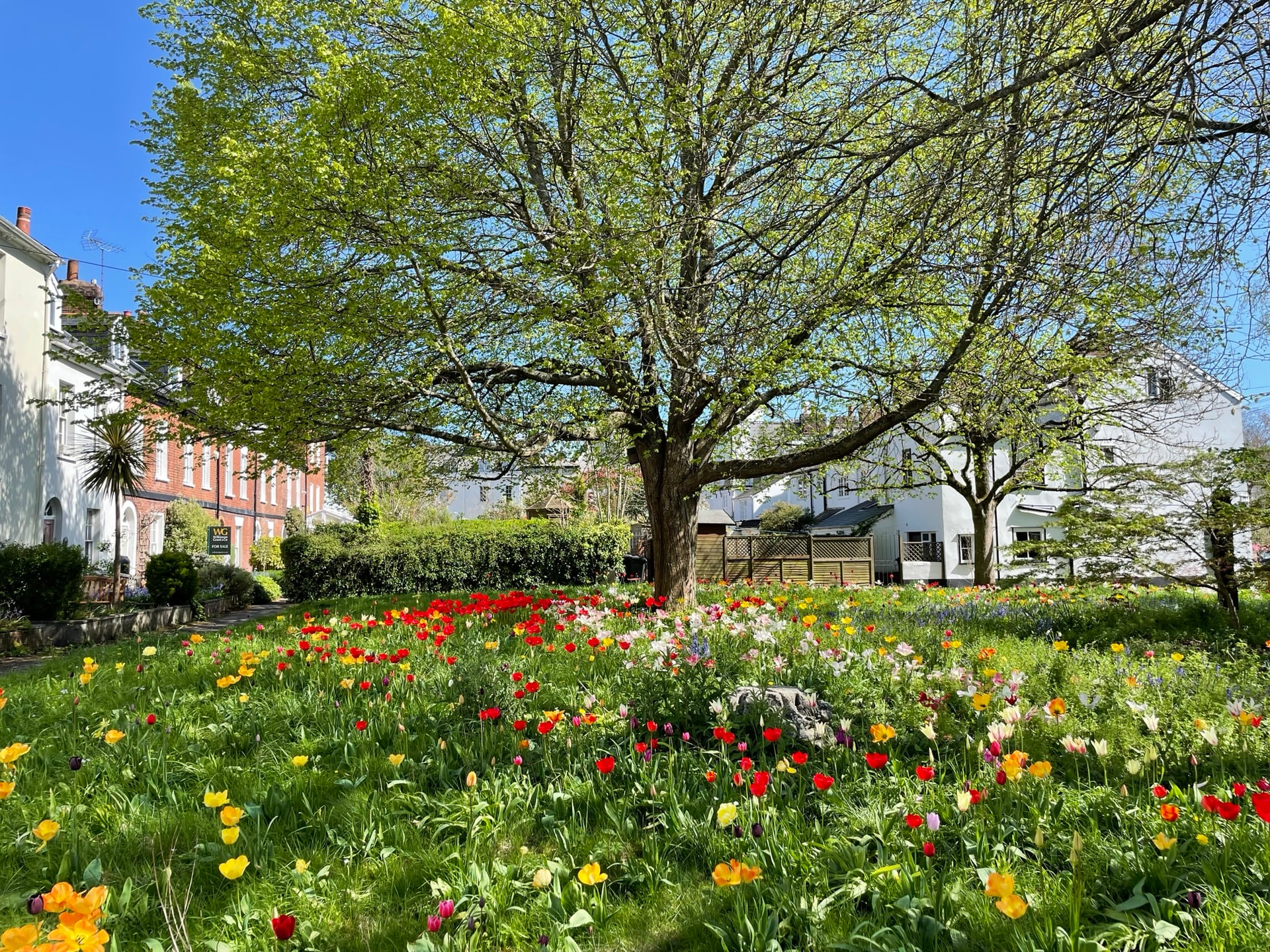
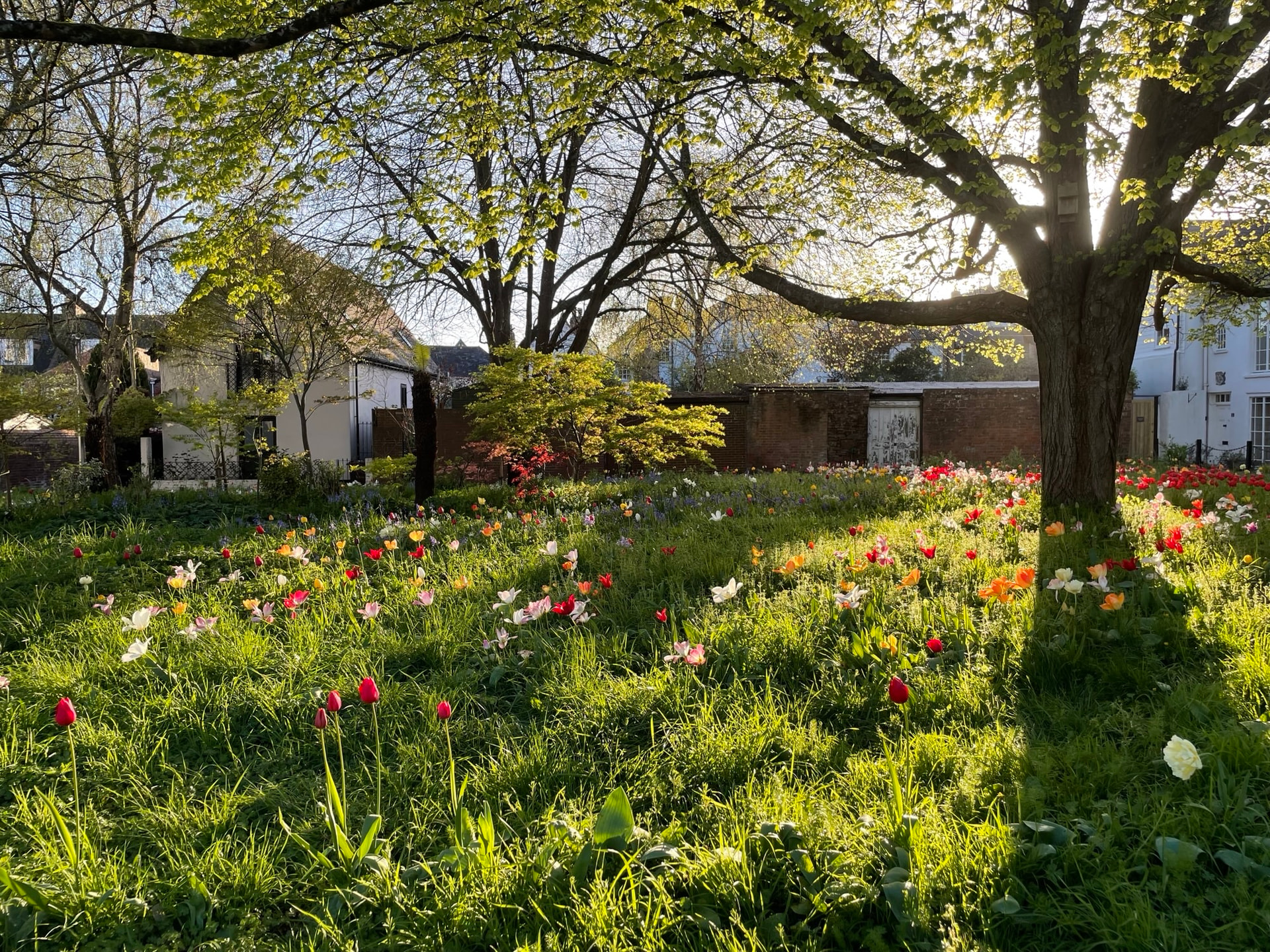
In addition to the acers in the middle bed, the large trees on the Green are waking up – the first to leaf is always the lime, followed by the silver birch and the ash.
11 Likes
Just lovely
2 Likes
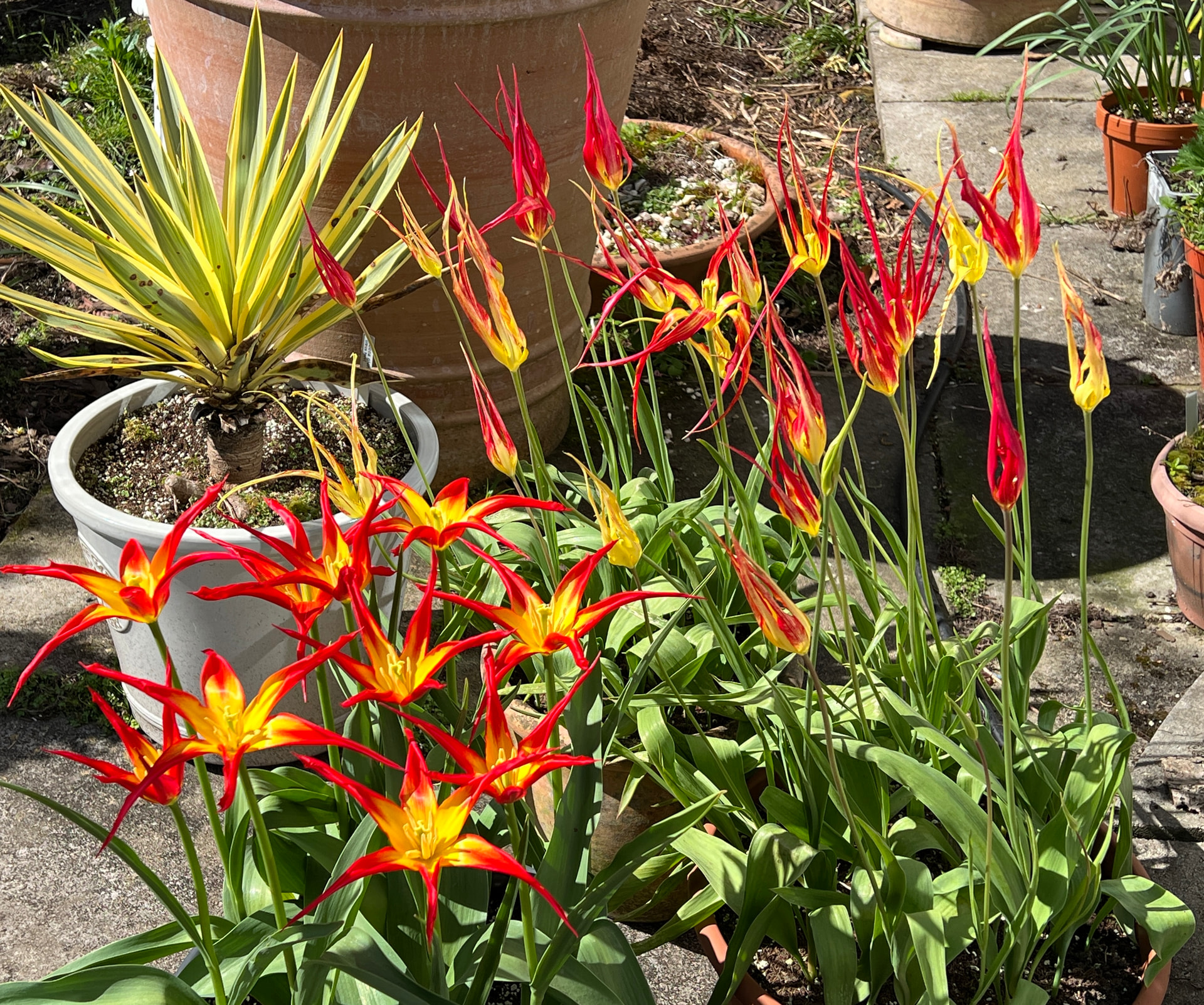
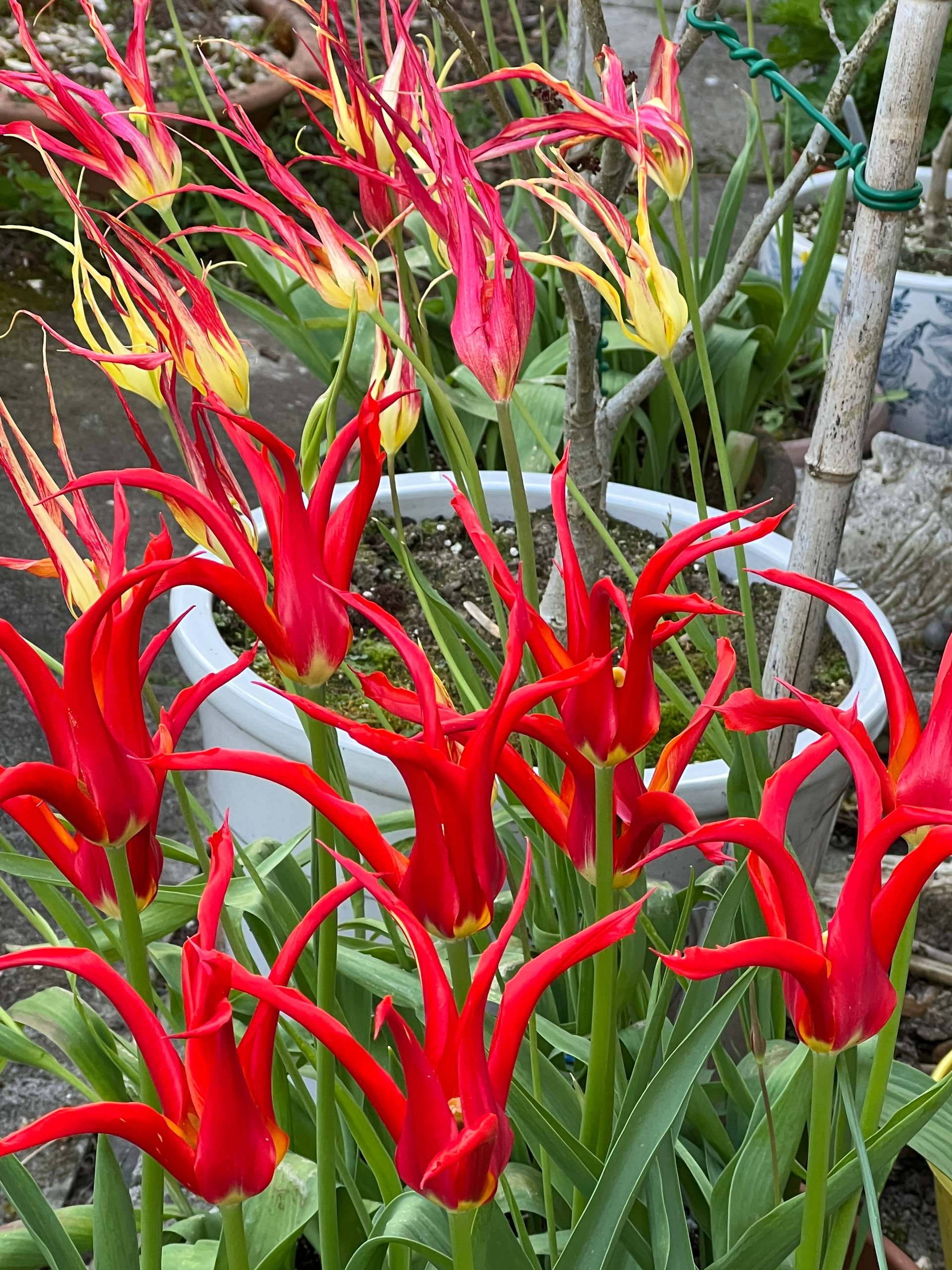
Tulip Go Go Red looking absolutely stunning.
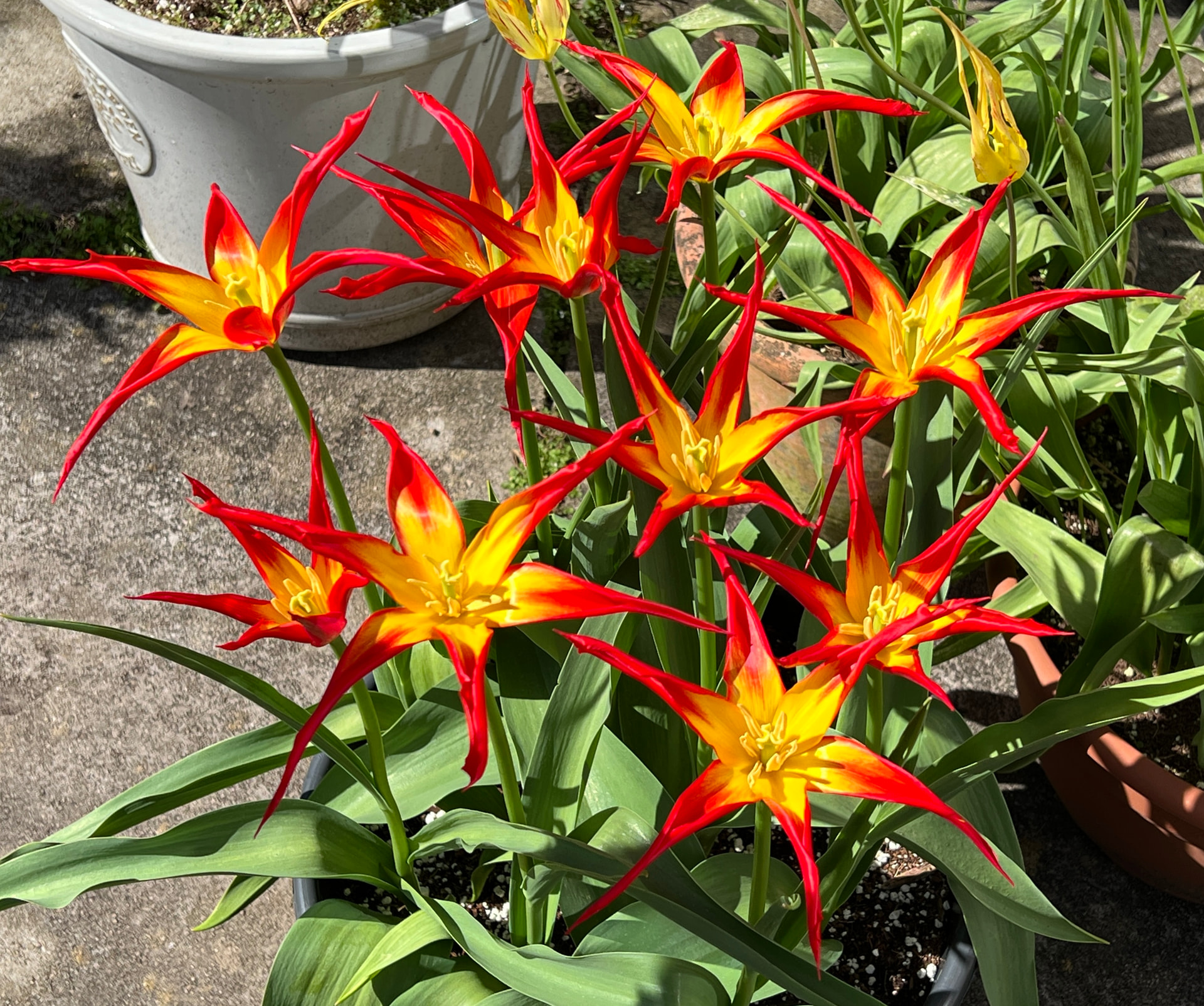
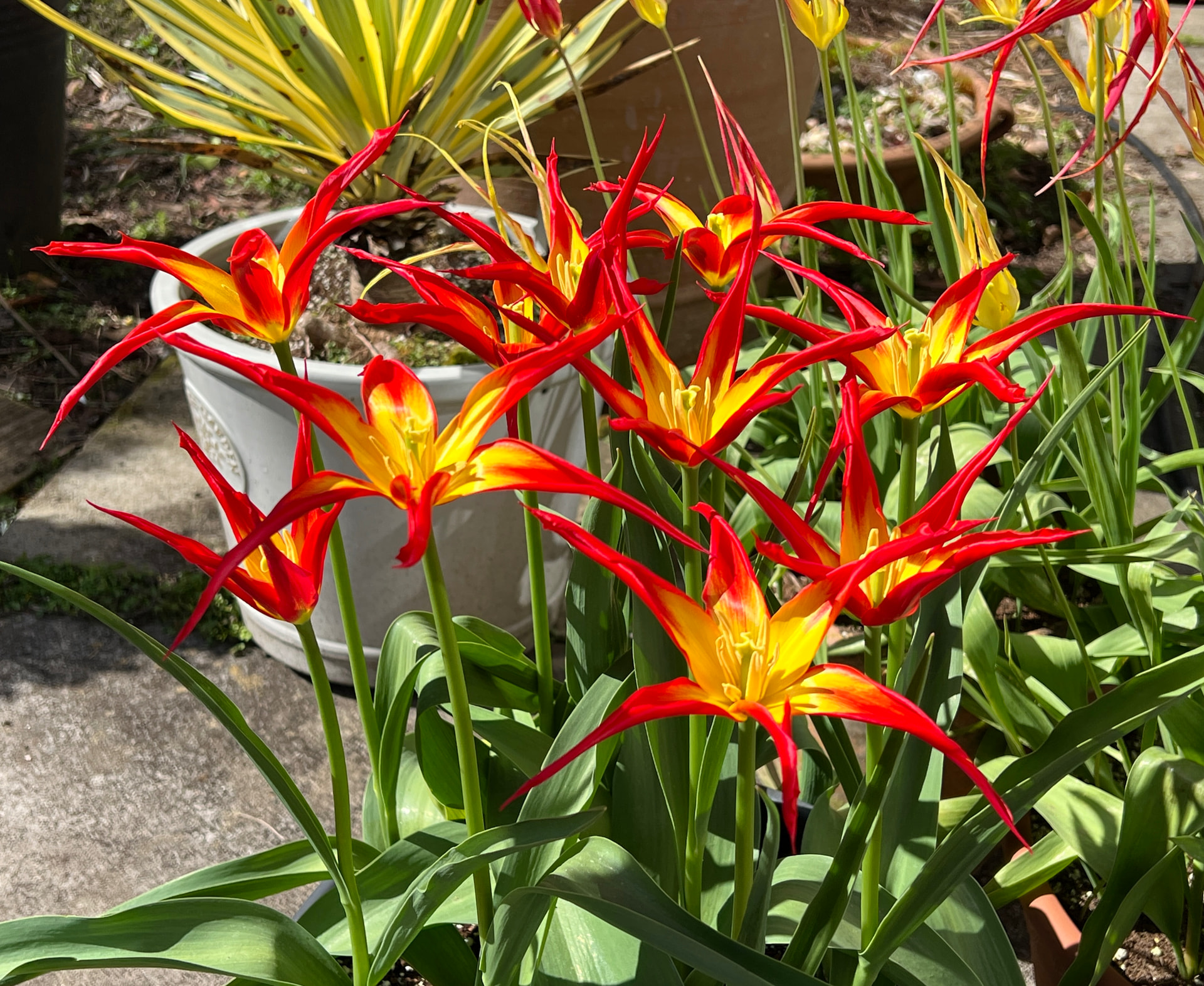

It has that Acuminata feel about it, but the red is much more intense and it has a ‘joker’s hat’ look. Acuminata in the background.
9 Likes
They are very “zingy” , the light today has been fantastic and they really must have shone
3 Likes
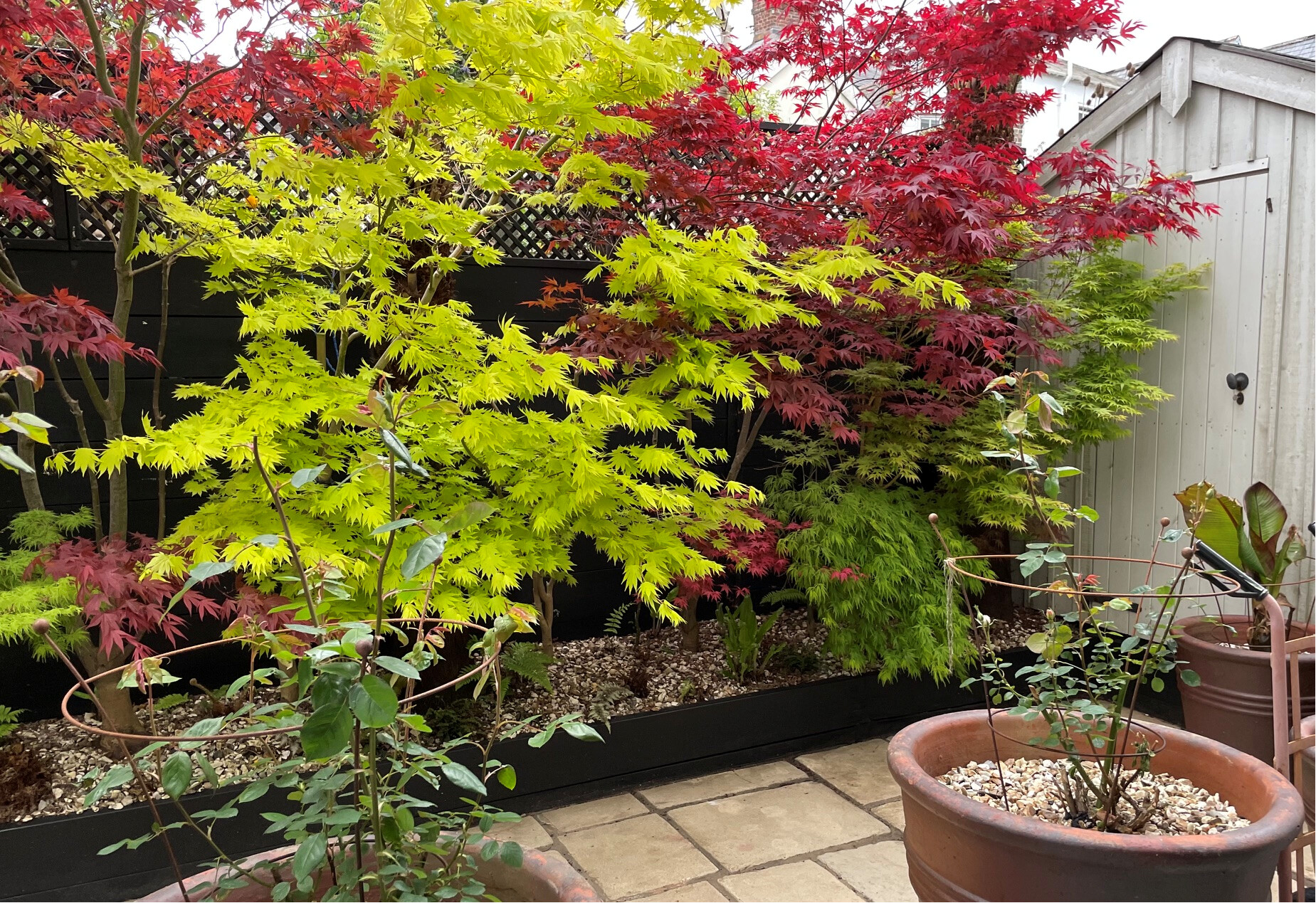
Turned chilly again after the barmy temperatures over the bank holiday, and yet a remarkable budburst across all trees in the last 48 hours. The ‘Queen of the Night’ tulips have emerged - deep velvet purple – the best til last. Sadly, it marks the end of the tulip season, which is the earliest I’ve known it.

Meanwhile, in the backyard the acers are all out and I’ll wager I’ll have my first rose unfurling this weekend – the pure white ‘Desdemona’ (David Austin). Again, so early.
10 Likes
Saw and ordered them one year ago, received and planted in Sept and this is the result.
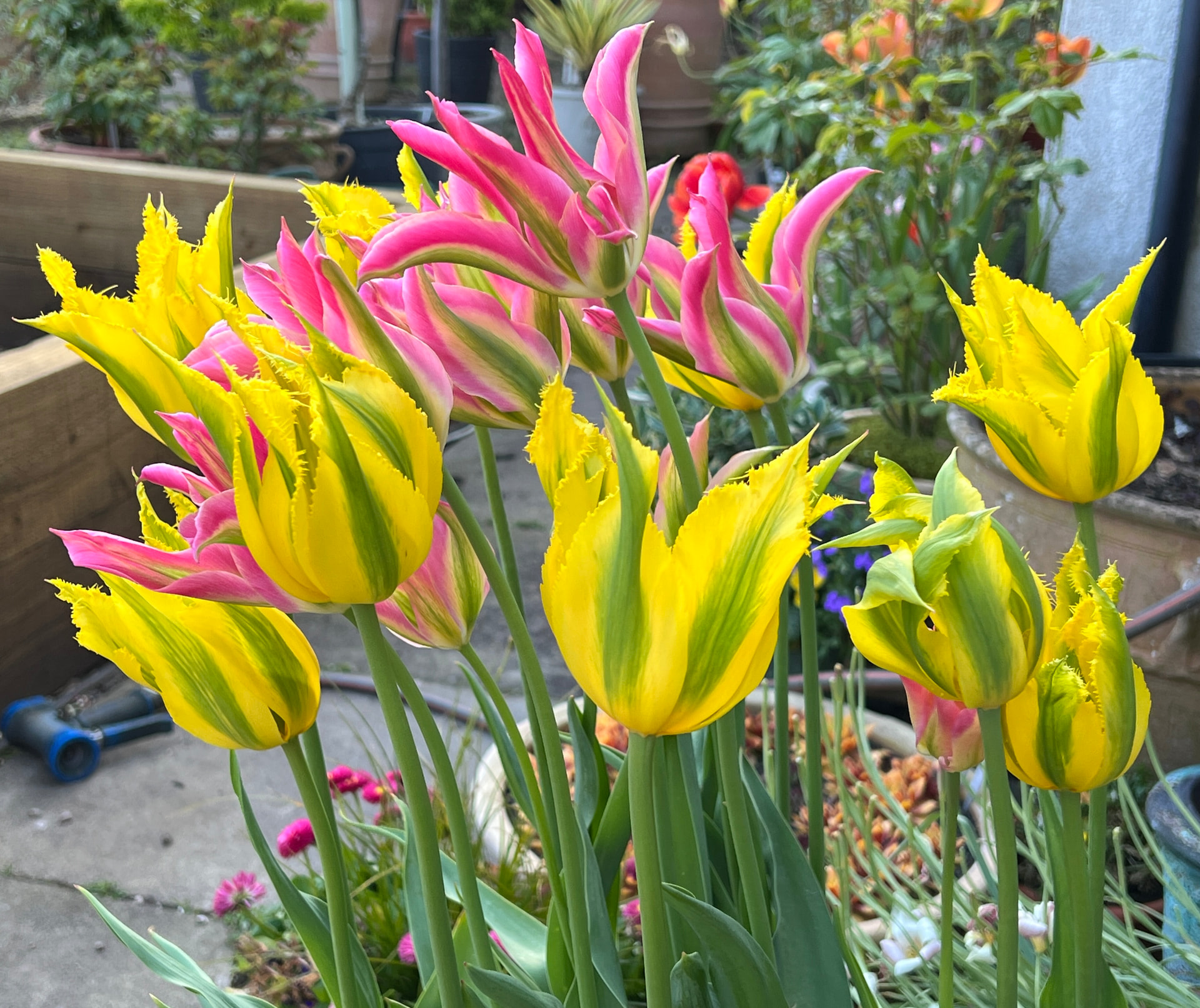

Gardening is patience

12 Likes
Fabulous!
2 Likes
Farmer Gracy ?
Yes. I’ve used Farmer Gracy for years and they’re very good.
2 Likes