I have that setup right now. Can you please explain the differences
The Nac 12 sounded little thick and slow powered by a Supercap and also a Hicap,with the Snaps the sound was faster and snappier.
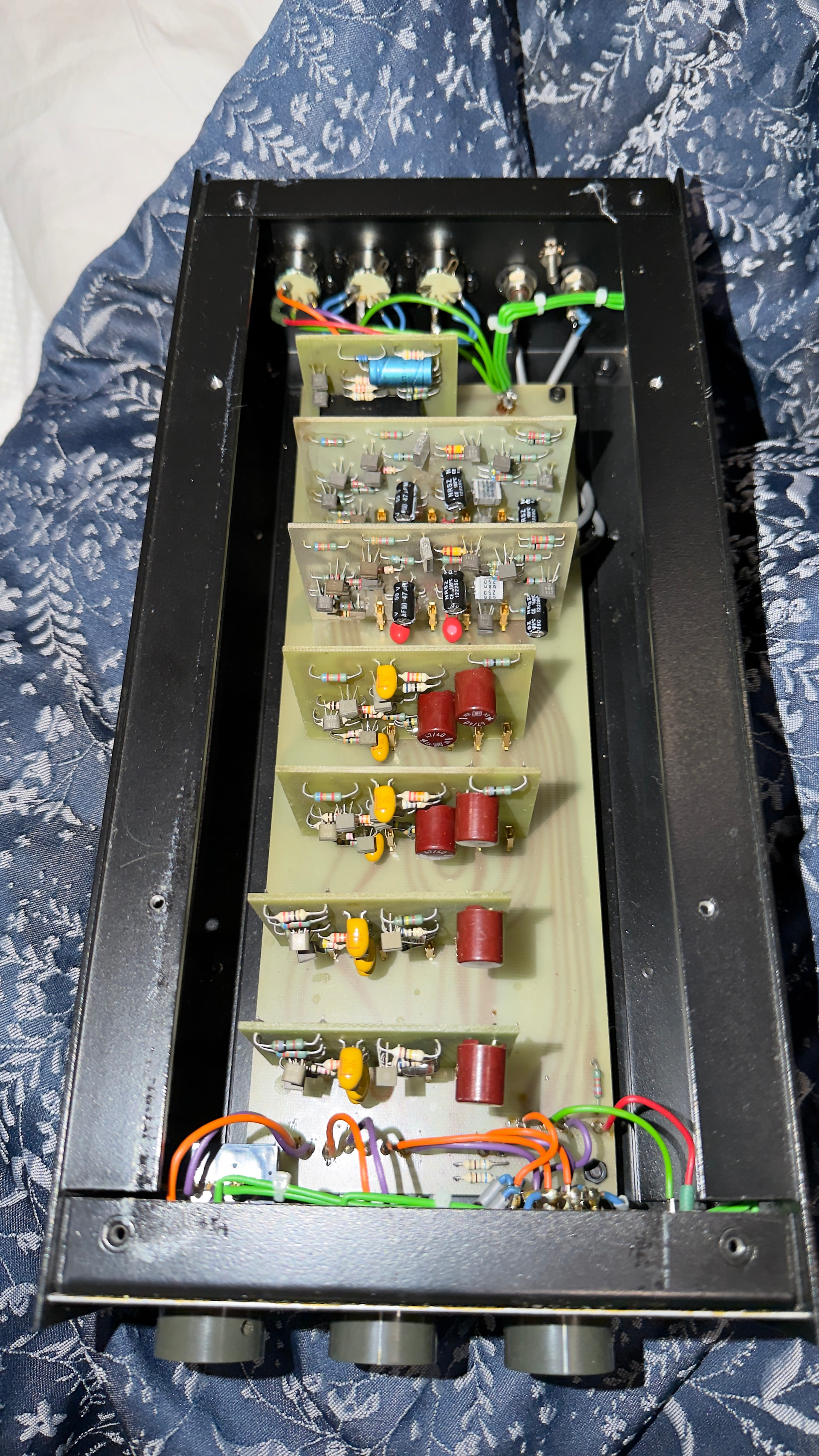
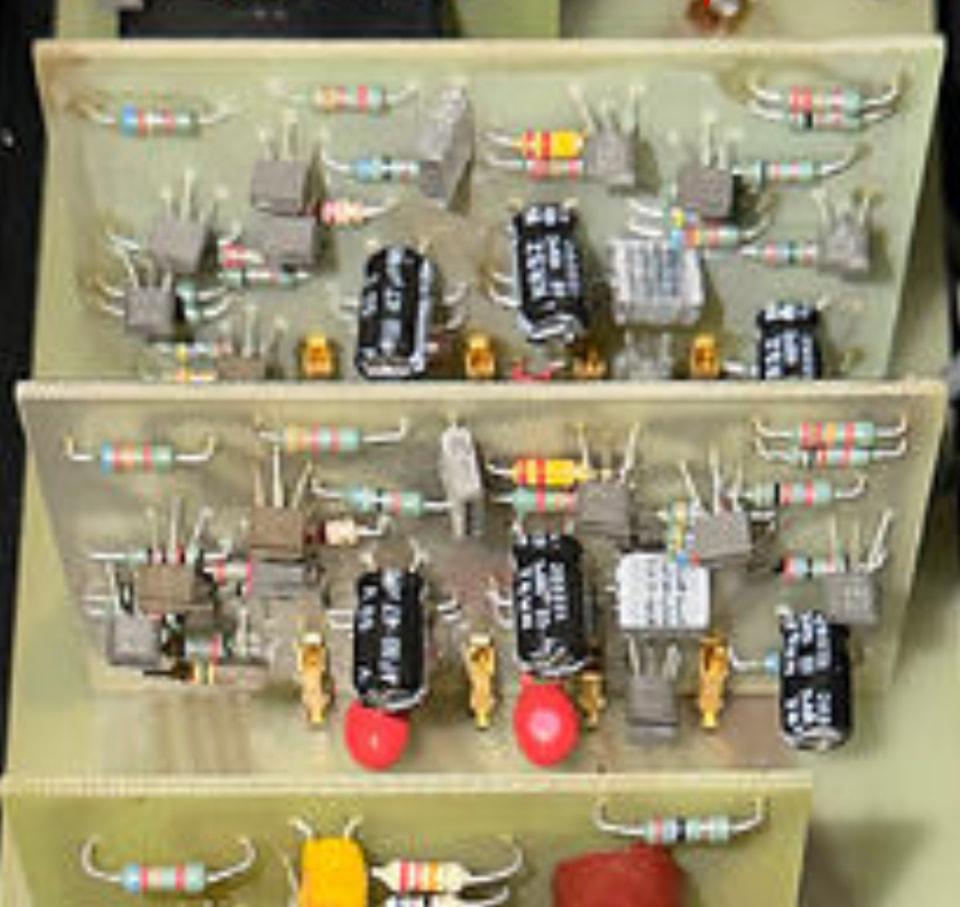
The phono boards look modified?
The capacitors looks different from original.
1 Like
I always listen to the DBL in passive mode with 135.
It’s far enough to appreciate those speakers in a normal sized room (25/30m2).
The main things I really love with the DBL are:
-their coherency, naturalness and vivacity
-the size and realism of the instruments
-the super timing which gives pleasure as with the SBL, “the” reference in this area
-controlled bass rendering
The refurbished 135 is far enough to powering them.
I never really was a fan of Naim active systems. For sure those systems offer an increased realism and naturalness. That’s clear for me. But I was never totally convinced by their musicality. In other words, I find there’s a little lack in expressivity compared to passive systems. Some people spoke here about coloration of the passive modus. Perhaps, it could be possible. But I always preferred passive systems to active Naim systems. Maybe the active systems I listen to were not enough optimised. I don’t know.
It’s perhaps a matter of taste. It’s possible that the global equilibrium of passive modus sounds better to my ears.
This why my project is to push the DBL as far as I can in passive modus. And that looks good by the way using AVoptions signal for the CDS and perhaps a new snaic between the SC and the 52.
I take an other way to come close to an active listening with Naim but with the extraordinary timing, expressivity and fine modulation of the passive modus.
3 Likes
Yes DBL’s works very good
with passive 135’s,but they really comes to
life when active,the timing
and live feeling becomes absolutely superb.
1 Like
Yes I can understand what you mean.
But it’s hard to describe it.
Each time I listen to an active system, something little but so important for me seems to get lost, the kind of this so hard to define magic of the olive listening, the kind of things some people seem to discover again with the Nait50.
I can’t give more explanations to this feeling.
4 Likes
Each time I listen to an active system, something little but so important for me seems to get lost
I feel exactly the same.
My guess is that maintaining signal integrity (i.e., keeping the signal as one) for as long as possible in the Hi-Fi chain is what I enjoy more than the various benefits of active (which are very nice too).
3 Likes
It’s very important that an active system is set up correctly,with 1/10 of the distortion of an passive system,it’s very revealing.
I have had many active systems and for me ,passive crossovers hold back the music.
2 Likes
In all the boards of just phono boards?
Similar to the single ended vs push pull argument in the tube world. Single ended - the signal is never split, push pull it is. The single ended is known for a more holographic and “wet” sound signature, coherence whereas the push pull offers more instrument separation, better dynamics and better timing. I guess the single ended can be described as musical and the push pull accurate. I’m guessing dbl active vs passive is a similar thing.
2 Likes
It’s very interesting how different components work in different systems. For instance with my tube source gear I actually prefer NAC 12/ SNAPS BD more than I preferred the 552DR. I do miss what the 552DR brought to the table but equally I wish the 552DR had the midrange energy of the NAC12/ Snaps.
Only the Phono boards,but they probably are recapped with newer components ,the original ones are probably not available anymore.
2 Likes
I would say active speakers are more close to one way speakers(without passive crossovers)
What do you mean by one way speakers?
Maybe a speaker with a full range driver (i.e no crossover).
2 Likes
As @lazyscott wrote 
1 Like
Must be difficult getting a proper match between all amplifiers since they most often have aged, been serviced at different periods. Maybe it’s a challenge in timing that can cause “issues” compared to using a single amp where all components are picked and mounted within a certain tolerance and behave the same over time.
1 Like