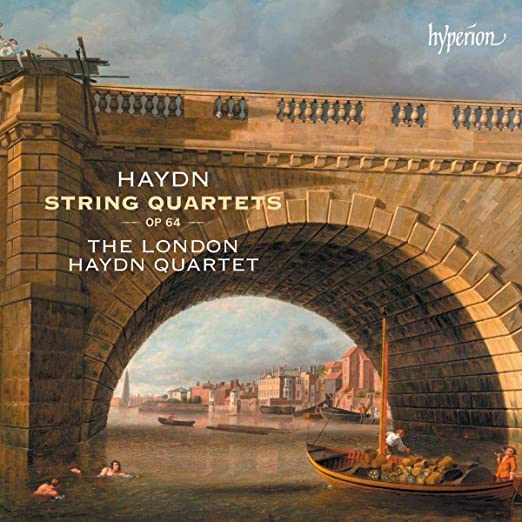
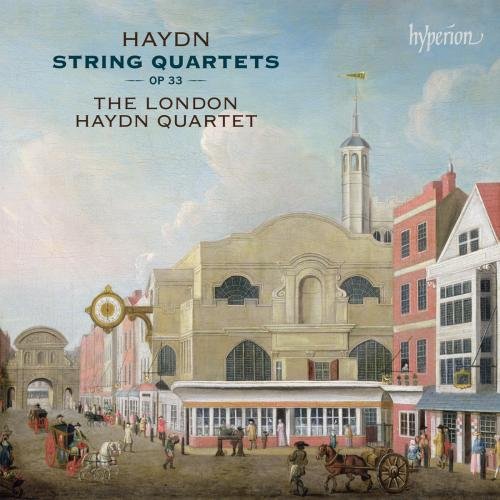
Haydn’s string quartets are without question his magnum opus for me - not a single dud in his entire output op. 9 onwards. The London Haydn Quartet has been recording them for over ten years. Especially in the later quartets, the softer grained sound from gut strings makes these works sound much more natural than with modern instruments, and the interpretations make full use of this sound world.
Otherwise, what sets the LHQ apart is their willingness to let individual instruments break apart before rejoining the group, which adds a tension arch to these works that goes deeper than their surface charm.
This series is shaping up to be one of those rare ones, where it’s not just on balance an overall recommendation, but any individual volume could be picked as reference recording.
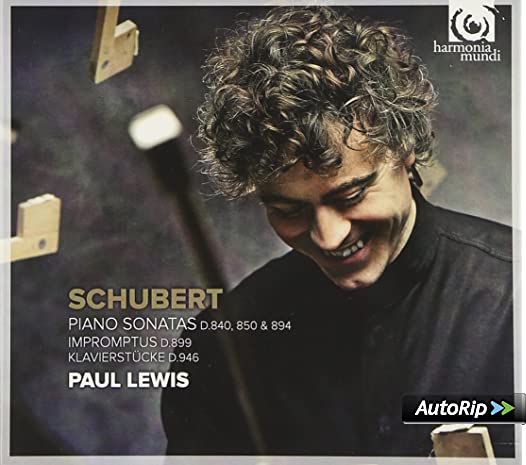
My Schubert experience started with Pollini’s D960 and it’s a performance I continue to enjoy, but it was Steven Kovacevich who unlocked its secrets for me. Since then I’ve attended recitals by Perahia and Brendel amongst others and acquired a dozen recordings - all shedding a different light on this endlessly fascinating work. Most recently I’ve been listening to Alexander Lonquich a lot - a recent recording on Alpha.
Thank you all for the D960 recommendations which I am looking forward to exploring. A few years ago I heard Richard Goode play this at R
eading Town Hall - a superb spellbinding performance. If I can find something to match that, it will be a magical moment.
The Russian Easter Ouverture has been bugging me ever since I’ve read your original post.
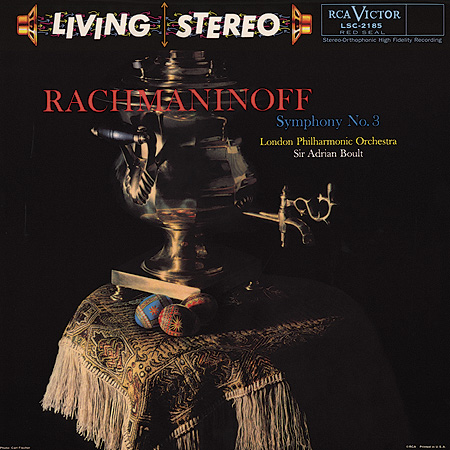
Turns out I have a version of it, buried on an LP behind Rachmaninov’s Symphony No. 3. I discovered it this morning. It’s a wonderful piece indeed - as you rightfully said, pure joie de vivre!
This is the album - the only reference to the Easter Ouverture are the decorated eggs on the table
Well spotted! Not at all obvious from the album cover. I am intrigued as to what Sir Adrian made of it; not normally someone I associate with Russian music.
I think it’s a little game RCA Victor played on their clients - like Easter eggs, you had to search a little to find the candy. In that case, on the back cover.
And to your question, Sir Boult and his merry men (orchestra) seem to have a lot of fun, there’s plenty on PRaT and dynamics on the performance.
A fascinating LP, the Boult Russian music. Sir Adrian was a prolific conductor and his repertoire went far beyond his reputation as a champion of English romantic music. He recorded orchestral excerpts of Wagner, his famous interpretation of Schubert 9th symphony of course, Brahms, some Beethoven and Mozart symphonies, Tchaikovsky and much more.
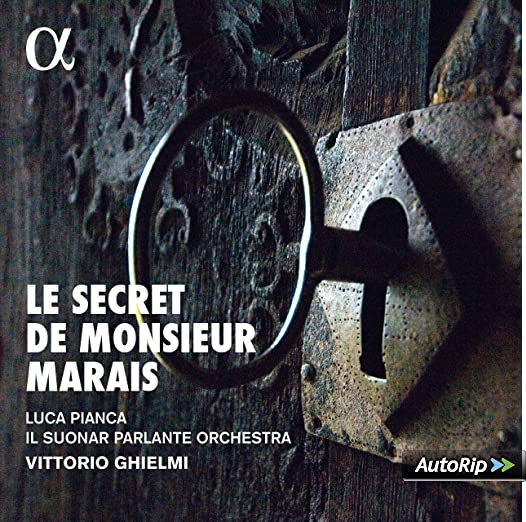
The concept behind this new recording is a new approach to gamba playing. I am not convinced - the orchestral works sound like hotblooded Rameau performed as Fabio Biondi did in the late 90s (i.e. hyperactive but ultimately boring), and the solo works lack any of the charm brought to Marais by masters like Pandolfo, Watillon, Pierlot or Savall. Maybe it just takes time but for now, not my cup of coffee.
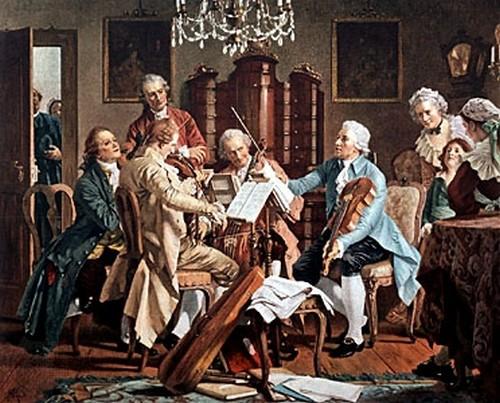
After playing those quartets with Haydn, von Dittersdorf and Vanhal (Dream Quartet), Mozart said it was the first time he felt surpassed by another composer. He started composing his Quartets dedicated to Haydn in the following months.
They are to my ears quite good, see below a review of music web of a part of it
The Festetics Quartet plays on period instruments in a way that enhances Haydn’s harmonic pungency and rhythmic tension–yet they also find time to cultivate a warm, singing tone. This is immensely cultured, intelligent quartet playing, guaranteeing total textural transparency through an absolute equality of balance among the four parts. Tempos can be on the slow side, but always with a purpose. For example, the unusually leisurely opening movement of the famous “Emperor” Quartet allows the players to make the most of the bagpipe-led country dance that forms the climax of the development section, and of the whole movement. As to the music itself–well, the eight and a half quartets included in this generously filled, three-disc set represent a pinnacle of Western music unequaled for their combination of intellect, humor, pathos, and joy. No one else comes close to the wonderful synthesis of emotions that characterizes Haydn’s mature work in the medium that he invented. Not Mozart, not Beethoven–no one. They are, like Shakespeare’s plays, a unique moment in the history of art in which all of their contrasting elements coexist in a state of perfect balance–“classical” in the truest meaning of the word. These lovely performances only serve to confirm their stature. You should hear them.
Hi EJS, I agree, the Festetics Quartet provides acceptable performances, but no more than that. The LHQ digs more deeply into the music and to me sounds more “period/authentic”.