I have the 2009 Speakers Corner reissue, which I asume is the original.
I fully agree with your appreciation of the music, and on Messiaen’s influence.
Claude
I have the 2009 Speakers Corner reissue, which I asume is the original.
I fully agree with your appreciation of the music, and on Messiaen’s influence.
Claude
See if you can still find the TOS reissue from last year. It is really extraordinary, and well worth replacing your SC copy. I just played it earlier this week. You’ll throw Speakers Corner in the bin. 
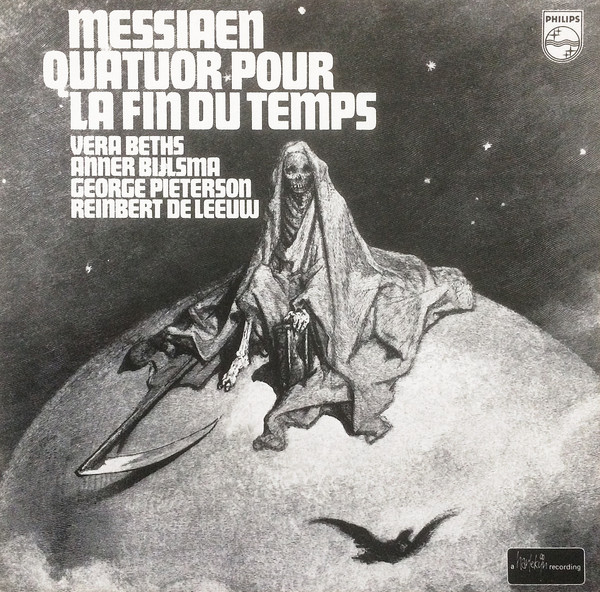
Have you by any chance heard this version on Philips? It was the first version I had and I think it’s fantastic. With Bylsma, Pieterson, de Leeuw and Beths. It’s really the version I bonded with on this work originally, and is still near and dear to me.
Best classical record cover, ever!
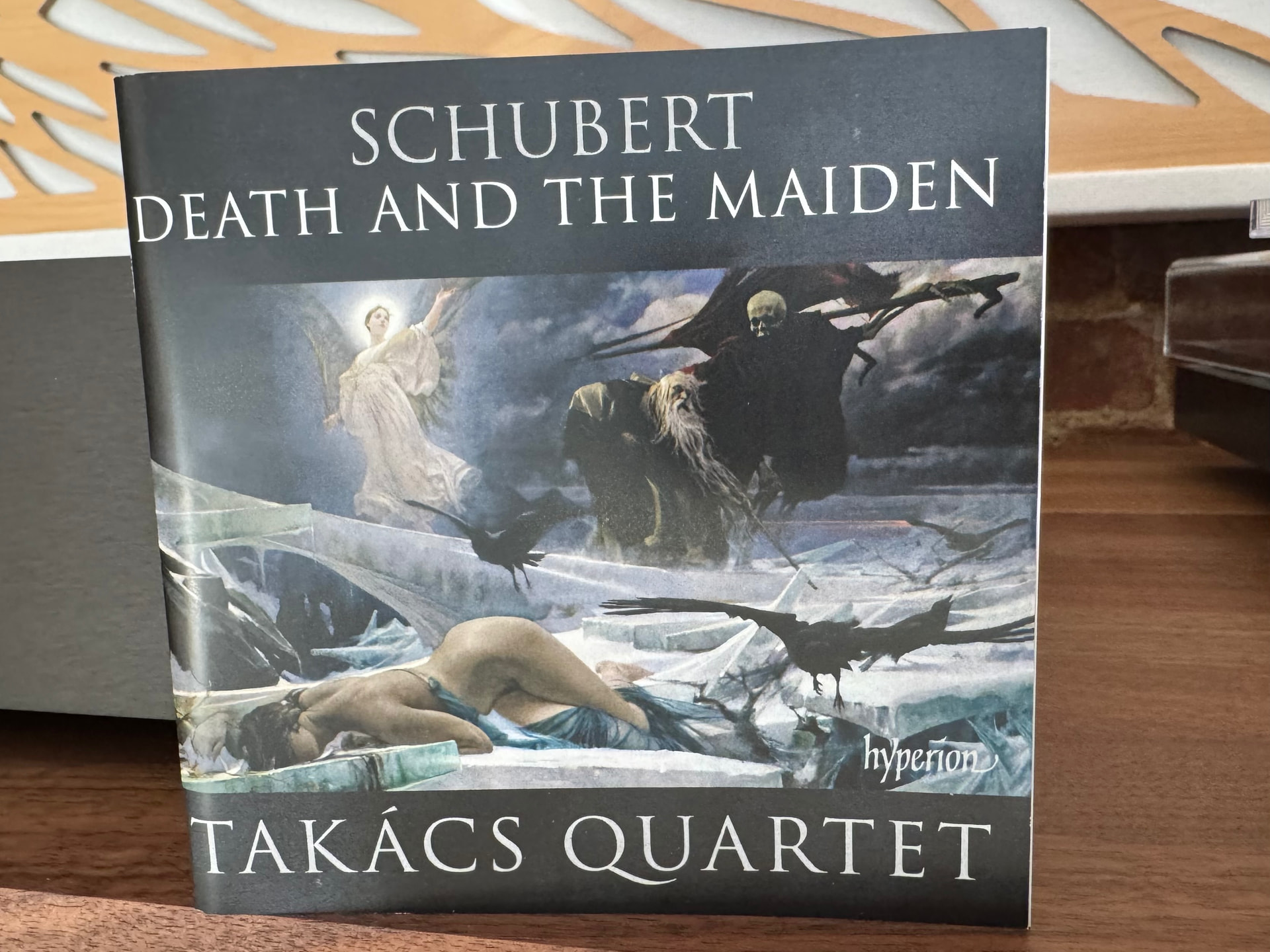
also a metal classical cover, takacs on Hyperion doing Schubert “death and the maiden. Or as @Rigsby21 called it in the 2026 what are you listening to thread, “death and the Iron Maiden”:
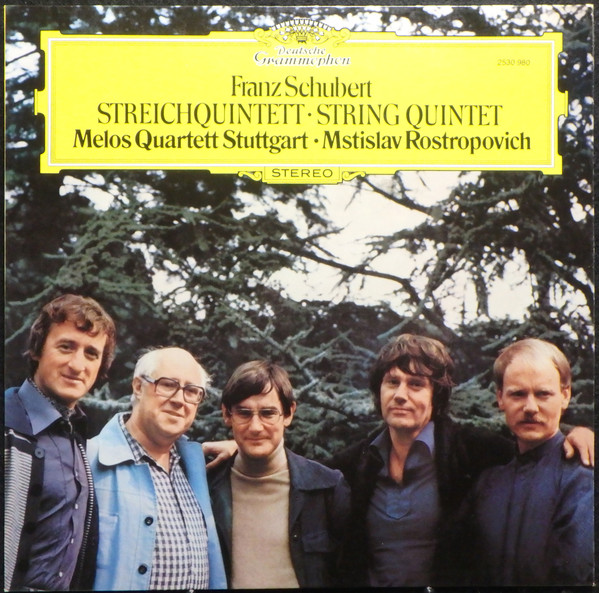
This is one of my favorite quartets. My personal benchmark is the Melos Quartet on DG from 1975, but I added this to my Qobuz “Listen Later” list to play.
I heard Takacs last night at Carnegie - Haydn though, not Schubert - amazing.
Melos is fantastic in Schubert. The Melos D.956 with Rostropovich is top of my stack.
Oh, yeah, for the quintet, D. 956. I have that too on vinyl. It’s great.
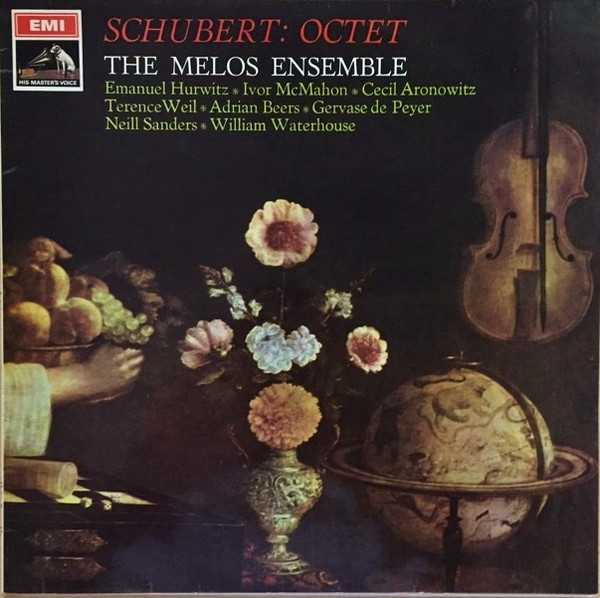
I also love the Melos Ensemble on EMI for the Schubert Octet.
There was always talk in the record reviewing ‘industry’ of Medinah Temple sounding great for RCA in its golden era with Munch but after the air con refurb sounding far less good for Solti and Decca. There’s a rather waffly YouTube review of the Solti Rite that tries to address the sound quality issue (look for Rite of Spring - Wrong Doing! - I won’t link here). That Decca choose Medinah may say as much about convenience and tradition than sound quality of the venue though they did always say it was their preferred venue.
Think of the problems Decca had with Kingsway Hall in London and the use of an ‘inverse’ Kingsway filter. None of these recordings were intended to be issued with audiophile ‘flat and open’ mastering - a bit of ‘the wider you open the window the more muck flies in’.
I don’t know what venue Decca chose Medinah over. Just my twopenneth DGP
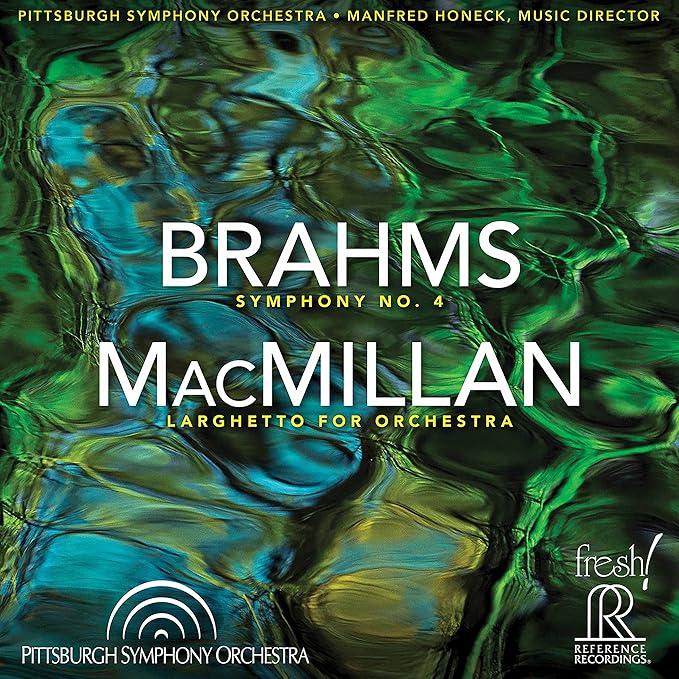
Listening to a recent BBC Radio 3 ‘Building a Library’ episode led me to buy this Reference Recordings, Honeck/Pittsburg SO performance of Brahms 4th Symphony.
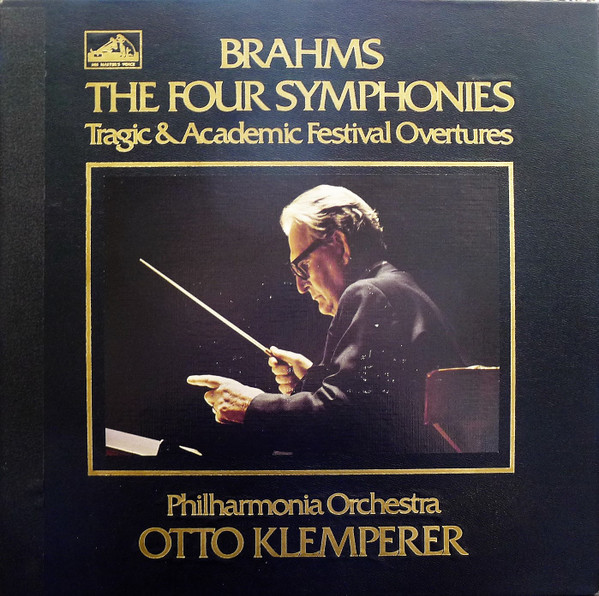
It sounds great (for digital): bright, colourful, exciting, a seat of the pants live performance caught on the wing superbly by Reference Recordings. And yet I struggled through the first 2 movements before feeling the need for Vinyl and a more measured interpretation. Cue up the mighty Otto. Aah! That’s more like it. Less is more. There’s so much going on in this score that it just needs to be played evenly, without emphasis on any particular twist. That way, it sounds more of a piece and less episodic. Klemperer is the master of doing this.
I tried to think of an analogy that might help exemplify Klemperer’s approach to a score as compared to his rivals. The best I could think of was from the world of Formula One, so apologies if this makes no sense to most, but there’s a flowing sequence of corners early in the lap at Suzuka in Japan known as the esses - a left, right, left, right, left, left sequence of corners where the quickest way through is to always consider how the exit of one corner leaves your car set up to enter the next one, rather than trying to be quickest through any individual corner. With Klemperer you can sometimes wish he would play a certain section the way a.n.other does it (and makes your spine tingle) but as you continue listening beyond that point you realise that by not overdoing that particular section, the ongoing flow of the movement is more cohesive and the structure of the whole piece is better revealed. Something like that anyway..
I’m waffling. Apologies!
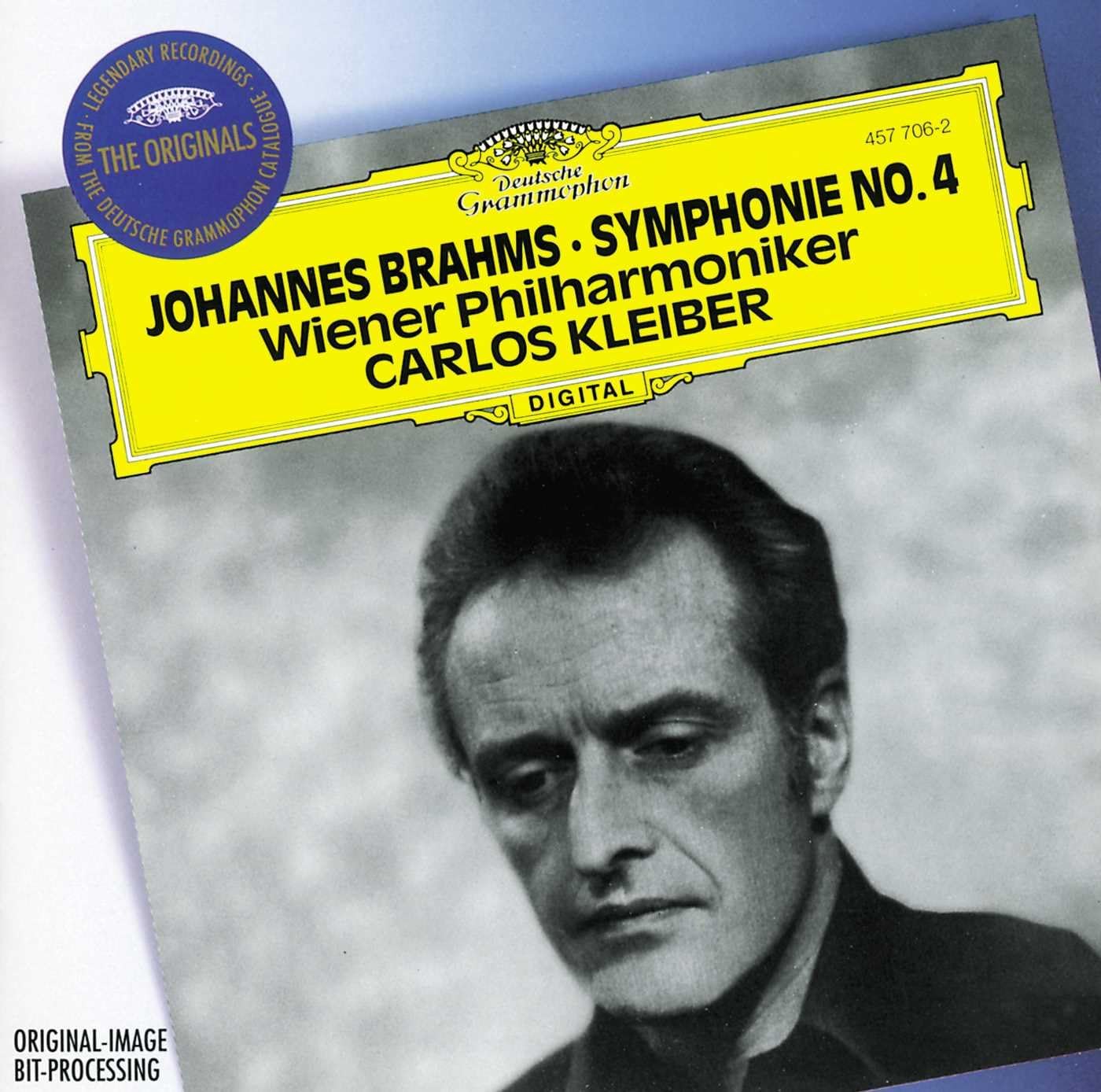
Not the worlds greatest ever fan of Brahms’ symphonies but No 4 in this performance is an exception:
It grabs you from the first bar and never lets go. I know very little about motor racing, but the final movement is marked energico e passionato and this version certainly has the energy and passion of a race. Thrilling!
Roger
That’s a legendary version of course Roger. Funnily enough, the R3 building a library basically set the Kleiber/VPO recording as the benchmark. Manfred Honeck (conductor on the Reference Recordings disc) was a player in the VPO under Kleiber in his recording. He was apparently a big fan of Kleiber’s approach and when he came to conduct the work himself he modelled the style on Kleibers approach. R3 chose the Honeck because as a modern digital, live, audiophile recording they saw it as an even better choice.
I agree that it ‘sounds’ better than the Kleiber, but I’m not convinced it quite deserves the nod over the marvellous Kleiber version.
Actually I was surprised how well the 45 year old recording stands up even through my revealing ATCs, though I’ll give the Honeck version a listen soon.
Funnily enough Brahms 4 was the last piece I heard in concert (about a week ago). Thoroughly engaging performance by the Hallé orchestra. Not in the Kleiber Vienna Phil league, of course, but hearing things live always brings that “something extra”.
Roger
Honeck comes in hot in pretty much everything. He’s got an interpretation, and he’s got the orchestra and engineers to make sure that it gets onto the disc.
Sometimes it’s more successful than others.
I will say, though, that I find it compelling to have a conductor like that. I’ll buy anything that Honeck/RR release, even if in the end it’s just to bitch about it. Most of the time it’s not: his Beethoven 5 for example was revelatory. But even when it is, it strikes me as a gesture toward his and his band’s talent: he took a risk and crashed and burned. Bernstein was like that, too.
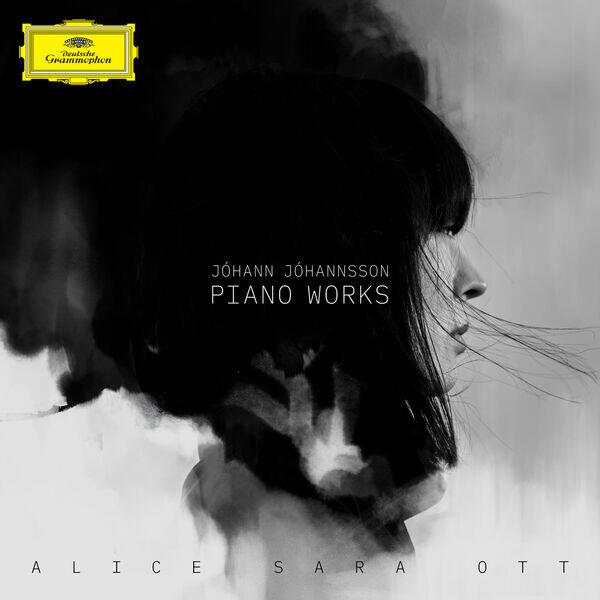
I put this recording on last night while I was cooking dinner and I had to keep turning the stove off while I listened more carefully to the music. It’s great that Alice Sara Ott has released another recording of piano music that one just doesn’t come across otherwise.
Continuing the resurgence of using small uprights on recordings. Sounds as if they put the mikes inside the enclosure, in this case my Wilsons make it sound larger than the actual instrument.
Wilson speakers do that “it sounds like they mic’d it inside the piano” thing especially well. That was what stood out to me in particular when I was auditioning Wilson vs. Magico. It’s distinctive.
Dunno which Wilson speakers you are referring to but my WATT 6 does not do that. They just disappear and very not directional no matter where the listening position is. The only speakers that projects music like that.
Wilson loudspeakers that I listened to: WattPuppy 50th Anniversary driven by Naim 300/333-300/332-350s, AlexxV driven by MSB Premier-Gryphon Antileon Evo. Could have been those speakers, those setups, those rooms, and/or my ears of course!
BTW, the AlexxV, which was way out of my budget, did as good a job of reproducing a concert hall as I’d ever heard. I had listened to the Cleveland Symphony Orchestra perform Shostakovich 11 in Carnegie Hall a few nights before, so I played the excellent Lazarev/Royal Scottish recording through the AlexxVs as a comparison. The AlexxVs couldn’t give the recording quite Carnegie’s scale and shape and power, but they made a very credible effort.
That’s very cool about the non-directionality you are describing. I was not testing for that.
SabrinaX in my case, at the end of Accuphase Class A separates. I wouldn’t be able to afford them today but a few years ago it was the smallest speaker I could find with the sound I wanted.
That’s a great speaker. Congratulations on getting in before the price hikes!