Thanks for the recommendation, I hadn’t come across this one. I have some other Danny Driver recordings and particularly like the Faure ‘Theme and Variations’.
Just saw the film Youri in the cinema. A very moving story based on real life events, depicting the friendship between a young struggling journalist who aspires to being a novelist and the concert pianist Youri Egorov, who died in 1988 at the age of 33. Lots of scenes depict the actor who is playing the role Egorov behind the piano, with Egorov’s recordings serving as the sound track. I was moved to tears.
1 Like

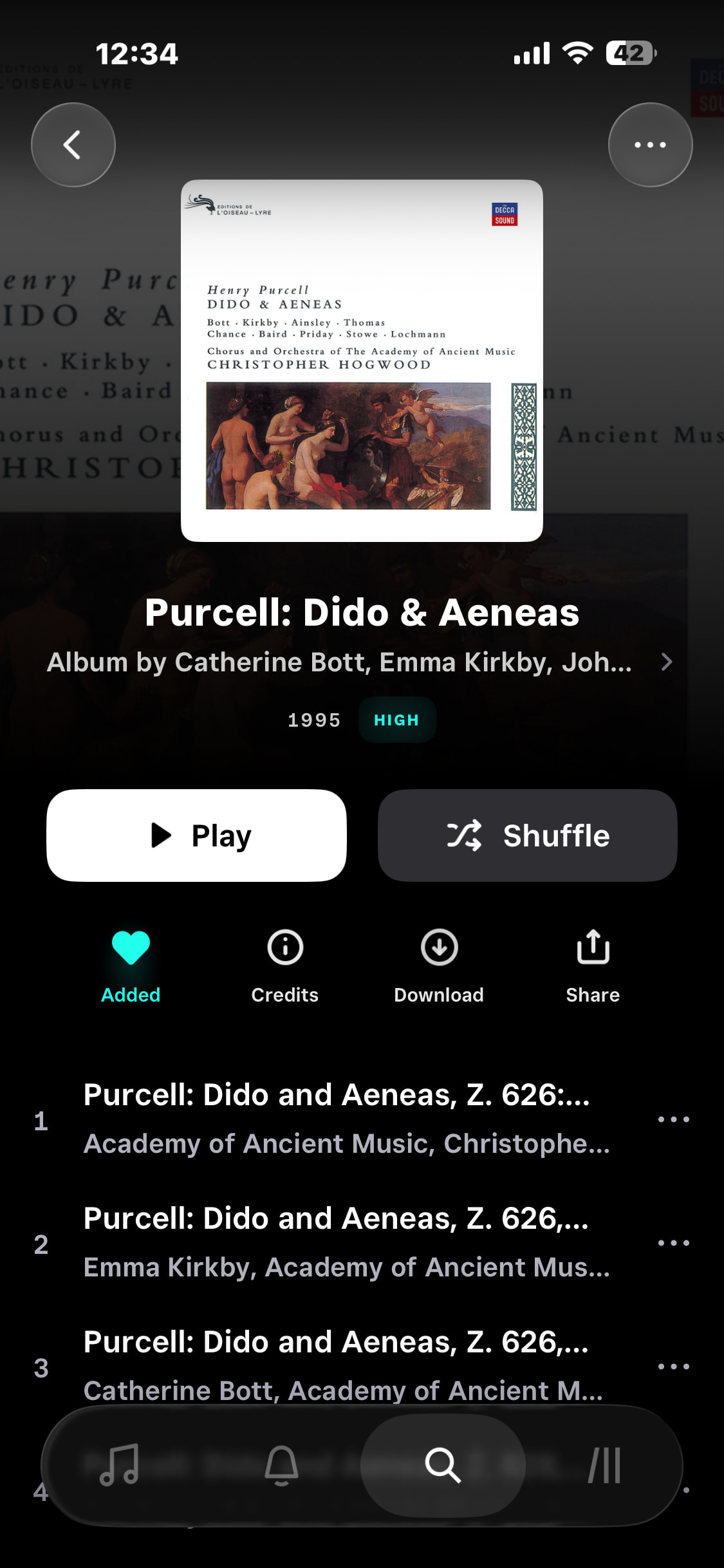

Glass’ first violin concerto is such a cool work, and it pairs well with Barber’s op. 14 and the new work here, the partita by John Zorn. Zorn’s work lacks the melodic minimalism of the Glass and Barber (3rd movement) and to my ears sounds a bit like Bach channeling Schoenberg.
Wonderful album in great sound and presentation as well.
Cheers
EJ
4 Likes
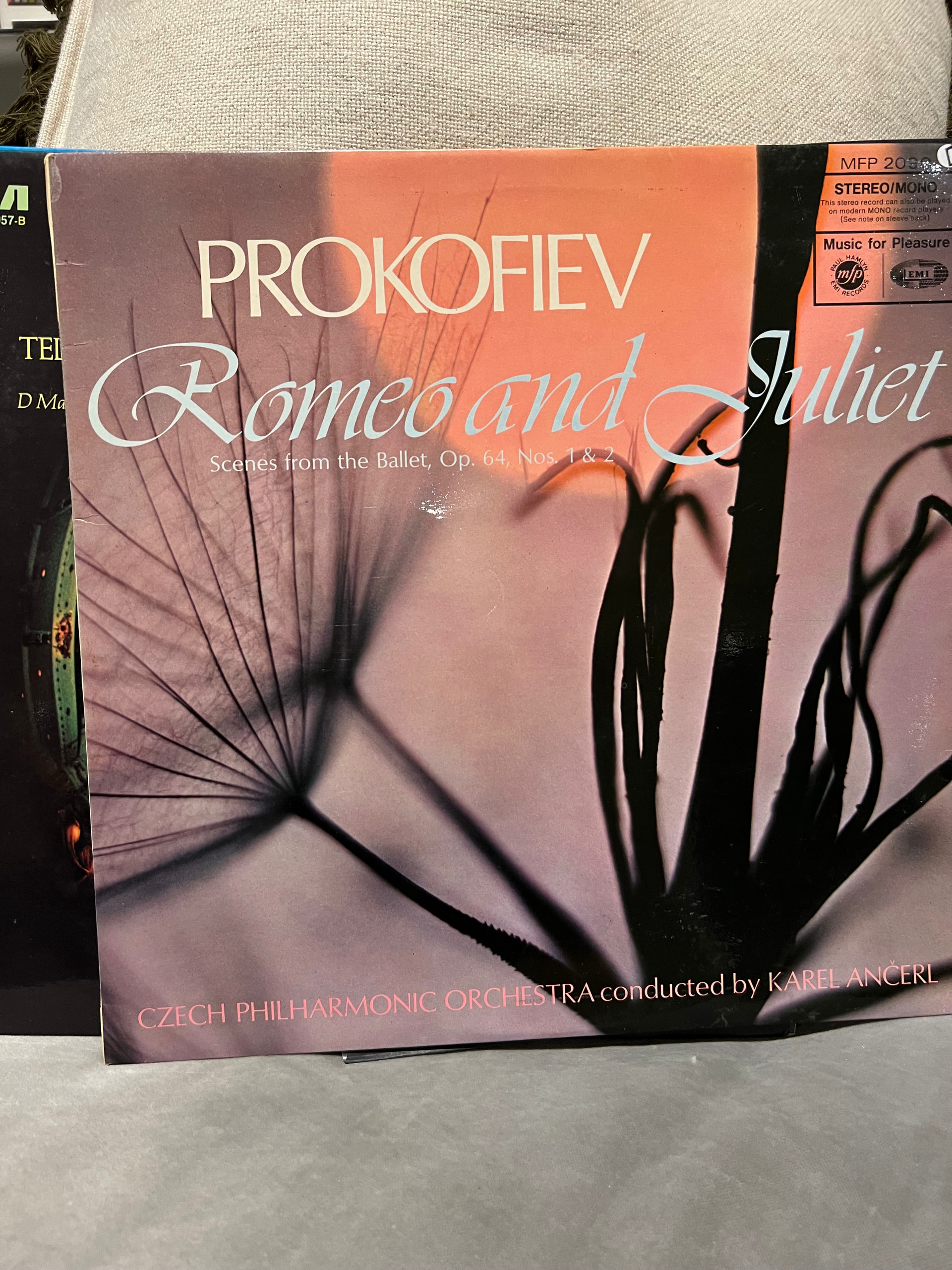
Extraordinary experiences listening to this charity shop buy this evening. Karel Ancerl and the Czech Phil playing a selection of Prokofiev’s Romeo & Juliet suites. A scratchy, ticky copy of a cheap Music for Pleasure repress of whatever the original recording was (Supraphon?), but the music is intensely moving.
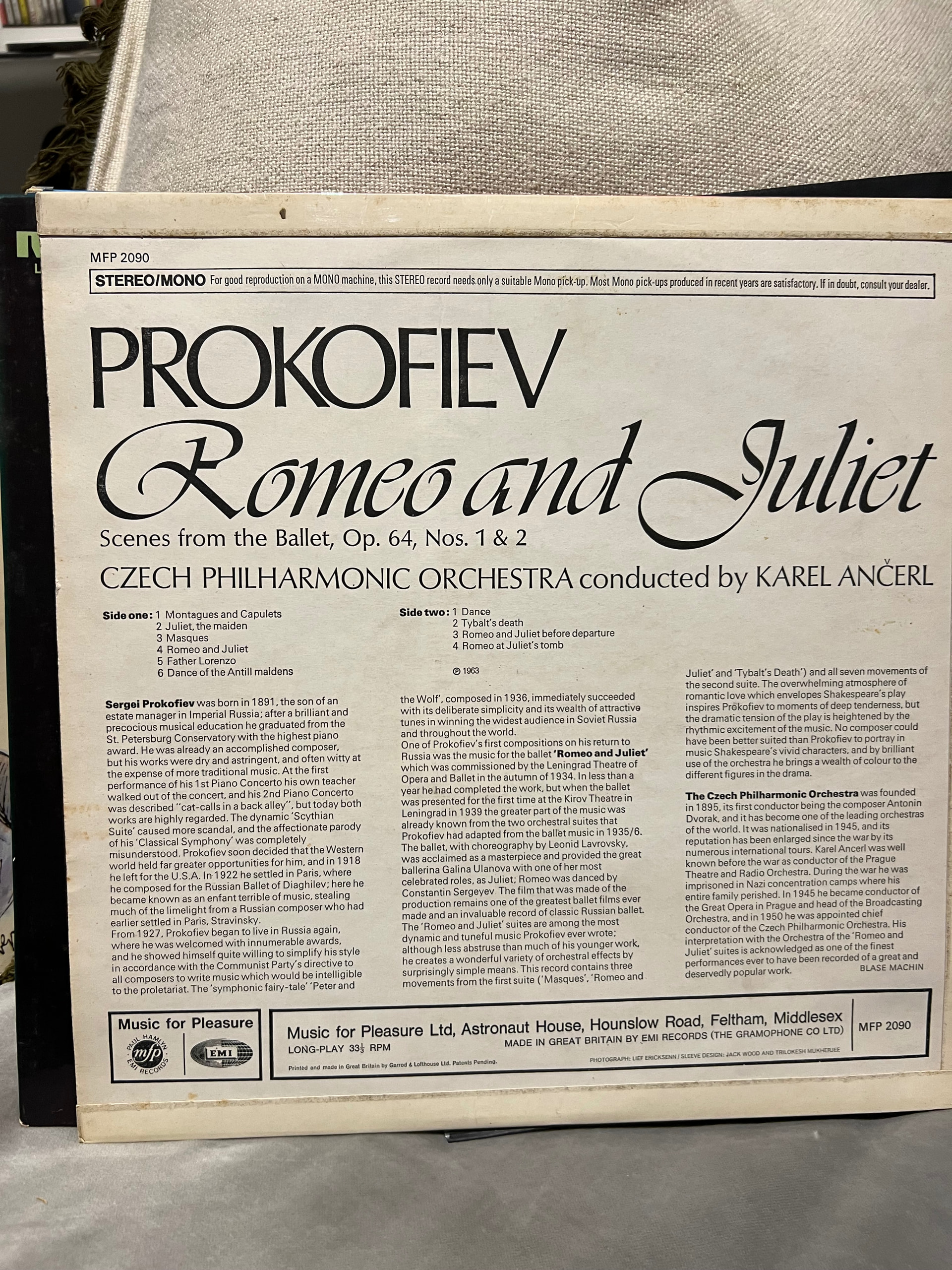
The final selection on side 2 is ‘Romeo at Juliet’s Tomb’. I read in the sleeve notes(below) that Karel Ancerl was imprisoned in a Concentration camp when the Nazi’s overran the former Czechoslovakia. His entire family died there. I can only assume that Ancerl’s incandescent performance here is somehow informed by his own immense accumulated grief.
The music touches my nerves with white hot pokers.
5 Likes
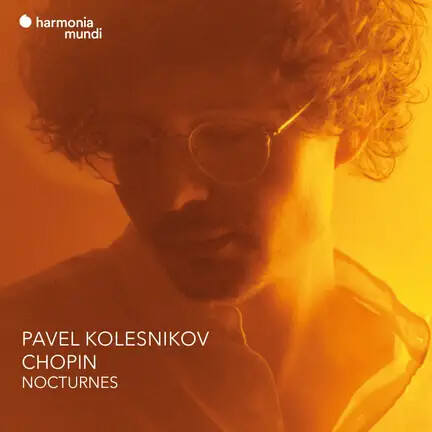
Kolesnikov takes more than a few freedoms on his new recording of the nocturnes. He does often reach the emotional core of these works but he plays them differently than anyone else. Beautiful and surprising.
Cheers
EJ
5 Likes
About as good a rec as one can receive. I’m on it.
I agree - just been listening to this recording.
The sound quality is excellent, and as you say, his playing is very different - and I like it - mostly.
Some of the pedaling is bit OTT, but it’s a fine and engaging performance.
Rubenstein remains my ‘reference recording’ as I’ve known it so well for about 50 years.
But this recording along with Nelson Freire is a close second.
Great recommendation!
Thanks
2 Likes
Always difficult to say how a new recording slots in a list of old favourites. Kolesnikov shares his personal dreamscape and shouldn’t be coldly compared to others. But if I’d do that anyway, I’d say his interventions (it’s not just pedalling or accents, he changes and adds notes) guarantee it a place on the shelf. Whether it’s next to rather than a favourite itself time will tell.
2 Likes
Worthy of further investigation, methinks.
4 Likes
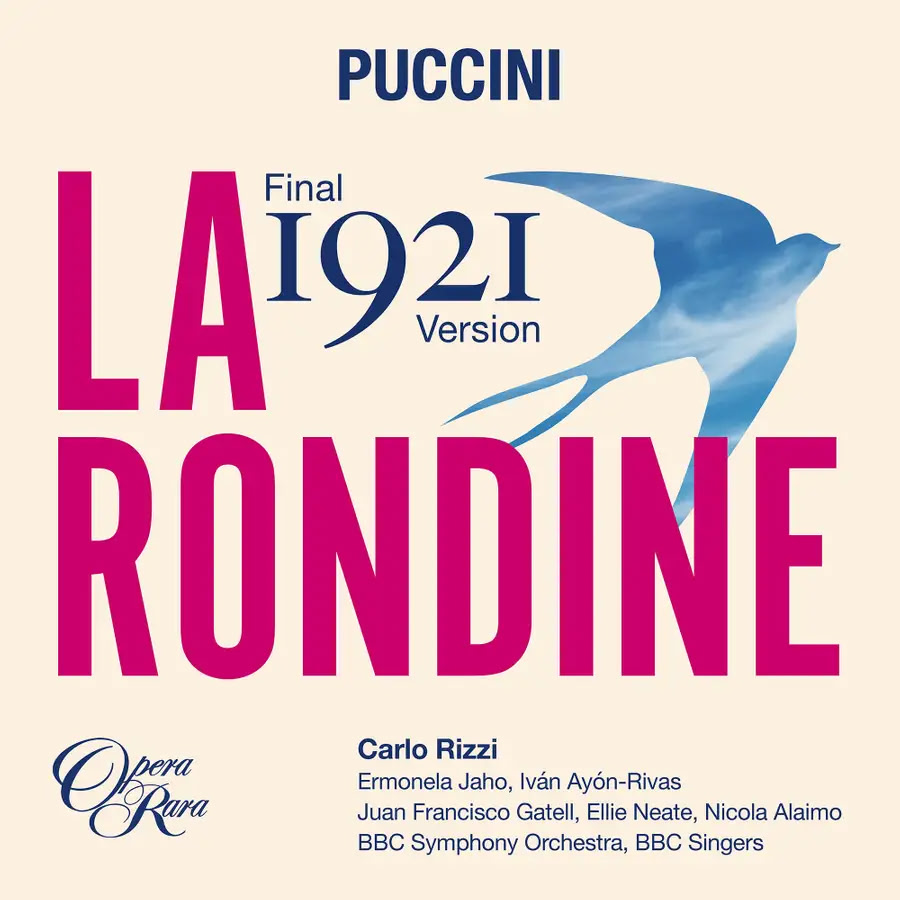
Opera Rara’s latest covers more familiar ground with Puccini’s version of La Traviata, La Rondine. It is Puccini’s most flawed opera, but since Puccini at his worst is still among opera’s best, that’s no problem. It’s a lovely listen, just a little tonally uneven. This new recording joins an exceptional list of previous recordings, all of which are recommendable, but this is the most complete yet. Puccini kept tinkering, and this is based on the final and dramatically best version with added scenes from earlier editions in the appendix.
Cheers
EJ
2 Likes

Say has a number of fantastic records to his name, but this one is unique. The way he extracts the pathos from the canons and then processes this melancholy in the variations that follow each, Bach emerges as a pure romantic, a journeyman teaching Schubert and Chopin how it’s done. Yet nothing is overdone. A desert island disc.
Cheers
EJ
4 Likes
Dvořák’s Rusalka is a favourite of mine and years ago I bought the famous version with Renée Fleming and Charles Mackerras, confident that as it had won Gramophone Recording of the year it must be the best. In his review in Gramophone Magazine, Edward Greenfield compared it with an earlier version conducted by Vaclav Neumann:
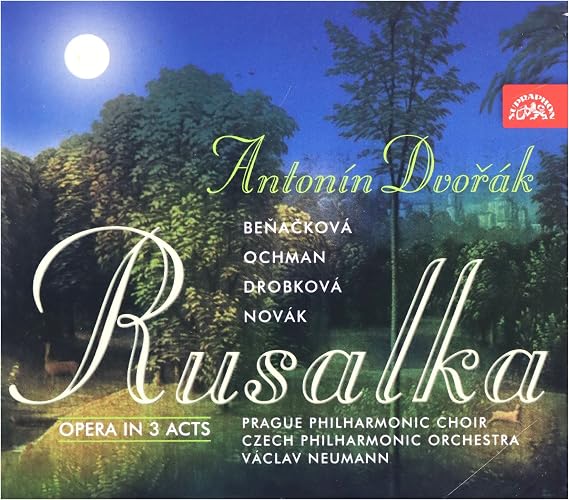
In every aspect, singers, conductor, recording, he preferred the newer version. Then, just a week or two ago I came across another comparison of the two recordings by David Hurwicz with absolutely the opposite conclusion. I’m no fan of Hurwicz but was intrigued enough to treat myself to a new set of CDs and do the comparison myself.
I can now understand the differing views. Fleming/Mackerras is an extremely fine example in the romantic grand opera tradition, but for me this is a tragedy of a naive soul meeting an indifferent world and Benackova’s lighter and faster rendition conveys that innocence more convincingly. I enjoy luxuriating in the F/M recording but the earlier version had me pinned to my seat throughout. To my great surprise this would now be my desert island choice.
Roger
5 Likes
I used AI to see how, if at all my reactions to the music in D.960 were felt elsewhere. The results were interesting. No spoilers!
Could be your prompting?