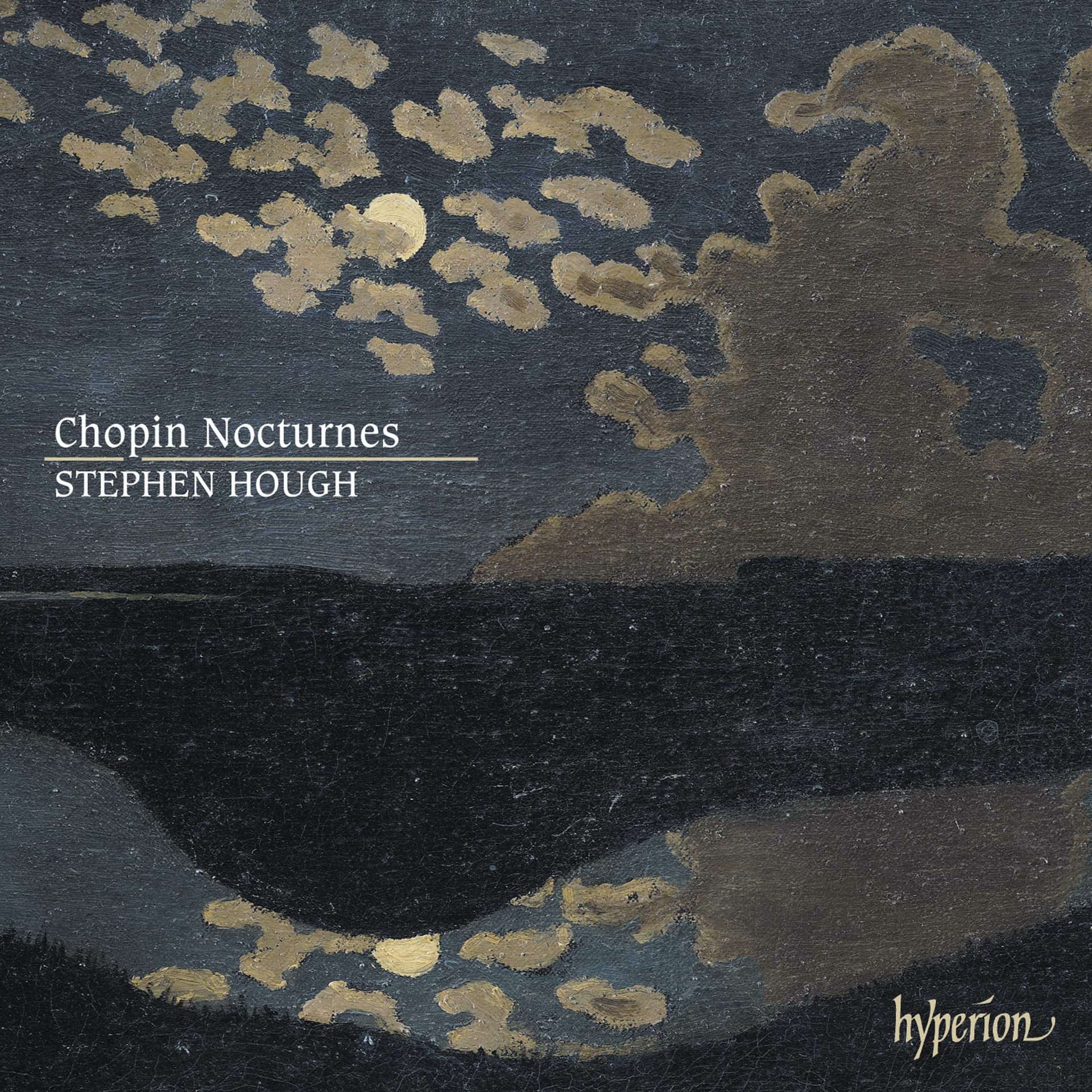
Been spending some time with this new album from Stephen Hough. As with many of his recordings, he has taken a fresh look at the music and has produced the musical equivalent of stripping the varnish from old masters. He sees the Nocturnes as emerging from Chopin’s love of songs and then writing songs for piano. The result is that themes emerge more clearly without overly romantic indulgence. Tempi, faster than usual, are often based on Chopin’s own metronome markings.
It makes an interesting comparison with Rubinstein’s various versions. Hough does not displace my love for Rubinstein’s magisterial way with Chopin, but it is a worthy alternative and will figure frequently in my future listening.
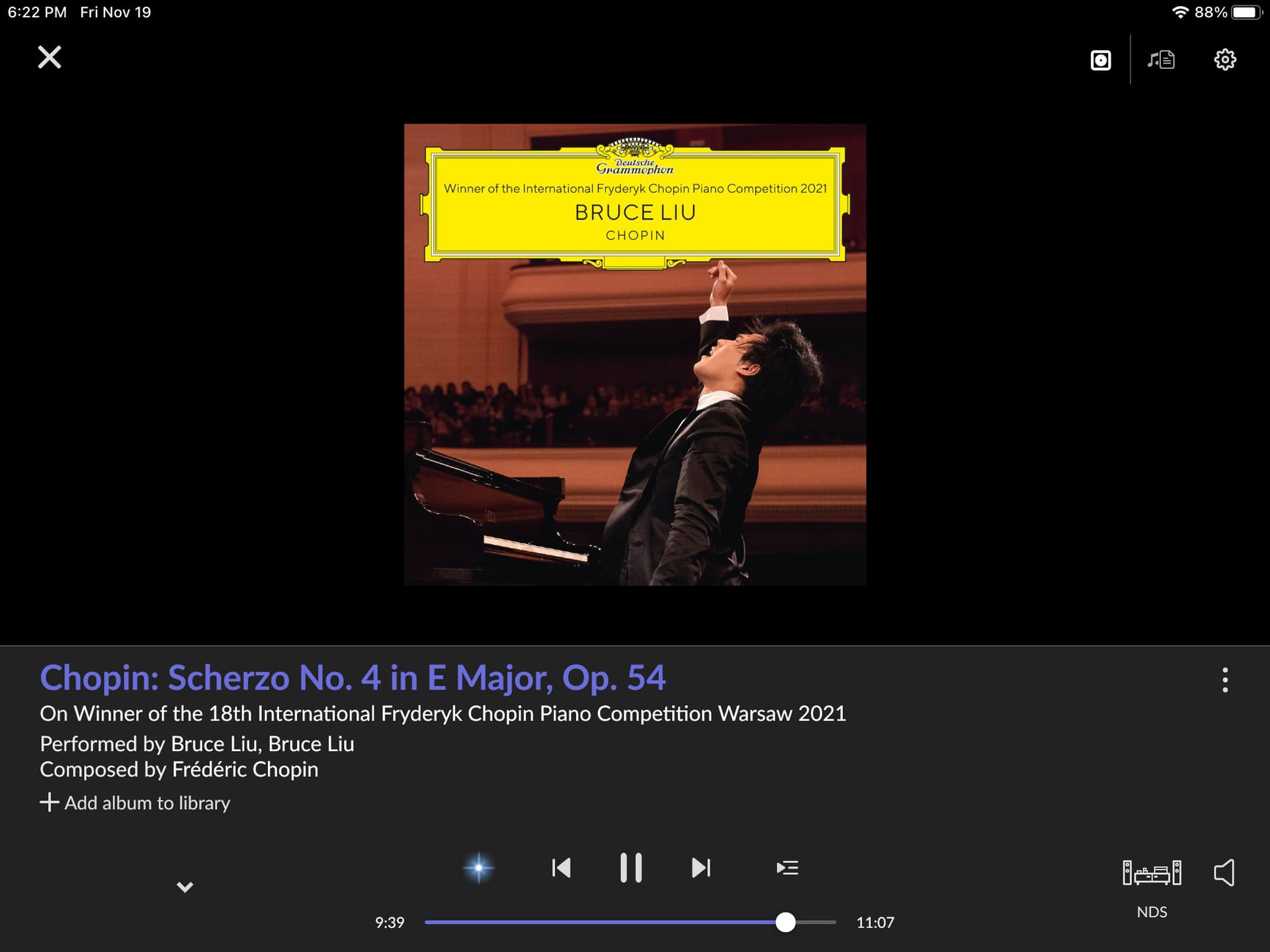
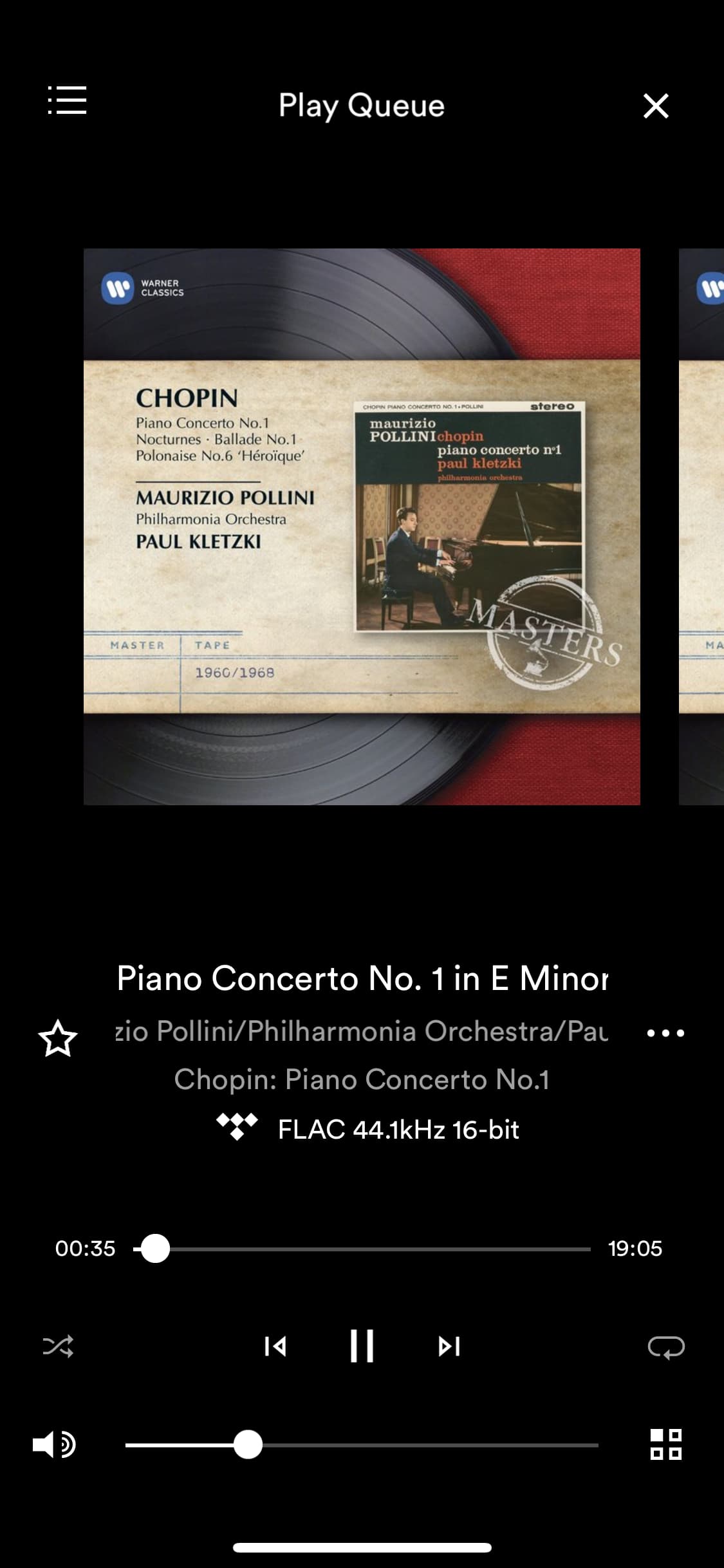
Roger (or anyone who likes Chopin’s music), try to find time to listen to any of Maurizio Pollini’s recordings. There’s a famous 1960s recording of the First Piano Concerto (now coupled with some solo pieces) made for EMI shortly after he won the Chopin Competition in Warsaw.
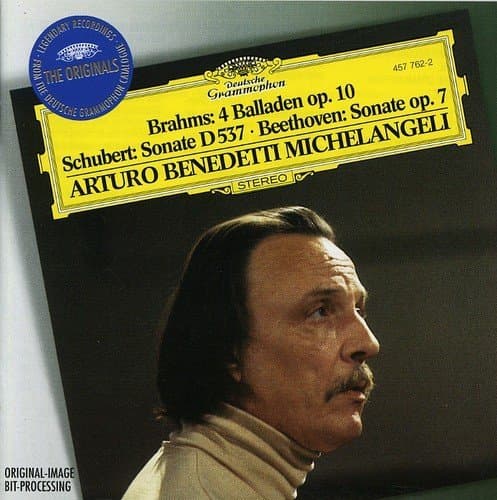
Then, after a break and further study with Michelangeli, no less, he began a series of wonderful recordings (of Chopin, plus all the great Classical masters) for DG.
Yes, that was Pollini’s first ever recording. He made one other recording (solo Chopin piano pieces) for EMI before taking his ‘break’, then coming back with his DG recordings some years later.
Well, I’ve done some more comparing and, at least in the Nocturnes, I find Pollini easy to admire, but hard to love. Just tried Op 9 No 2 again. Pollini plays all the notes with his characteristic precision but leaves me unmoved. Hough, and of course Rubinstein in his early mono recordings, sends shivers down my spine.
I completely endorse your enthusiasm for Pollini’s Piano Concerto No 1 recording, but that, I think, was before he went to study with Michelangeli, another pianist who’s just too strait-laced for my taste.
Of course, we all have our opinions, wouldn’t be much fun if we all thought the same. But do try to track down and listen to the Fourth Concerto, where the Vienna orchestra plays beautifully under Boehm, and in which I hope that you’ll find that Pollini’s rigid self-control slips quite a lot. That’s probably my single desert island Pollini disc (fighting it out with his ‘Hammerklavier’ Sonata).
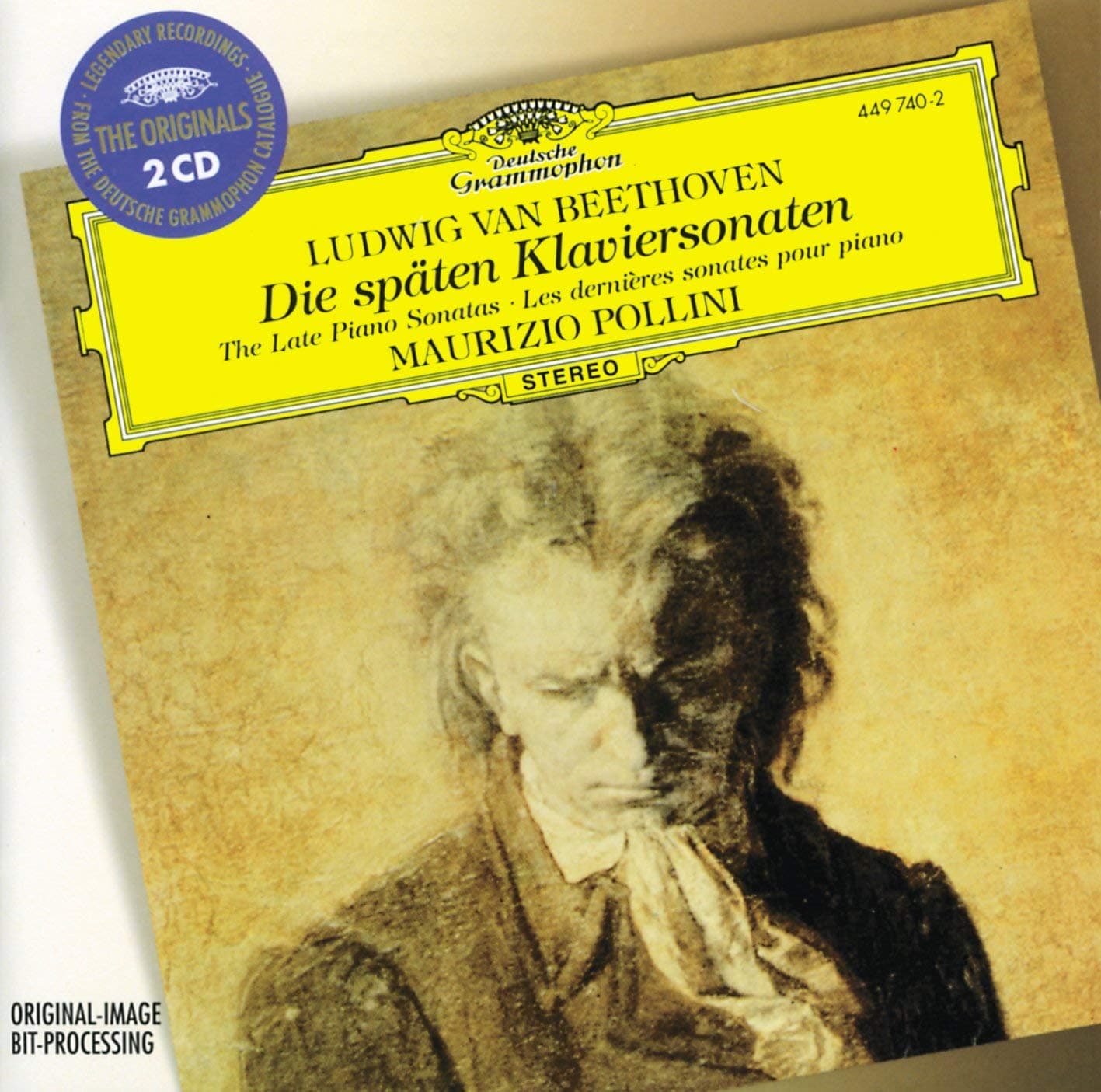
I think that these late Beethoven sonatas may be the best recordings that Maurizio Pollini ever committed to disc. I took the booklet from my LP set to a Pollini concert at the Royal Festival Hall many years ago, and had the great man autograph it. I still have it upstairs.
The LPs are irreplaceable, so almost too precious to me to play. Fortunately, there’s a very decent CD transfer.
A plug for Pollini as one of the all time greats. My personal favorite recording of his are Chopin’s ballads, to which he brings an unusual level of poise.
Definitely need to listen to this album a few more times, my first impression is Hough is not only fast but also at times a bit breathless, there is more music in the silences between the notes than he brings out. Almost diagonally opposed to Lisiecki’s new recording (which I love).
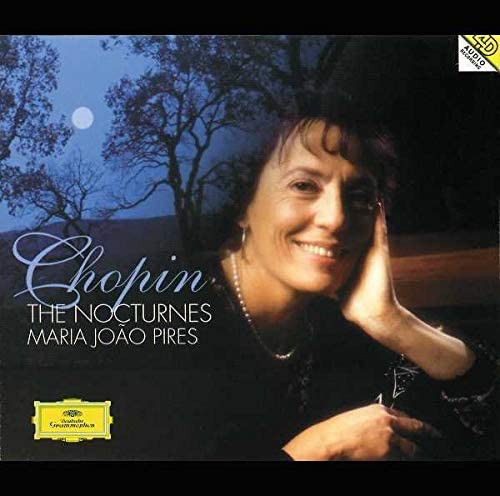
Hough’s heavy use of rubato surely contradicts the idea of treating these works as little arias or songs? For that, we’ll always have Pires in her magisterial account.
One of my favourite Pollini recordings is Prokofiev’s 7th Piano Sonata on DG which probably benefits from his precision. An incredibly exciting final movement.
For a very interesting read got hold of a copy of Stephen Hough’s book “Rough Ideas”. He goes beyond just the music but into the life of a concert pianist which can be just airports, hotel, practice. performance and the whole lot in reverse.
A real polymath: touching on a lot of other things apart from music.
I agree the Pollini DG recordings of the late Beethoven sonatas are wonderful. The commanding integrity and pureness silences criticism, at least for me!
Going back to the Chopin Nocturnes, I thoroughly enjoy Maria Joao Pires’ performances, which are warm, unmannered, yet with totally committed simplicity - in the best sense.
 . But this (Brahms) is utterly magnificent…