A new series for me. This time I am helping fight crime in 1920s Calcutta.
Our hero is a damaged WW1 veteran with a taste for opium. So the usual hero that I find so likeable.
Two decent ‘puffs’ on the cover.
I have never been to India but the heat,humidity and smell come straight off the page.
I listened to Forever Changes the other night with some of the out-takes , he was a bit of a slave driver methinks
Taken me three months to complete Bienville’s Dilemma. Mostly a font size issue but also a book which took a long while to get going. In desperate need of some fiction. So…

1 Like
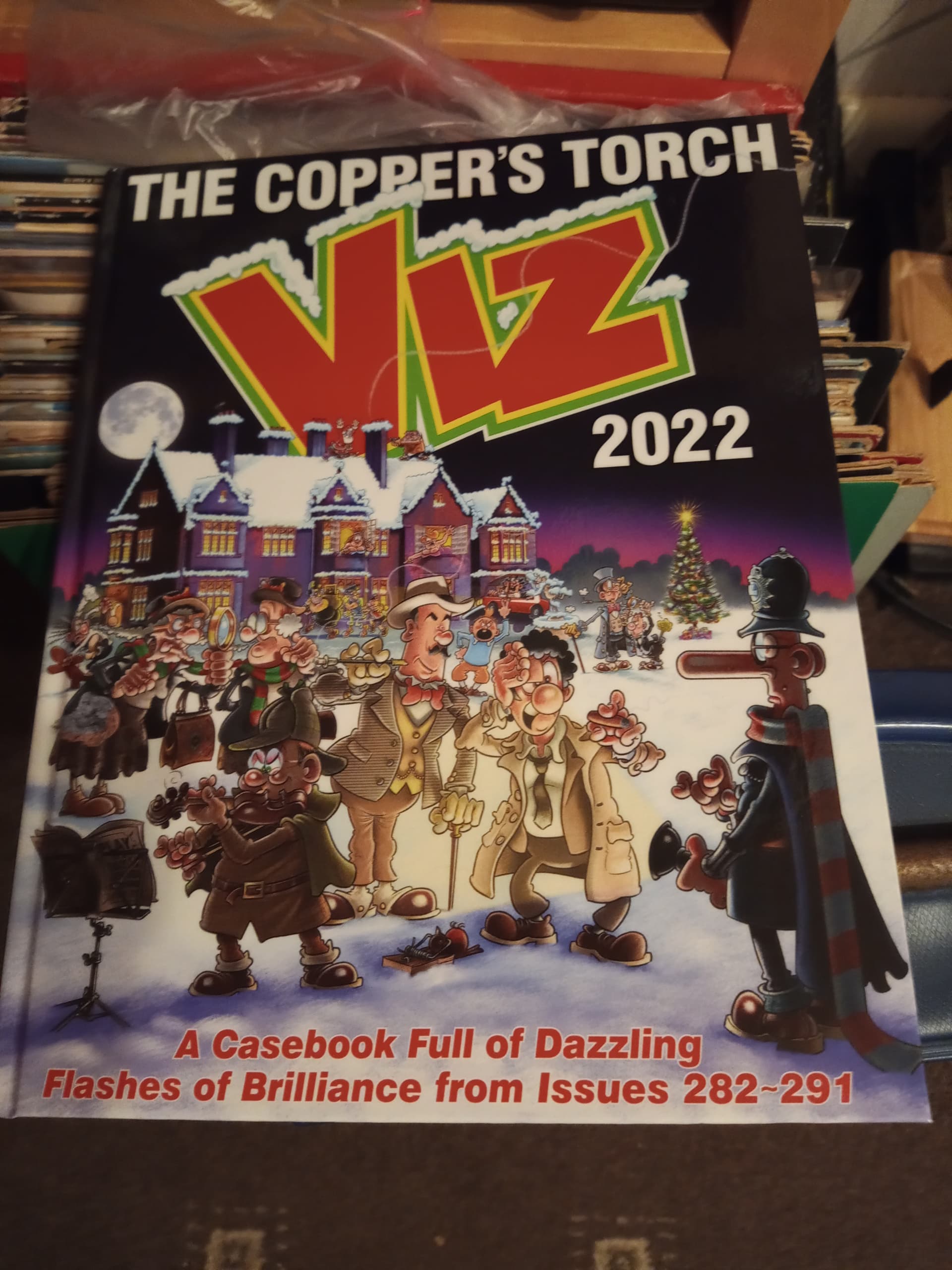
Finished it, eventually, after a lot of not picking it up for days at a stretch. It’s an effort in places but well worth it.
It may be easier to read as a physical book than on a Kindle, given that a book gives easy feedback of progress. The Kindle version is a compendium of all of Elliot’s books so all I could see was that I was 79% through what looked like a never-ending task, then it suddenly came to a conclusion.
Next up: Mill On The Floss, after this:
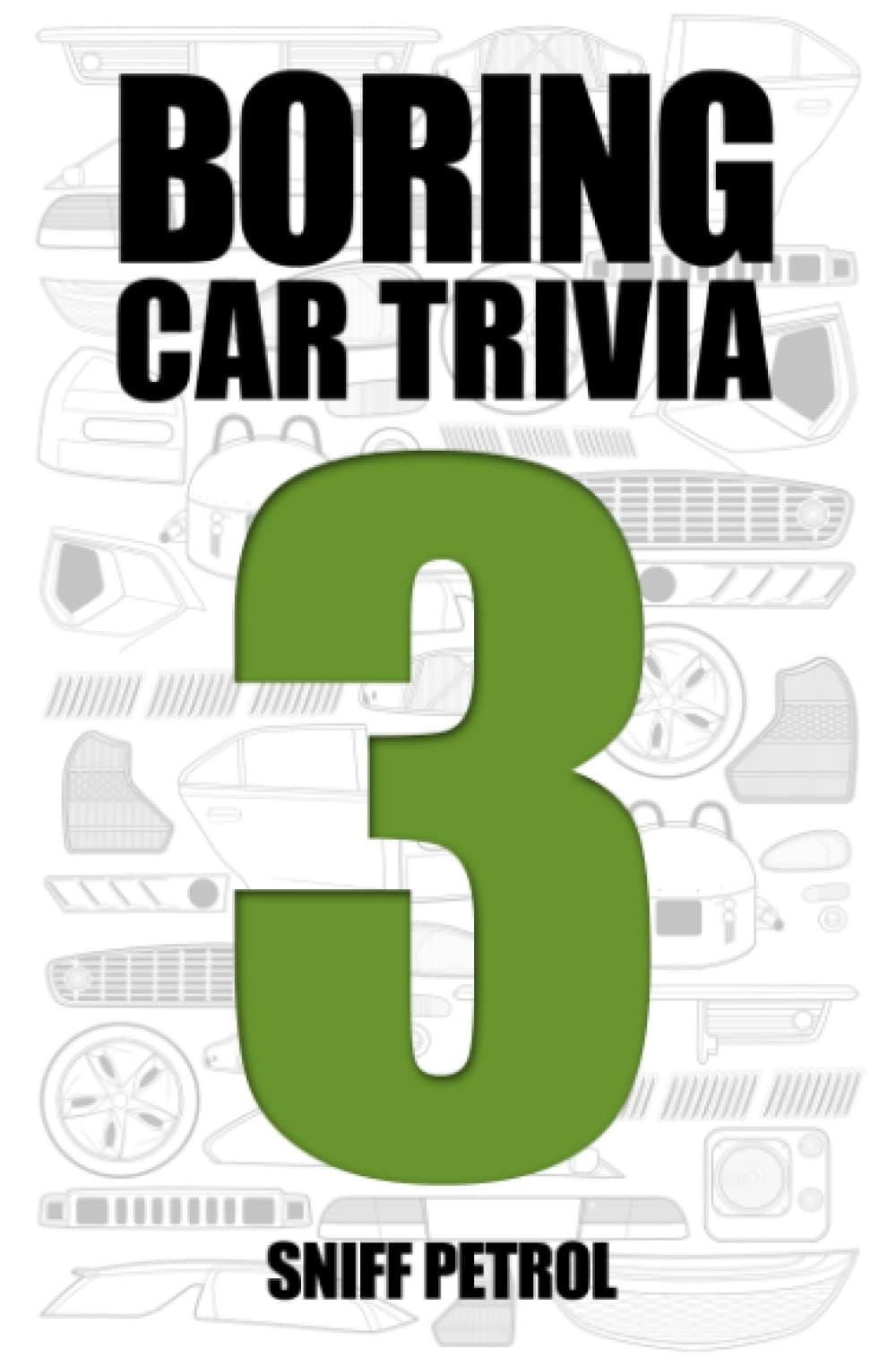
The first two were very good, so this should be too. By Richard Porter aka Sniff Petrol and Top Gear / Grand Tour script editor. He’s a wordsmith.
Finished it about two weeks ago. Enjoy.
1 Like
I read Middlemarch in college. I don’t often reread novels (too many unread ones on my list), but I should pick that one up again.
In the intervening years I read The Mill on the Floss and Daniel Deronda. Both good, but not as good.
2 Likes
I’ve reread Middlemarch two or three times (oh, OK - two). But I’ve reread Catch-22 four or five times.
Despite m’protestations the language of George Elliot is quite easy to latch onto; much like after a week or so of being in Berlin things quickly start to make sense without a lot of effort.
It was reminiscent too of the first time I read Dracula, which had an enormously beautiful language and rhythm that made the story leap from the page.
1 Like
I’ve read Gravity’s Rainbow at least 5 times. It was the subject of my undergraduate honors thesis.
2 Likes
I have made three attempts and only once come near finishing it.
1 Like
There were certainly chunks that I couldn’t follow, especially in the last section, even while writing my thesis. In my defense, this was 1974-5, two years after the book was published, a time when critical analysis of the book barely existed.
The NY Times announced the winner of its reader’s poll of the best book in the past 125 years (celebrating the anniversary of its Book Review). Only one book per author was included among the 25 finalists.
- To Kill a Mockingbird
- The Fellowship of the Ring.
- 1984
- One Hundred Years of Solitude
- Beloved
My three votes of the 25 finalists (of which I had read 19 and started two others, which I didn’t care for) were 1984, Lolita, and Catch 22 (which I wish I could have switched to The Grapes of Wrath. I also considered The Handmaid’s Tale.)
The Times gave no criteria for judgment. My choices were three books that not only had literary merit, but also had an impact on the general public. On a purely literary basis, I would have chosen Proust, but he didn’t make the top 25. Ulysses did, though, as did Infinite Jest.
I don’t believe a single volume of non-fiction or poetry made the top 25.
1 Like
Knowing The Grey Lady, the main criterion was box-ticking. The inclusion of Beloved and TFOTR are particularly glaring. To not include Proust demonstrates what a butt-clenchingly philistine, middlebrow bunch the NYT and its readers are.
2 Likes
Sorry we didn’t meet up in London.
Bear in mind that nominations were from Times readers, not the Times, itself. The Times simply tallied votes, first narrowing the choices down to 25 finalists and then the winners.
I was pretty sure from the outset that To Kill a Mockingbird would win. That book has some kind of almost magical reputation. I would bet that it’s been read by more Americans than any other “literary” novel. I read it back in high school (i.e. 50 years ago) and liked it, but I haven’t looked at it since and don’t own a copy.