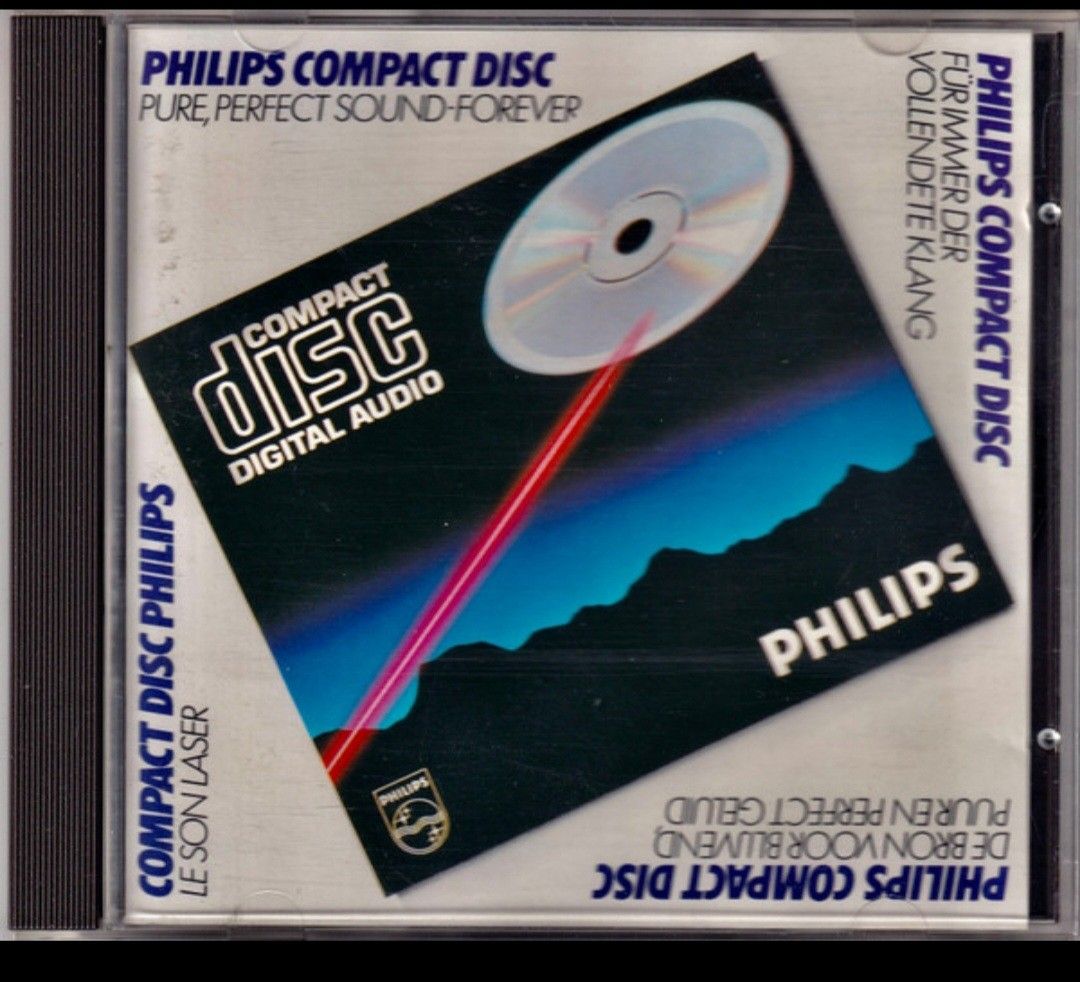
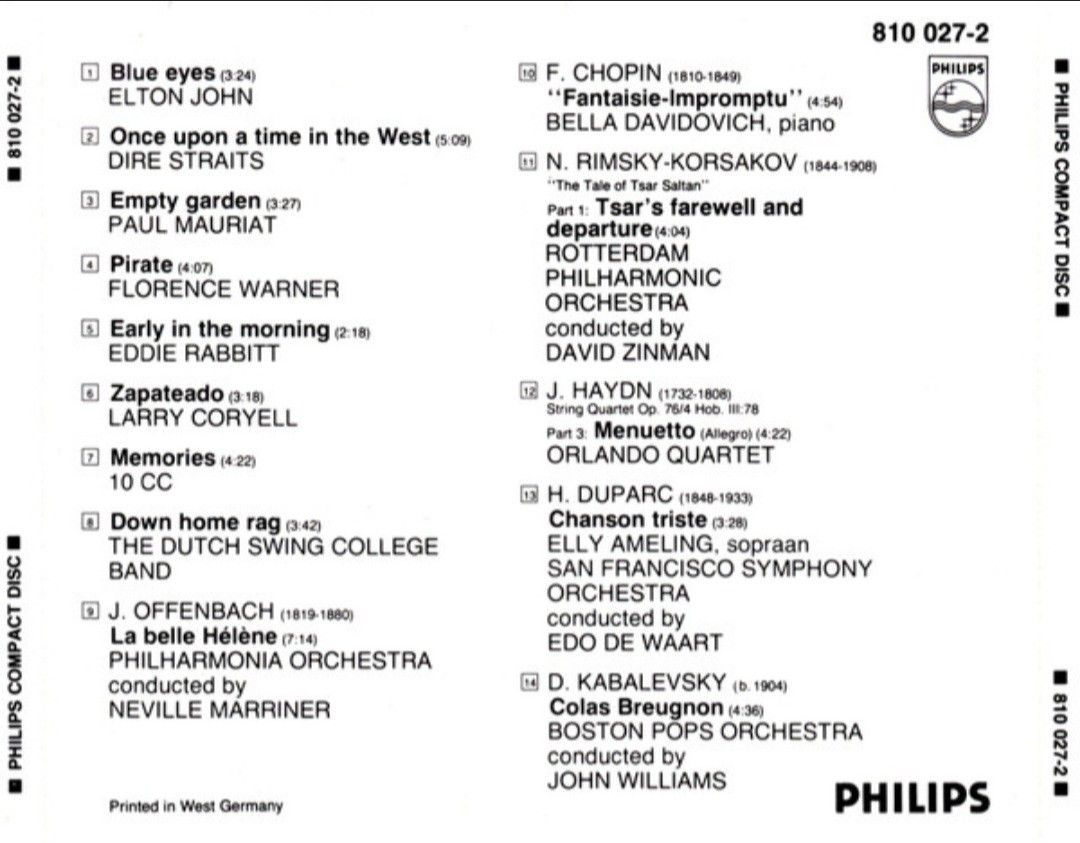
Burn your CD collection to FLAC, all CDs will eventually go bad for several different reasons, the promise of “perfect sound forever” was the lie of the millennium.
I couldn’t give a monkeys whether my cd’s last the next century or the next millennium. Just as long as they out last me… By the way I’ve lost precisely zero to so called disc rot in the 37 years I’ve been collecting them!
I’ve been ripping many CDs recently to my Core. Three of these discs took a long time to rip and failed to rip two or three tracks on each disc showing as “ripping error”. The one thing they all had in common is that they were manufactured by PDO in the U.K. between 1988 and 1993. Apparently this was an issue known to the company and they opened a helpline at the time to replace cds affected by bronzing or disc rot until that closed down in 2006. From what I can find out these cds will only deteriorate further and no amount of cleaning will help. Believe me I’ve tried with no success.
I had a few CD singles that developed this problem. All Bryan Ferry and the rock band Skin. All became unplayable so were chucked. My research at the time indicated all came from the same pressing plant that had QC issues. No other CD’s in my collection have had this problem and I have thousands of the buggers.
I had/have a number of bronzed CDs. Traceable back to Blackburn in 1989/90 as best I recall. All perfectly playable and no impact, for me, on sound quality. YMMV.
Had one Aretha boxed set which rusted. That had to be replaced.
Perfect sound forever… wasn’t that the original CD marketing mantra?
Like you, I’ve had just a few out of 1000+ CD’s which Bronzed. IME there was no need to throw them. They still played fine and also ripped accurately to my server.
Well the Canadian government have funded research on this - and they state life depends on the environment such as heat, UV exposure etc.. but other than extreme circumstances factory pressed CDs are stated as being reliable for between 50 and 100 years in normal environments.
Yes 50 to 100 years in regular environments is not ‘forever’ if that word was actually ever formally used.I seem to remember it was about them not wearing out like records when played over and over … and being more robust - but that last point is possibly questionable… but it was all a long time ago now
Vaguely recall the research as a number of hifi mags quoted it at time. My point was only about the phrase really. It’s a great example of something much cited but which nobody can now evidence.