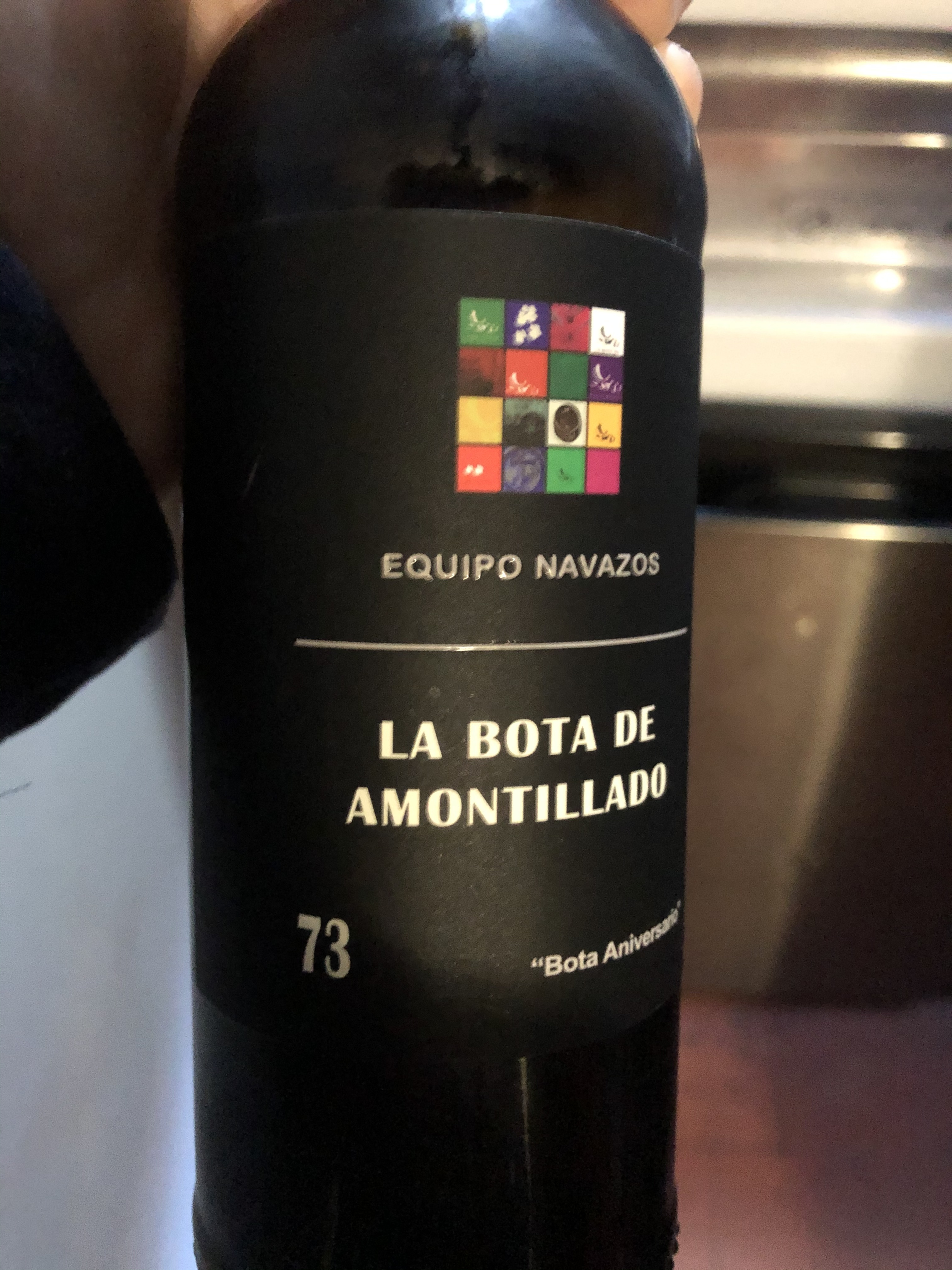
Sublime. So much umami that it will divide the crowd but worth seeking out.
5 Likes
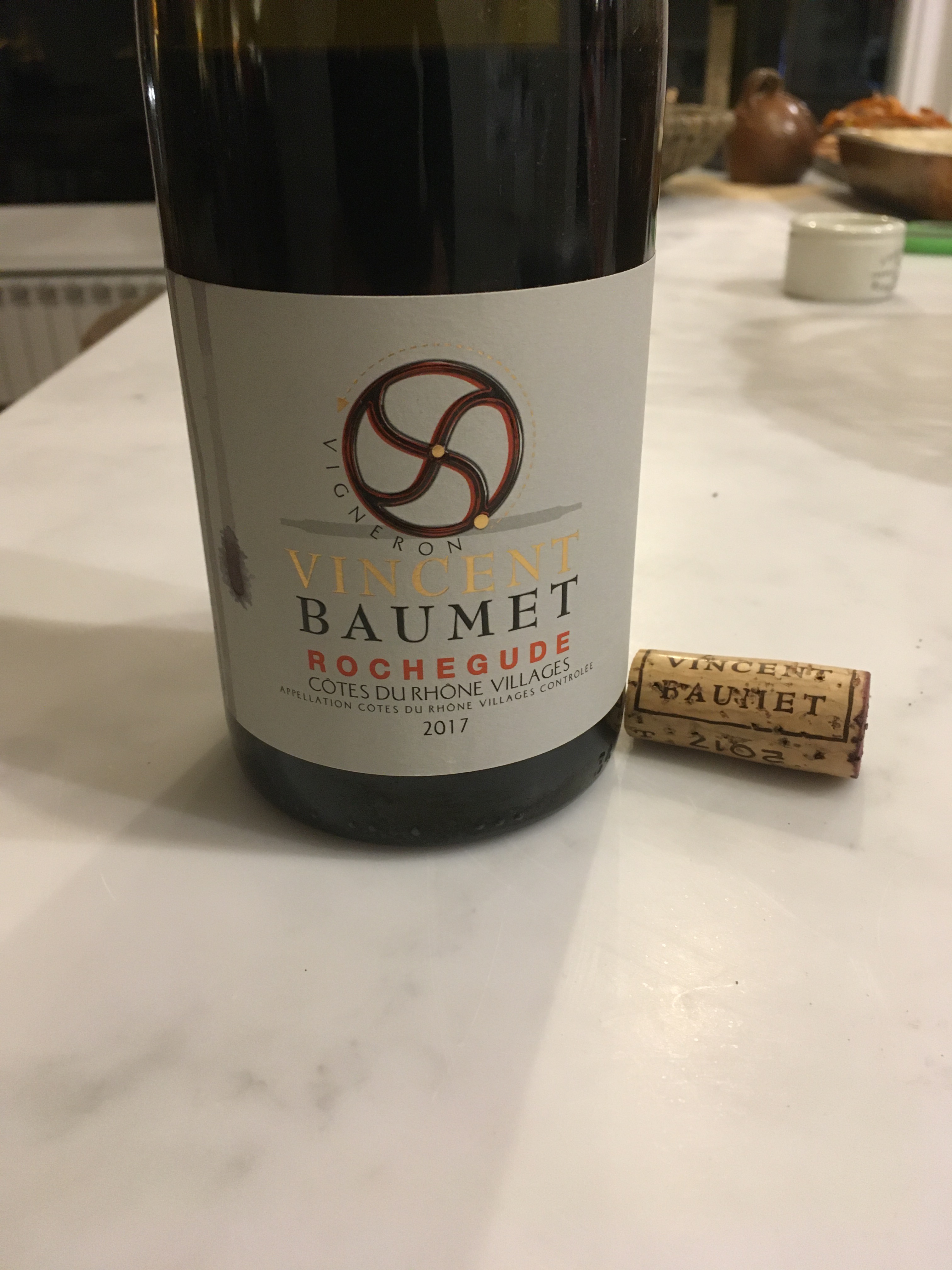
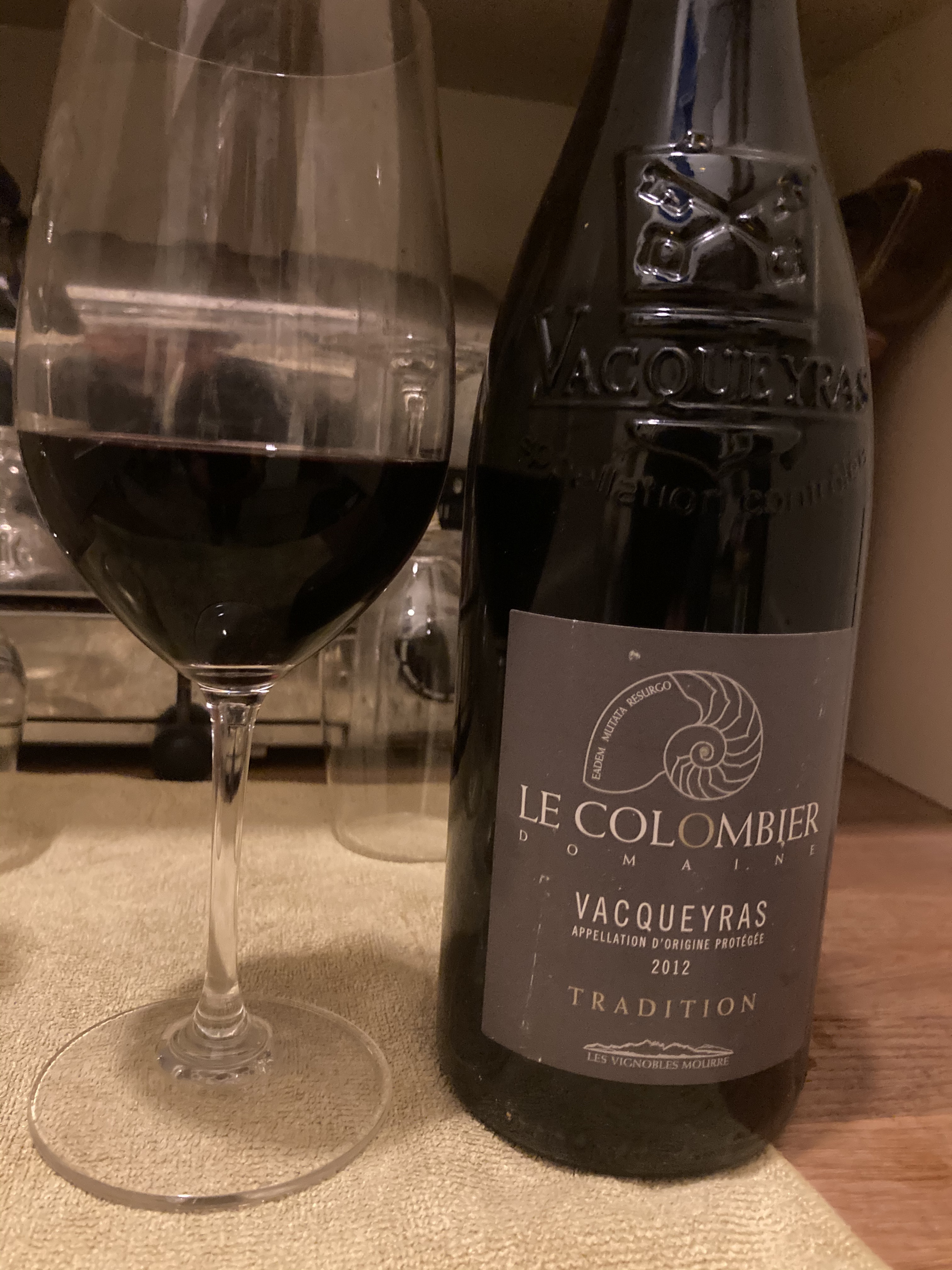
One of my favourite wines; it is perhaps at its peak. Smokey on the noise, spicy in the mouth with subdued tannins. Drank with grilled lamb, then with some local cheese. It’s not bad with cold sausages too.
6 Likes

This Paul Mas Languedoc was great after work, with our dinner of Mexican style bean tostadas. The fruit and lack of tannin seemed to match the vegetables and the 14% abv matched the dish’s heat. A real pleasure.
6 Likes
@IDAK @Rod_Smith @Eoink thanks guys, quite new to this fine wine area so all comments welcome. It amazes me I will be dead before some reaches its potential. Makes you think. A lot. Cheers. We tried a Riesling Auslese with some Roquefort and the match was outstanding. 
3 Likes
Im in optics and diagnostic measurements, is it know what the colour change actually is? More of something absorbing at that wavelength, sugar breaking down? Fascinating. Or E150a, only joking.
Typically ageing of wine is slow oxidation. I’ve seen a few people suggest that the change of colour of Sauternes is the Maillard reaction, I don’t know whether they have identified it as such or are just assuming that because the wine goes brown. 
2 Likes
I try to avoid posting work stuff here, as it’s a thread for others to tell us what they have been drinking. But in these chastened times, the opportunities for me to ‘work’ have been very limited of late.
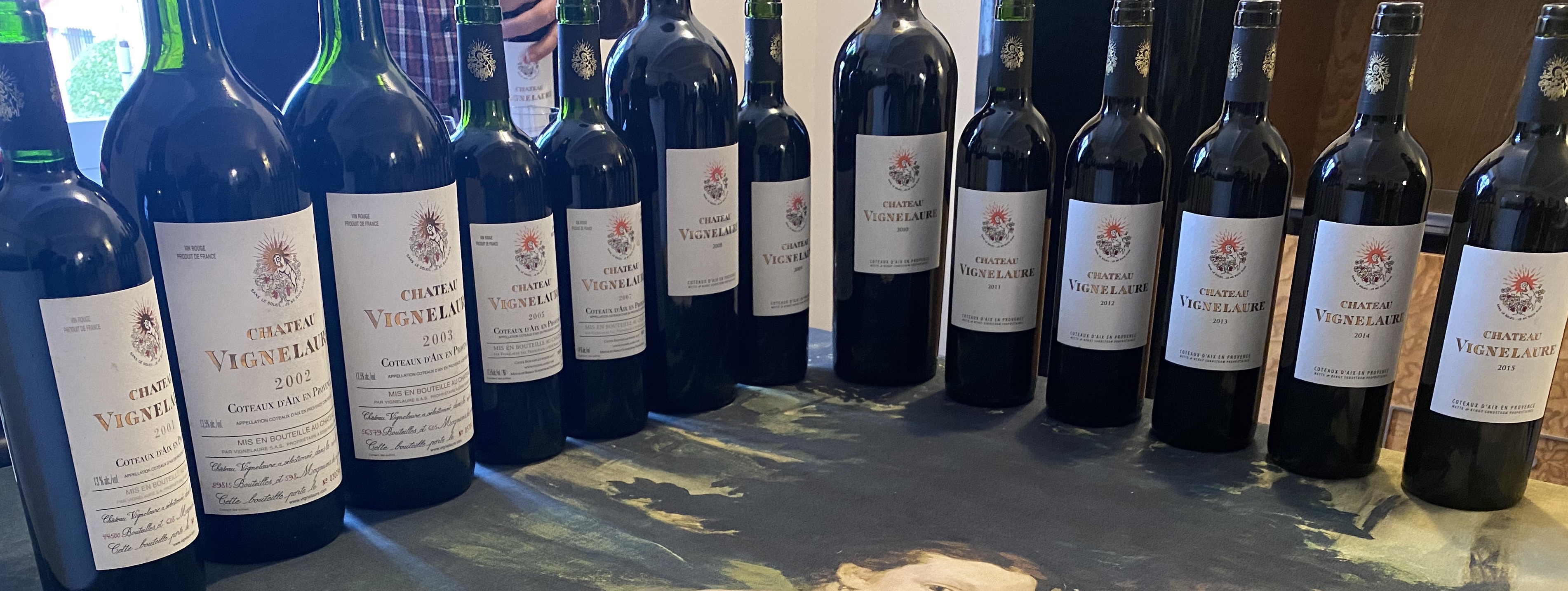
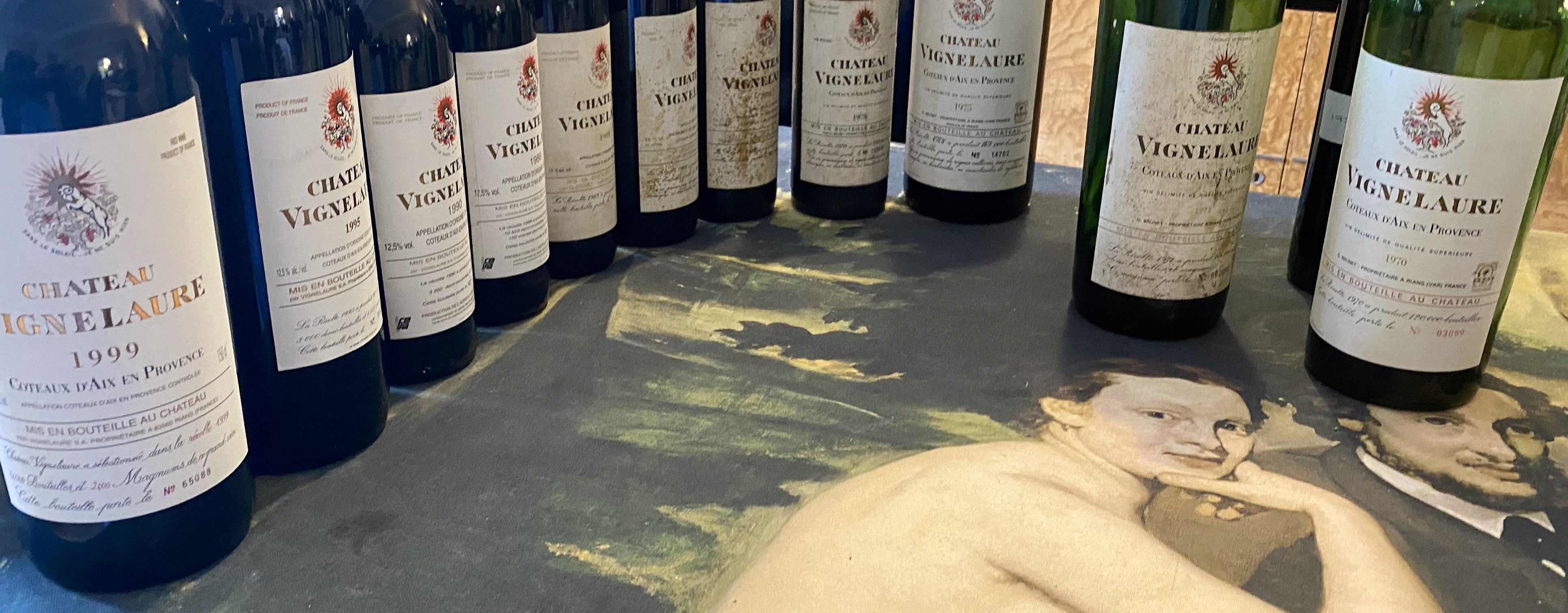
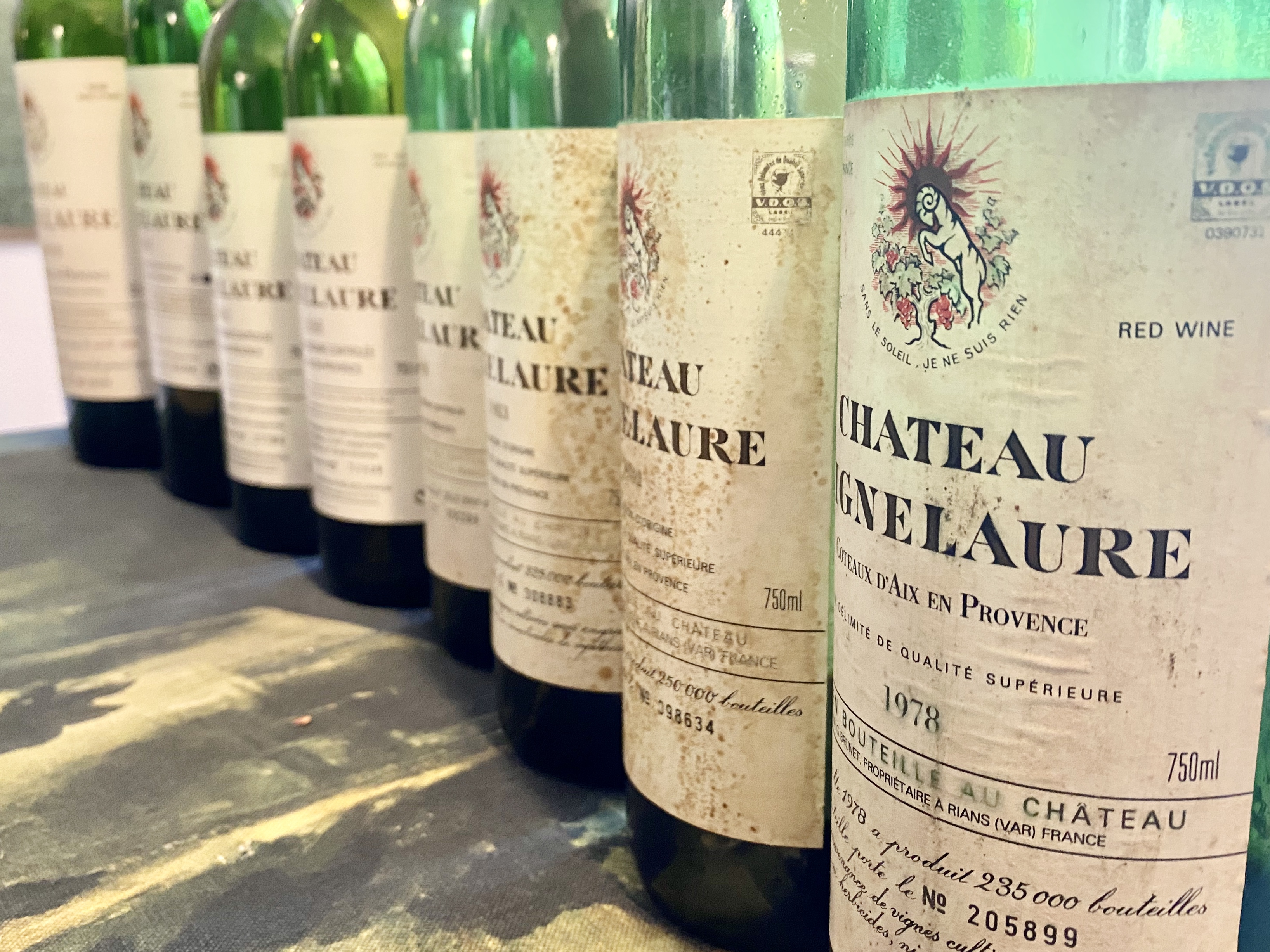
Yesterday and today, however, I was part of a group of journalists invited to taste at Château Vignelaure in Aix-en-Provence. This was the property that really put Provence on the map in the seventies, and their red wine was sought after before Tempier, Trévallon, Pibarnon and Simone really became famous outside of France. It waned a little in the intervening years but the new(-ish) owners, Mette and Bengt Sundstrom, who purchased the place as a ‘holiday home’ (they are not poor!) in 2007 took an immediate interest in the wine, and have invested a huge amount of money and expertise in restoring it (along with the property itself) to its former glory.
We were invited to tase “Fifty Years of Vignelaure” - although, not entirely to my disappointment I have to confess , we tasted twenty five vintages rather than all fifty - but it did include the still-magnificent 1970 and 1971. I will be writing up the tasting (and trying to sell that article to pretty much anyone!!), but if not, I will put it on my blog, and would happily email it to anyone here who drops me the relevant hint.
Meanwhile, I think the young vintages, under the auspices of winemaker Philippe Bru (since 2007) are spectacular wines which will repay ageing and may well increase in value, and certainly in rarity and availability. The whites (only made since Philippe replanted) are also very special.
Michel Bettane was sitting next to me, and he kept comparing everything to Lafite (I’m not sure I totally agree with that though!)

10 Likes
What a horrible job, but I guess someone has to do it.

2 Likes
I support Eoinks post, Sauternes darkens over time, I’ve seen some very old ones that look almost dark red. I had a look at some of ours and their colours do differ very slightly. Perhaps exposure to light may change the colour as well?
1 Like
Amazing selection there, keep up the good work Rod! 
Yes, very good Vacqueyras and one of my favourites too!
Thanks for the write-up Rod. I note that the 2011 and 2012 vintages are currently available to buy. Any preference of the two or worth going for both?
Yes, I avoid serving sweet wine with a sweet desert, its too much. Sauternes benefits from contrast, acidic cheese, lemon tart and a good match (for me) is foie gras.
As with all such ‘rules’ there is of course one exception and that is Christmas pudding and each year we exchange invitations with our neighbours for ‘deserts’ having tasted Rive Gauche and La Tour Blanche at our neighbours whilst theyve enjoyed Romieu, Vignobles des Sanches and Doisey Daene chez nous.
Of the recent ones I’ve drunk 2009 & 2014 have been very good.
1 Like
Hi Richard
Checking my notes, I slightly preferred the 2010.
Both will repay further keeping, probably the 2011 slightly longer:
2011
60 CS 40 S 14%
A little more closed and muted. Dry smoky oak scents. Classically styled with fine acidity and pronounced but resolving tannins. Spicy and with beginnings of varnish and beeswax patina of age. Dry grainy fine finish. Long. 90
2010 (Magnum)
65 CS 35 S 14%
Dry spices and smoky coffee bean oak aromas. Rich and chocolatey fruit extraction. Warm and slightly baked fruit characters, but held in balance with great acidity and freshness. Very black fruit and deep cassis, crème de mûre flavours. Dry tannins on lengthy finish. Good. 91
Cheers
Doesn’t the Maillard Reaction require heat, and I think it’s surface chemistry between sugars and amino acids? (See the first article, but a little research shows that it is more complicated.)
Changing colour certainly is a chemical reaction, and I wonder whether it’s about chemicals setting up an equilibrium?
The second article talks about chemical changes at room temperature that affect flavour, colour and aroma, so it could well be a Maillard reaction in the wine - very interesting to this old chemist.
A third article, from The Wine Society, suggests that the Maillard Reaction contributes to the complexity of champagne with hints of caramel; so I would imagine the same would be true in sweet wines like Sauternes and Tokaj.
https://www.sciencedirect.com/topics/agricultural-and-biological-sciences/maillard-reaction
https://www.thewinesociety.com/guides-winemaking-a-sparkling--transformation
2 Likes
Thanks Rod, did you try the 2012?
1 Like
We did! Actually preferred that. Quite Bordeaux-y (especially for a wine with Syrah).
2012
60 CS 40 S 14%
Spicy black fruit aromas, less apparent oxidative notes than the 2013. Cassis Cabernet fruit aromas. Very blackcurrant and Cabernet tannins and spicy finish. Still youthful and fresh. Long. Excellent. 92
2 Likes
I’m no chemist (Physics degree), but my reading suggests that there are variants of the Maillard reaction including room temperature ones. Some stuff I read suggests that some of the room temperature ones leave earthy flavours, which made me think of mature claret.
1 Like
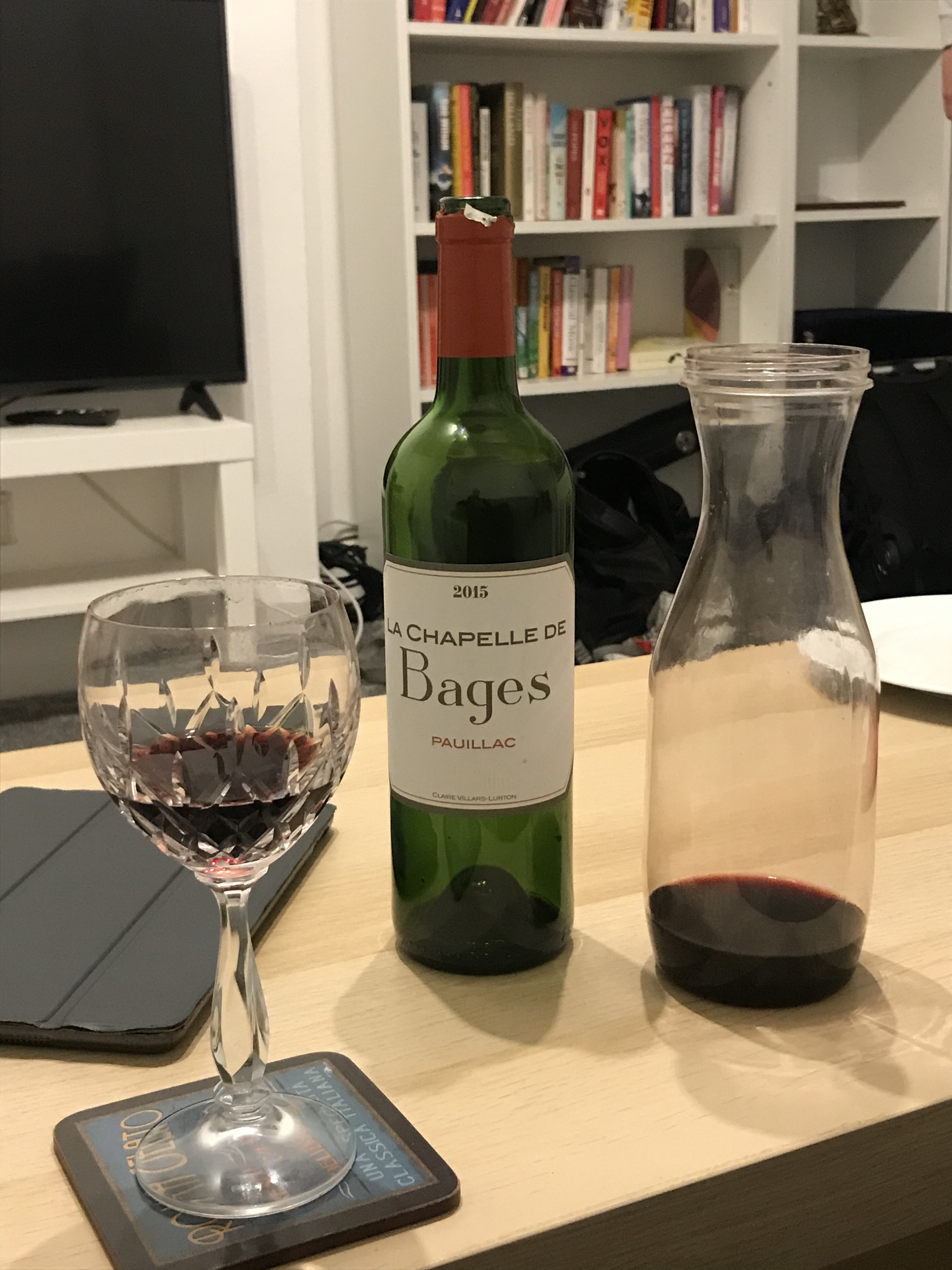
La Chapelle de Bages 2015.
Catching up on a couple of weeks of wines, a pick from Waitrose drunk during a video call with a couple of friends whilst at my mum’s. Nice light ruby colour, attractive light nose of cassis and cigar box, leading in to a fresh lightweight palate of cassis with a bit of tannin and acidity, and a hint of slate. It’s an easy drinking minor claret, second wine of Haut Bages Liberal, the fruit is attractive, it’ll probably pick up some cedar notes on the palate in a couple of years, but I wouldn’t expect it to materially improve. I’m pretty sure I could find better value wines which don’t have the 2015 and Chateau badges, it’s enjoyable well made wine, but not particularly memorable.
7 Likes