tbh, you say that, but in our village there’s no gas. Hence most people have a stove or even open fire. However I’d say that 50% of them burn any old rubbish they can get their hands on. We had a skip at the end of the drive a couple of years ago and we were clearing out old fences, gates, treated wood, &c. This is all wood that we wouldn’t put on our stove. You should have seen the locals though; they were flocking like vultures yanking anything, that had a remote chance of burning, out of the skip and dragging it away. My next door but one neighbour has a shed packed full with second hand wood which is covered in old paint!
5 Likes
Thanks for posting, good to see.
Probably an element of ‘Smoke and mirrors’ from both sides if you’ll pardon the pun .
My stoves were considered efficient 5 years ago when I got them, but probably would not meet the current eco standards.
Modern stoves may well be more efficient, but they’re not the sort of things people would be looking to change every 4-5 years. so for new installations that’s good but people are likely to be happy to keep older less efficient stoves for many reasons if they still work.
3 Likes
I wonder what’s a “real fact”
Anyone have any experience with a patio stove? I’m thinking of getting one to make it more comfortable when the sun goes down, but rather than one of those fashionable ‘fire pits’ or ‘chimneas’, I was thinking more like a secondhand domestic wood burning stove, or something like these:
https://belltentboutique.co.uk/products/outbacker-hygge-oval-stove
The second of these looks rather nice, and high heat output, but pretty expensive.
Installing on a patio I think removes the statutory installation requirements (though wouldn’t worry me if not, as in my previous house I installed a stove myself, and got a retrospective certificate of compliance), so my query is more about what is suitable? Heat output probably needs to be more to be useful, while resistance to rusting may be a key factor. On the latter point, I’m not sure which would be more durable, steel or cast iron (oiled and burnt in)? Of course if not too heavy it could be moved into a shed next day, though still damp air if not rain.
2 Likes
I’m thinking of buying one of these beauties…
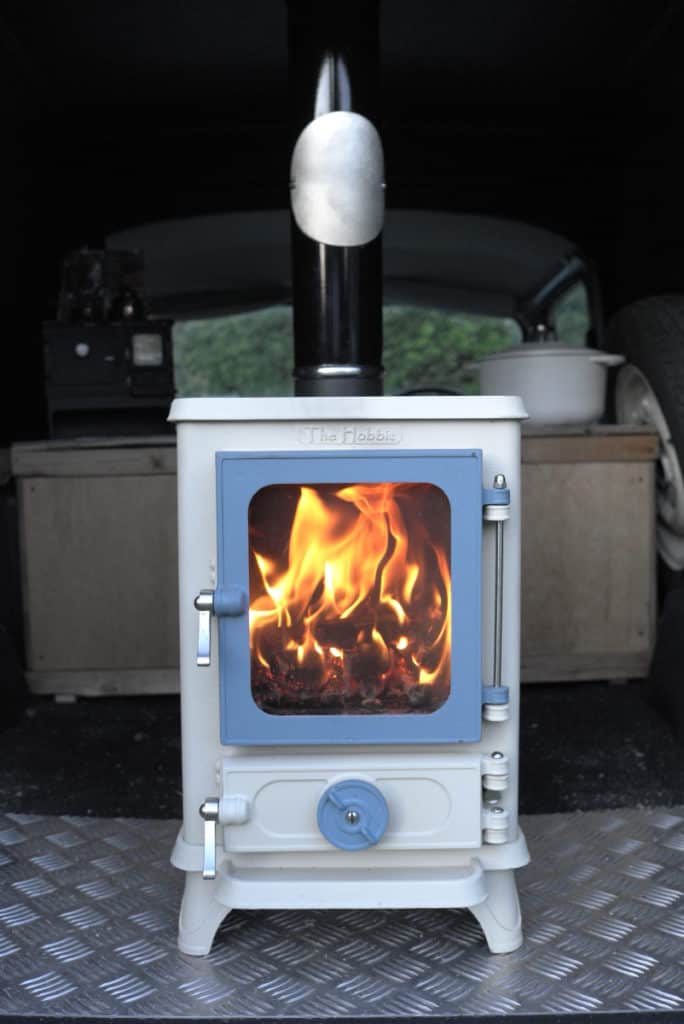
However it’s early days, i’m openminded at the moment (and with open fireplace too)
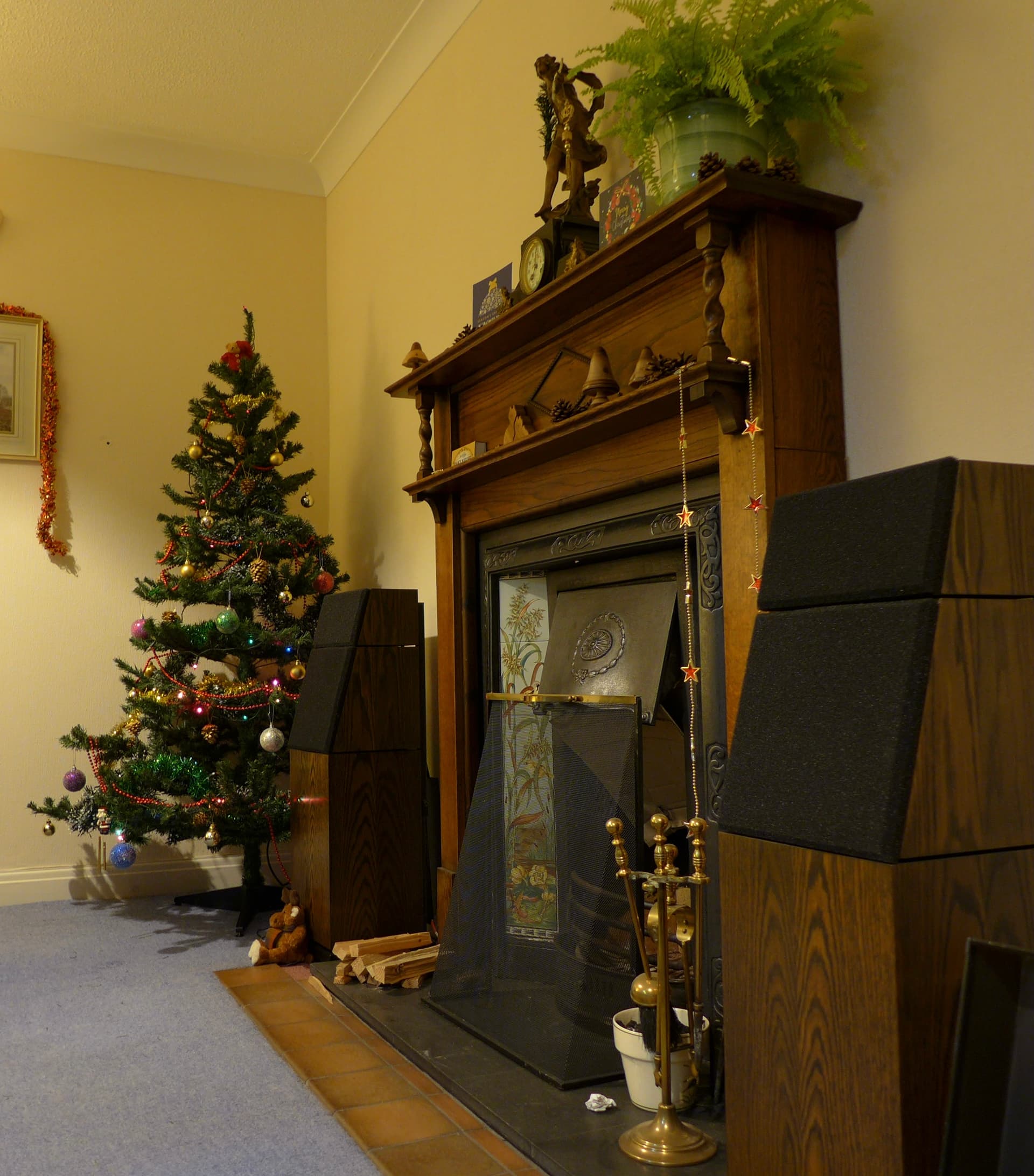
Will take time to consider my options, this little 4kW Hobbit has enough heat output for my room, and the stove is small enough to be fitted in front of my existing open fireplace.
The chimney will need to be sleeved and all done professionally. But keeping the existing fireplace front and oak wood surround does simplify things, and helps keep the cost down… but still openminded about this.
Does anyone here have a Hobbit stove?
1 Like
Not Hobbit, but have had 4 different makes - all worked perfectly well.
One thing that is worth considering - depending on your house, of course - is to try to find one that takes an air feed from outside the house, rather than from the room. Much more efficient. It doesn’t look like the Hobbit has that. Not a deal-breaker (at the moment) but very worthwhile.
Another thing to consider (not easy) is what the legislation will be over the coming years. There are serious moves to outlaw solid fuel and wood burners. Which will be sad for me, as we have a lot of trees, which sometimes lose branches or fall over, and anyway need trimming periodically. If they ban wood-burners I will just have to burn the wood in bonfires - which would be a terrible waste.
1 Like
I think this is a drive to outlaw them in urban areas in order to reduce town pollution.
I live over 10 miles from a town, middle of the countryside in these here parts 


These days it seems a very good idea to have an alternative form of heating in case there is an electric supply power-cut, and that lasts some days within winter months. This hasn’t happened here yet, but going by current events with electric supply issues i think having a stove as back up is very sensible, especially as my house already has a chimney.
There is a new eco edition Hobbit stove, it recycles warm air to burn more particles, and it would be easy to have an outside air supply piped under the stove here.
3 Likes
That sounds like a win.
Heat output is a problem with most of these stoves. Too much where you need to open the windows where it can get far too hot.
Of course there are constraints on choosing stoves (space, room size, mass, suitable air inlet and chimney placement).
Just my personal preference of course to have something that stores the heat. Soap stone is great for this and quite nice visually as well. Not good for frying sausages and bacon though so may not be appealing to Alley_Cat 
The higher the mass the longer the heat storage.
They are great for what you suggest. Power cuts where you need an independent means to keep warm. Of course you will be without you wonderful Linn and Naim system though 
A large dry area to store your wood is also important. We have an underground area, partly garage and a large area where we bring wood in once it has dried outside for several years.
3 Likes
I went for a Morso Owl. It’s worth backfilling the chimney, one you’ve lined it, with vermiculite. This insulation improves the draft, and the burn, especially of smoke particles, of the wood.
External ventilation to the wood burner is technically only needed if the wood burner is over a certain size (5Kw), but is a good idea.
If you are worried about particulates (PM2.5), ensuring the wood is dry (below15% moisture content) helps as does replacing the gasket around the door every few years. My wood arrives at around 25% moisture, storage outside for a year reduces it to 20%, I then store some wood either side of the wood burner for a month, which reduces the moisture content to below 10%.
5 Likes
Be careful with backfilling the chimney space. Damp is your enemy and providing a path for damp to progress to the inside wall can be a problem. Better to cap the chimney around the flue exit pipe.
1 Like
This is a nice example:
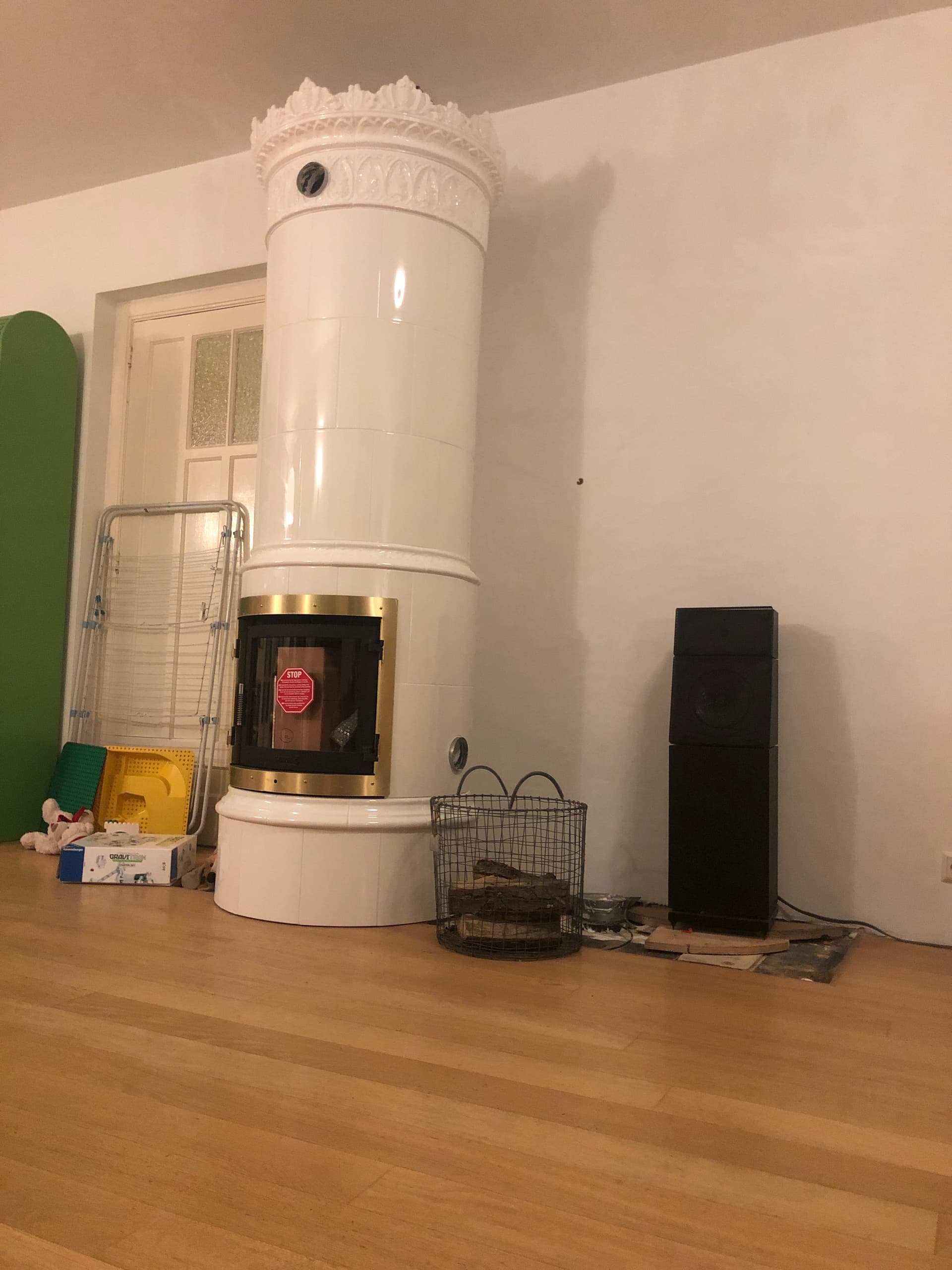
Plus my left SBL.
A few more weeks and the builder comes back to give it the final touch.
3 Likes
Wow that’s fantastic. Low output and high mass. Looks great as well.
1300 kg. It’s a Swedish one. It’s beautiful, even unused. We have sufficient wood in storage for a few years and new trees are growing. It can’t get more renewable.
2 Likes
I’m a Clearview fan and have one of the larger 650 models which produces 10-12kw. Their little Pioneer model is well revered in stove circles, Clearview are built like the proverbial outside toilet and mine is still perfect after 16 years burning every night sept thru to may.
5 Likes
Good points about the chimney and the importance of getting this important element done and installed correctly.
1 Like
We have a 8kw multi-fuel stove, usually start with wood, then coal…very toasty…
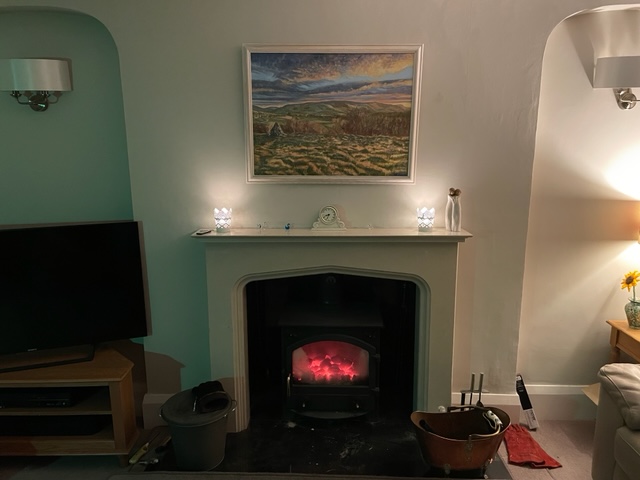
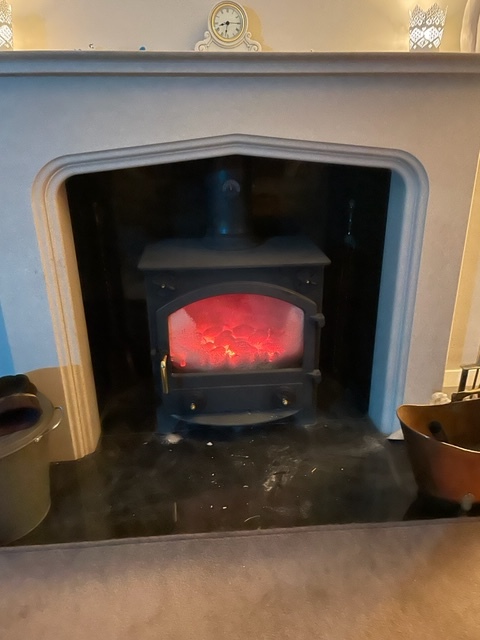
keeps us warm in the northern rural climates..
3 Likes
I’m not so concerned as happy to oblige eco regulations. The issue is one of new legal legislation, after the 1st January 2022 it became illegal to manufacture or sell a stove that isn’t Eco-design Ready. However, stoves already installed or already in the supply chain (manufactured before 1st January 2022) are exempt from this.
My concerns are sourcing a stove that ticks all my boxes, it needs to be fit for purpose but apparently anything over 5kW will probably be too much for the volume of space in my lounge plus open-plan kitchen. I like the idea of something massy that helps retain heat (cast iron?), ideally need the stove to protrude out in front of the fireplace as so i may use it to heat water for a hot drink, or put a pot on it to cook food on. This is only a fallback measure in case of a severe winter power-cut.
There is no gas here in the village, and an electric power-cut prevents the oil fired central heating from working, so having a real fire stove as back-up is good.
Also, maybe nice to use the stove anyway to reduce the amount of kerosene used with the central heating.
Have a couple of designated garden areas on my mind that could be used for log storage.
Easy enough to buy chopped logs around here, and i would be happy to leave them to dry before use.
The only issue i can see with the Hobbit, or similar small stove is the size of log needs to be smaller, 200mm long may require a lot of chopping down to size  …but probably need sawing across the grain
1 Like
My local supplier cuts the wood to the 200 size for me; with his kit it’s a simple task.
As I understand the new regulations stoves now circulate the combustion fumes several times to burn off the soot. This is achieved by inserting several baffles between the combustion chamber and the flue. This circulation of hot gases also ‘cleans’ the stove door.
The cast iron hobbit looks good from its web site, and it has the same heat output as the as Morso I have, as well as the Jotul I use as well. My local green shop sells the Clearview stoves, they are steel and give out a good level of heat.
1 Like
I have a clearview 650 of old, not sure they meet the new Eco 2022 regulations, shame if they do not for their future.