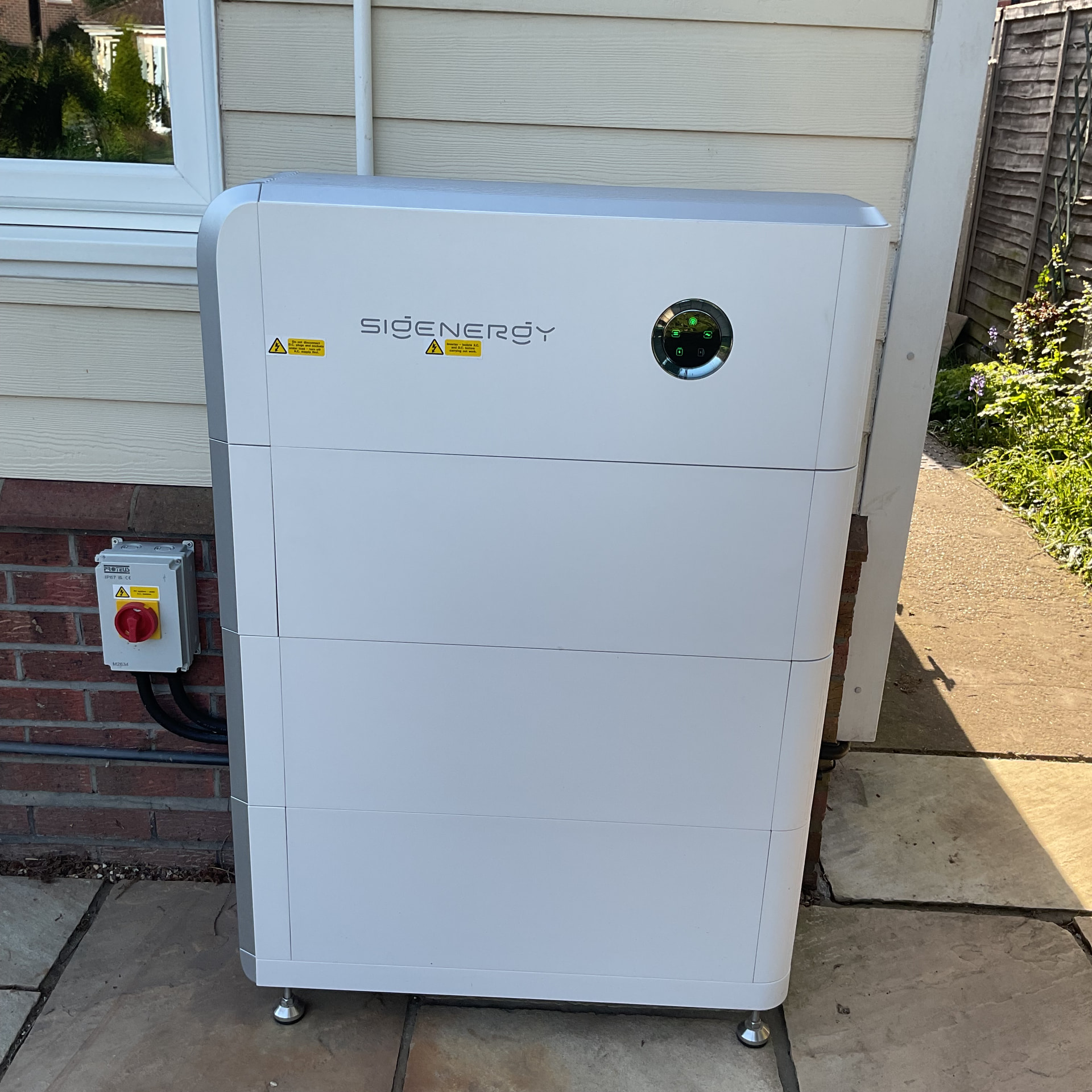
I’m saying batteries first, then solar, but more than likely you’d do them together.
1 Like
We did the whole caboodle within the space of one week in December 2024 - solar, batteries, heat pump, EV and even an induction hob. It was like Christmas, Easter and birthday rolled into one. Then in January 2925 the gas supply was cut off. Maybe that’s why I get so excited about it all.
1 Like
Why batteries first? That doesn’t seem very sustainable. Batteries aren’t even economical here unfortunately.
Batteries can be turned to your advantage if you sign up to a variable tariff, so you charge them at heavily discounted off peak rates and use them to run your house. On some tariffs, you can also export any surplus at peak times and get paid a premium export rate. This can give a short payback time even if you have no solar panels. This is in the UK, where the electricity grid is a shambles and isn’t properly balanced: other countries may vary, of course.
(There is a caveat at the moment, as some electricity suppliers have suspended variable tariffs due to price instability caused by the Iran war, so until they make them available again, there’s an element of risk in buying a battery and expecting a reasonable payback time.)
1 Like
How certain are the tariff benefits over the economic life of a battery. It seems to be solely based on balancing supply and demand over the grid, than any sustainable or environmental benefit? Surely having solar first would be much better?
1 Like
In the UK balancing the grid is becoming increasingly difficult and costly because we have renewables that often generate power when it’s not needed. The grid has to pay some generators, especially wind turbines, to stop producing because demand is low. So anyone who has battery or other storage capacity can be paid to store that excess so that the National Grid don’t have to pay generators to waste it.
In effect this is an environmental benefit, which is why you can benefit financially. Payback times of around 3 years are not unusual for anyone with batteries and no solar.
4 Likes
50 kw generated today from the solar. Charged the car up over 130 miles as well as the batteries and ran the house.
Best day so far since the system went in
So 230 kw this month so far, 1286 this year, and 1520 since it went in mid November.
I feel i might need to get a pay in tariff sored once the summer really kicks in, as if not i will be giving probably 20 kw plus each sunny day back for free.
I know its only a few guid but it will add up and probably pay for my early exit fee and join cost.
yep. yesterday was our best day too this year, 30kWh generated from our modest setup. (well actually 29.8kWh) .. but overall down on last years generation by this time of the year, but last year was unusually sunny early on. No mains import from from 08.30 to 01.30 which is how I like it. April balance back to surplus now. We dont have a non hybrid EV, so my off peak rate is 9.7 p per kWh for 7 hours of the day
1 Like
Chris are you sure? Batteries effectively average out your peak and discount rates for demand if you have no means of generation - so unless you have a huge daily range between peak and discount with a really high electricity bill I would have thought payback was a fair bit longer… still worthwhile - but I can’t see how you would do 3 years normally.
I do think if you have a batteries and the necessary hybrid inverter - the incremental cost for PVs is relatively small and that will increase the rate of payback significantly… as you can largely become self sufficient in the summer months in terms of running costs… and many run into surplus.
Most forums i have seen anout battery/solar, etc, they all talk about pay back and how they have earned £3 today, but no one seems to say how much it has cost them to charge up each night and take it away from the earning.
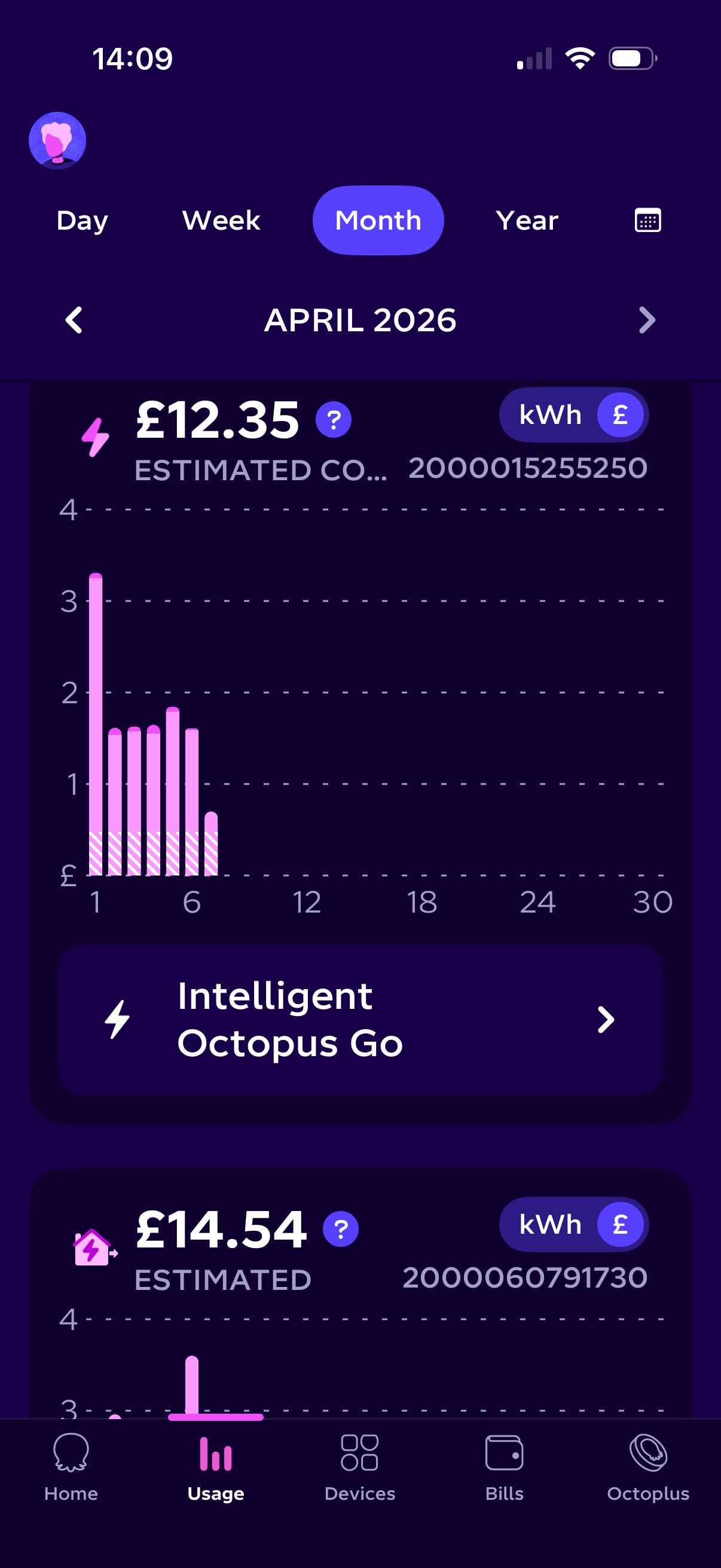
To do that would be silly, as it’s only one side of the equation. This is April so far, including all power and car charging. We have no gas or oil to include as we are electric only. People saying they are making on electricity while spending a load on gas doesn’t help comparisons either.
no they are not, i have neighbours in Germany already needing replacement after 8 to 10 years
Martin
What have those who have installed solar, batteries and heat pumps identified as cost of capital and useful life when calculating return? Anyone?
Not a silly question, but one for anyone with a sensible approach to expenditure, especially in retirement.
1 Like
There are plenty of YouTube channels that explain how their systems perform in terms of initial costs, earnings and pay-back.
It’s quite possible to determine the pay-back with Solar PV and a battery by comparing your current bills with what you would have paid without them (obviously!). You don’t need to have the full solar/battery/heat pump setup to do that
. With the addition of an EV the savings are even greater as you become eligible for cheaper tariffs. As long as you state the basis of your comparison I see no issues.
1 Like
Here you will need to make some assumptions over the ‘pay-back’ period: What rate of return on investing the capital might be expected; what is the likely lifetime of the system (PV ~25 years, but with some degradation over time in output; battery/inverter guarantee period; heat-pump guarantee period and performance degradation overtime time); increase in electricity prices; how tariffs might vary: etc. So it’s not a simple calculation and different assumptions may change the answer. Add to that tha ‘green credentials’ feeling and the comfort of reduced dependence on world energy prices and different people will have varying opinions.
1 Like
It’s very simple. My battery has 9 KWH usable. It charges up at night at 5p and is used during the day when electricity would cost 27p per  KWH. So my daily savings are 9 x 22p or about £2 a day.
1 Like
Thank you for a sensible, informed response.
There are likely a few other variables which I’ve missed, but hopefully you get the picture.
At our previous house we installed Solar PV under the FIT scheme in late 2011. The current rate of payment I believe is ITRO 75p/kWh. We moved when we had recouped the capital and were into profit (~£2,000 pa) but the new owners will be raking it in. Things were simpler to justify back then.
 Took about 20 minutes in total.