Hi all. This is a new thread I would like to trigger with every week a new classical piece and then a discussion about it’s best or it’s special versions. As start off I would like to start off with the famous Goldberg Variations of Bach. I added pictures of what I have on the server. Please keep in the mind not all versions I have might show up given naming conventions. I counted 43 versions and saw some others - so I have myself 50 to choose off. I will of course at the end of the week discussion also place my 3 favorites. But of course I am interested about your recommendations and base of that I am forced to buy a new one and get to 51……
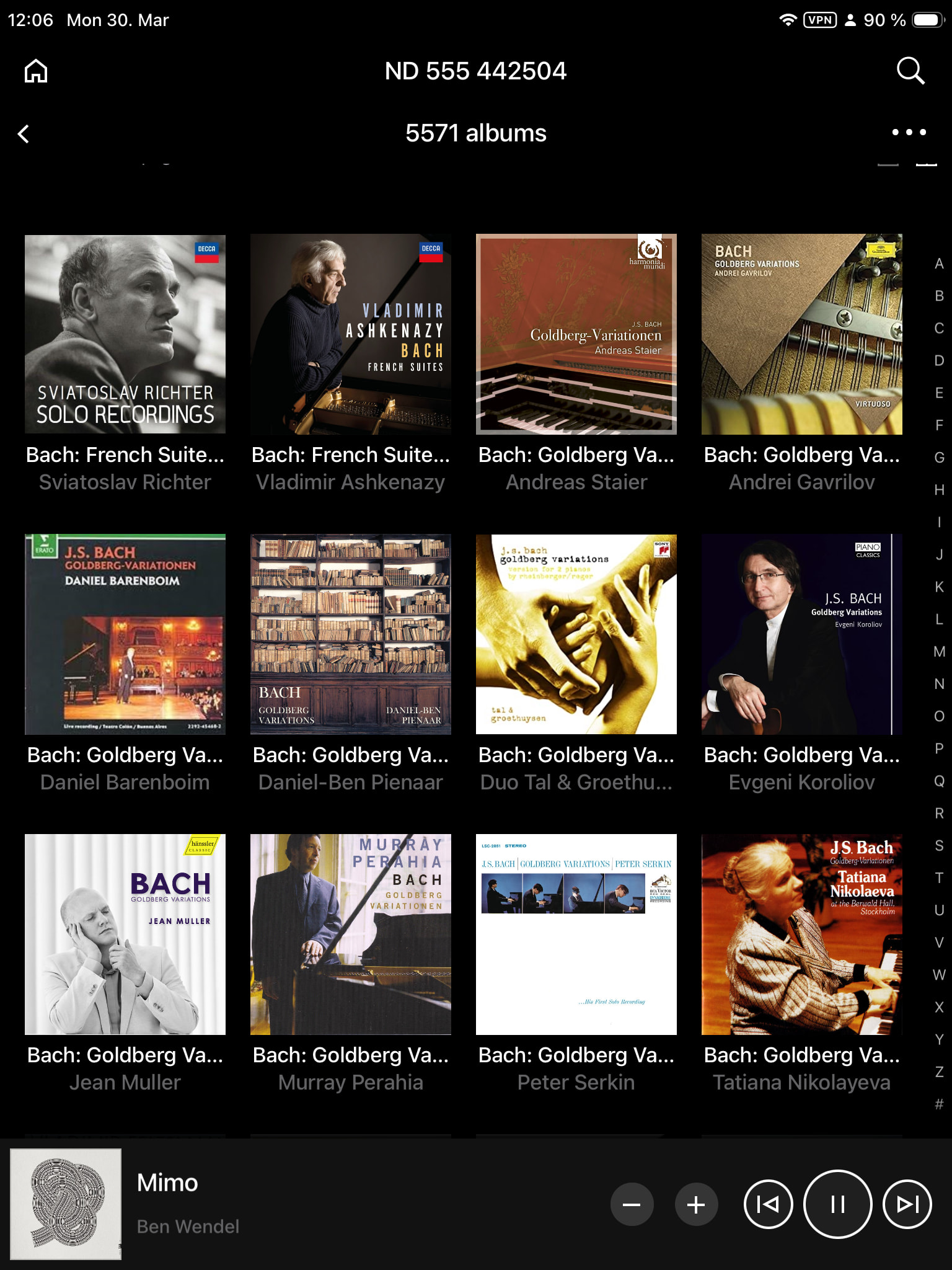
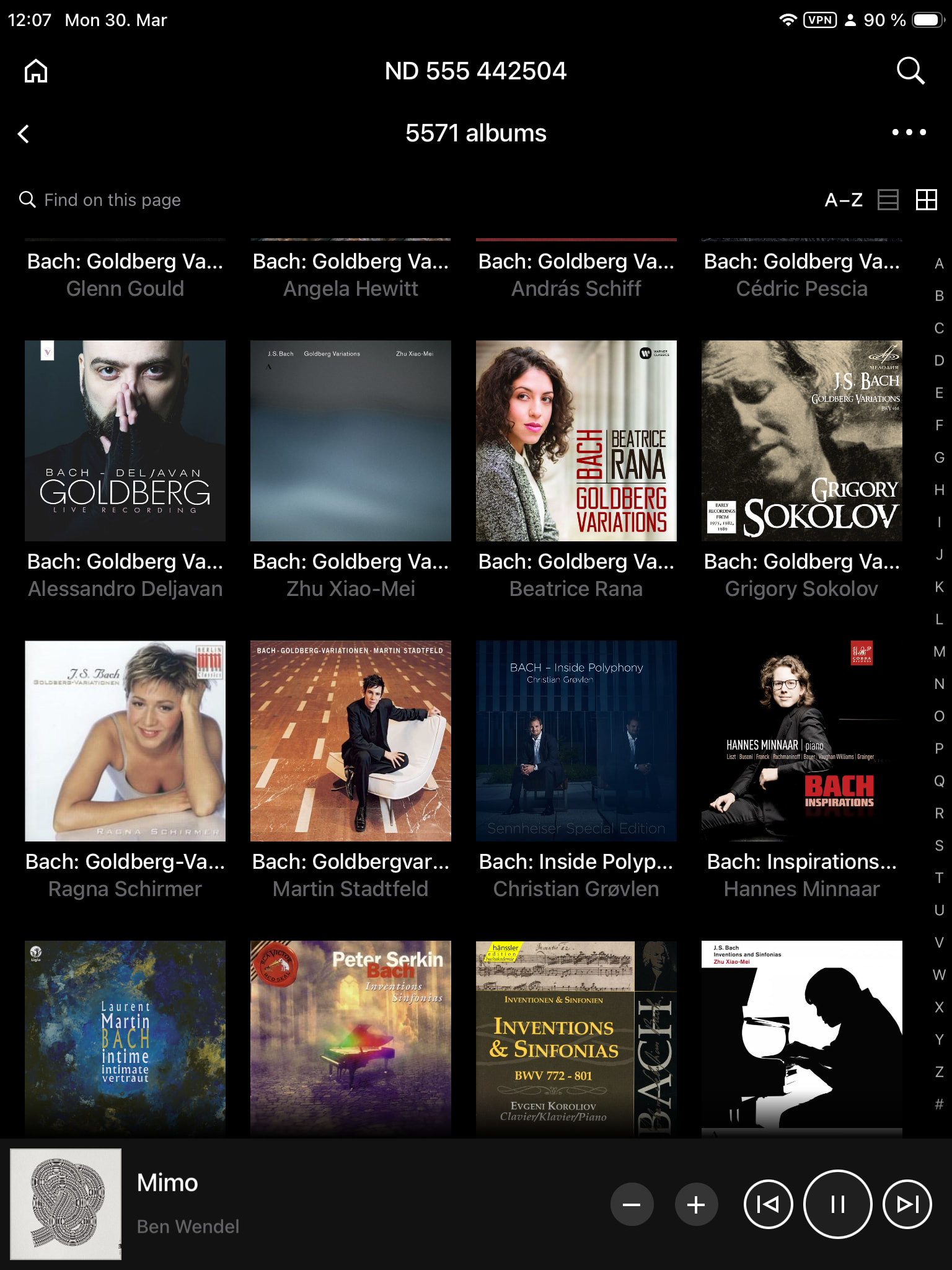
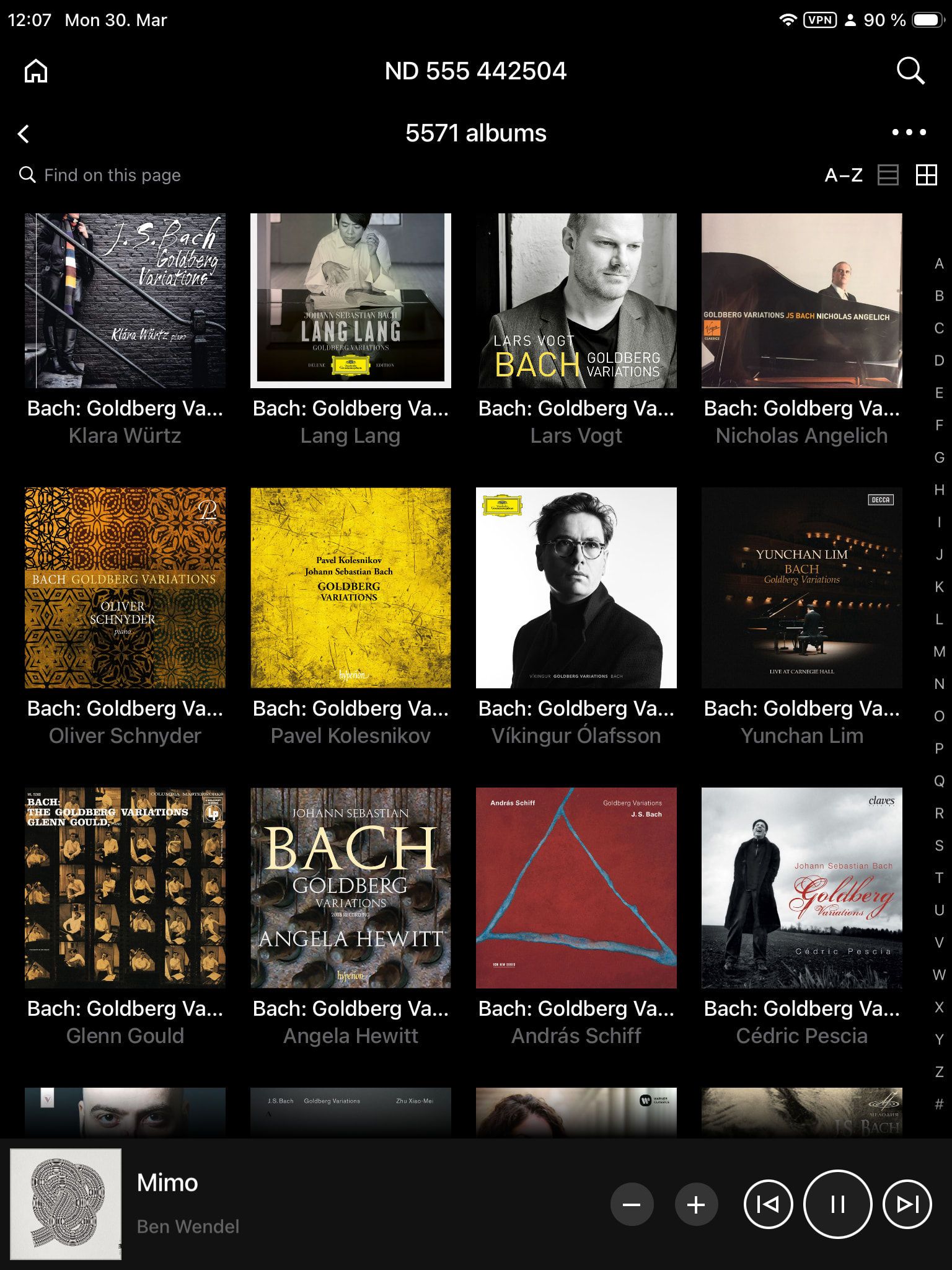
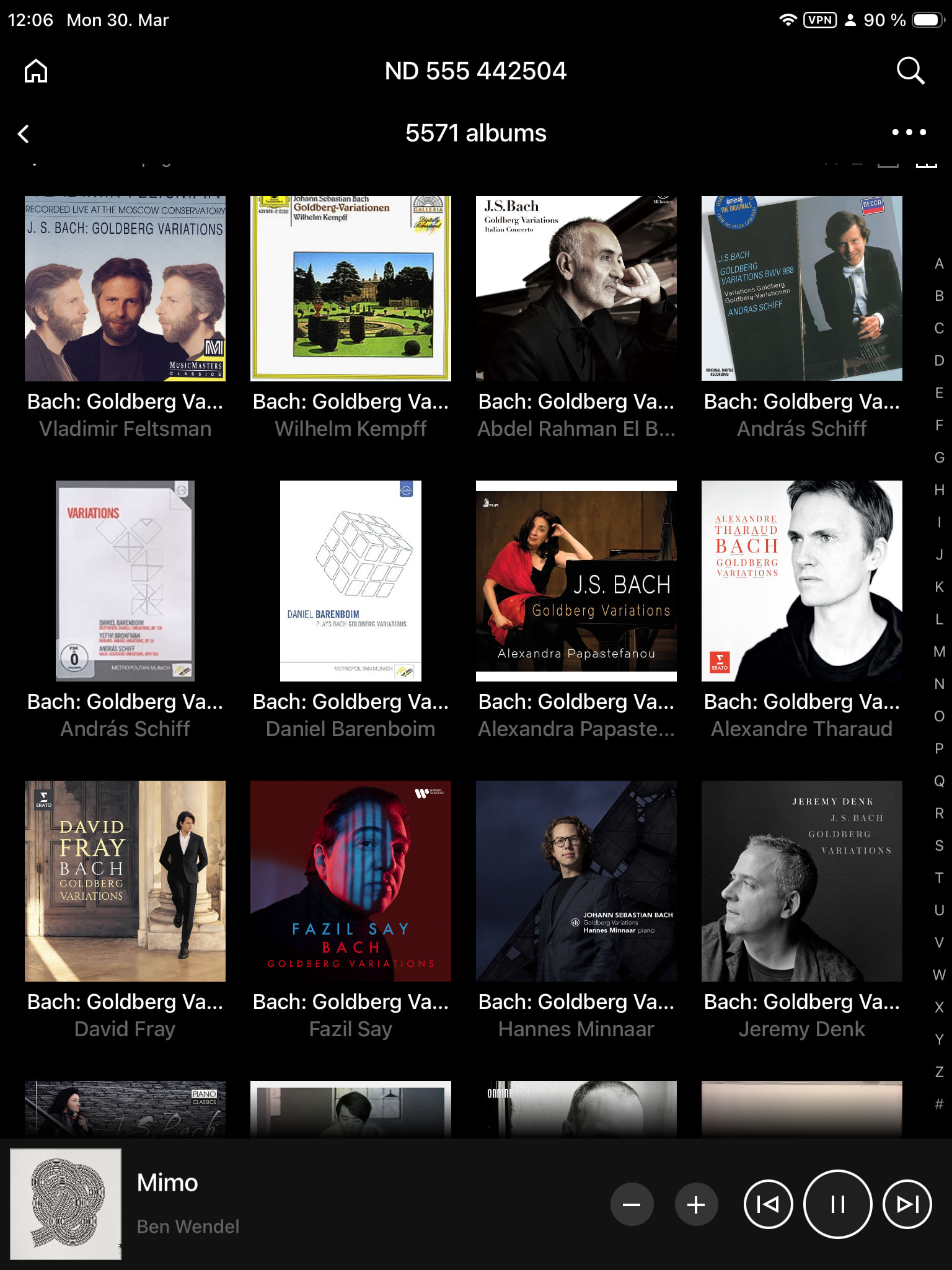
I couldn’t add the pictures on the created topic so please find a selection attached for your inspiration…..
Re-read the guide lines but not sure if I can post a YT link … . I find this guy very helpful when looking for comparisons of pressings. For vinyl afficionados.
It has to be Vikingur Olafsson for me. He has this intelligence and clarity that gets to the very heart of the piece. When I saw him play it live I had damp eyes at the end - just beautiful
1 Like
First you have to choose the instrument: harpsichord or piano. For the former, I only really know the Leonhardt version, but to recommend to others, I’d choose a piano even if it’s inauthentic. For repeated listening, Perahia is my go-to. Nothing exaggerated or overplayed, just a deep understanding of the music.
But for an “other” who is allergic to solo keyboard recordings, I’d suggest Koffler’s orchestration for chamber group in the performance conducted by Trevor Pinnock as a great way into the music:
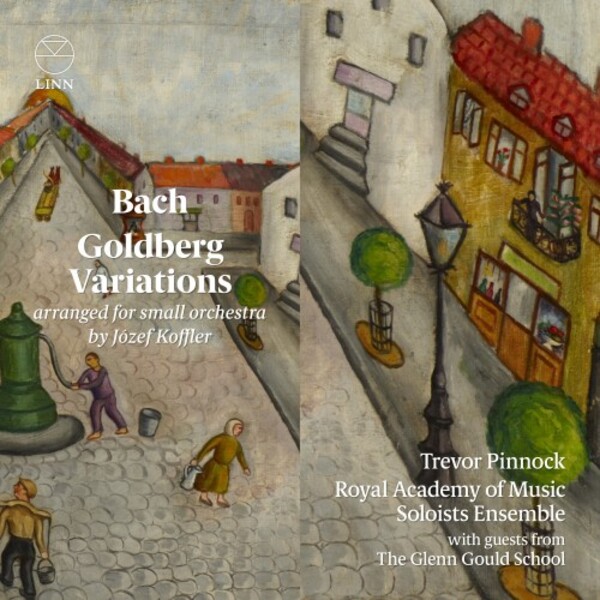
Roger
1 Like
When it comes to the keyboard works of Bach, I am always irresistibly drawn to Glenn Gould.
3 Likes
As my Classical knowledge is sketchy I routinely ask the same question as you pose and dig around on various Classical music forums, Youtube reviews and reddit threads. For Bach Goldberg variations I ended up with the Glen Gould 1955 and 1981 version as this seemed to get the most votes. Very good it is too!
I would have thought the thread would be more interesting for everybody, as I always like to be exposed to a better or different version of a piece I am not familiar to….
What about colleague forumnites like @EJS and @kuma as classical lovers…
What a good idea for a thread! There are so many recordings of the Goldbergs and doubtless almost all of them have some merit, so I guess it’s largely down to people’s preferences as to which is best, reflecting adherence to the score, interpretative differences, recording quality, harpsichord or piano… the list goes on.
For what it’s worth, here’s the recording I have. I am not a big Bach fan (my loss I realise) so I have insufficient knowledge of this work to recommend this or prefer other versions.
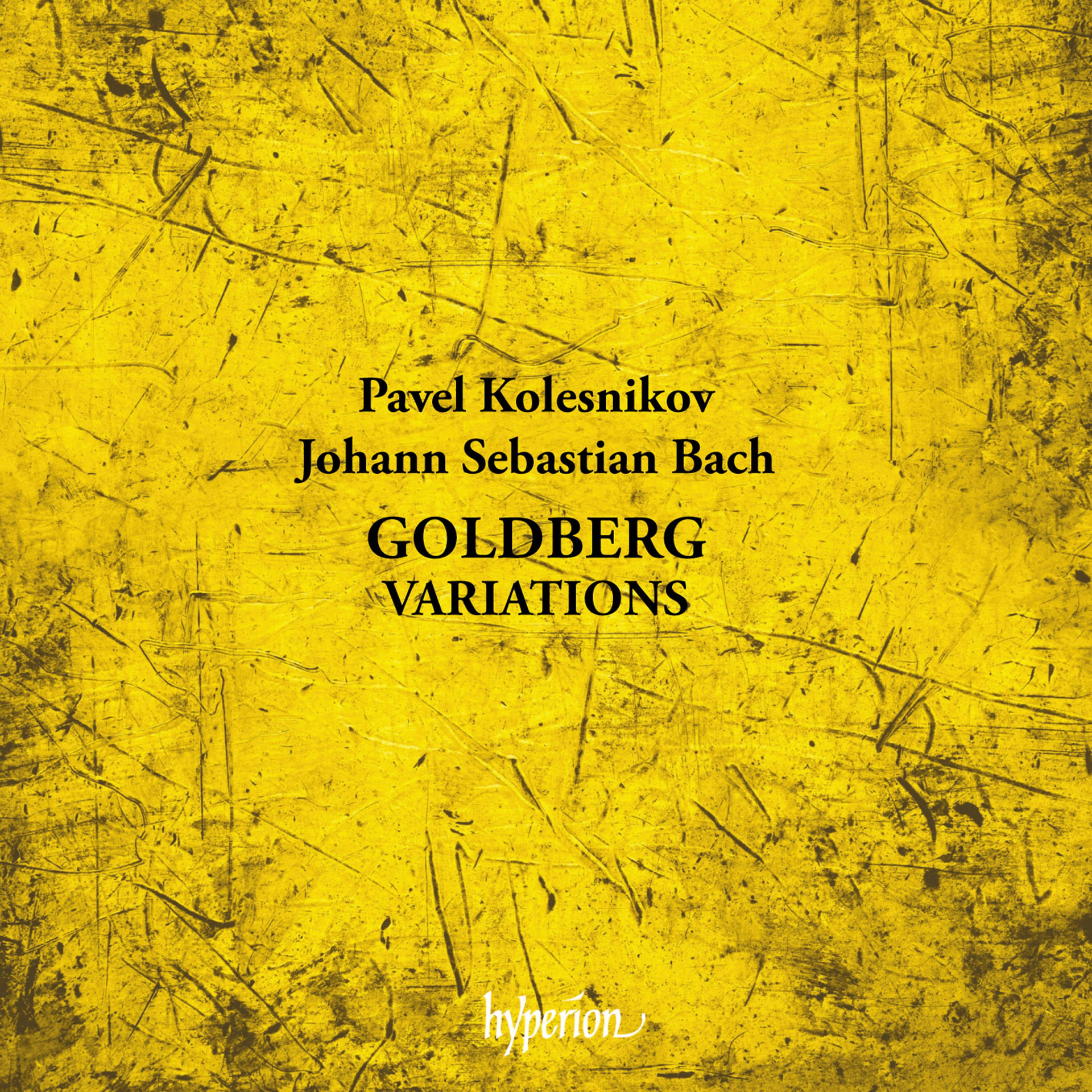
In other works there are different versions of the score used (eg Bruckner symphonies), the question of repeats (eg in Beethoven symphonies), balance of recorded sound, layout of the orchestra (eg divided first and second violins).
An almost impossible task these days, but I miss the Penguin guide, which as well as a good guide, was also enjoyable reading.
1 Like
Thanks for your contribution you retriggered for me to listen to this one. It’s also a nice version while sometimes a bit mechanical.
Yes, “mechanical” is a charge which can be levelled at some performances of this composer, and perhaps a danger arising from too literal adherence to the score. On the other extreme, some musicians romanticise Bach which of course upsets the purists. It’s often down to a question of taste as to which versions we prefer and how much a performance leans one way or the other.
We often get used to a version we have had for some time and we then take as a yardstick against which to judge different interpretations and probably like less even though some may be better (however one defines the term) than the recording we know and are used to.
Yeah I would argue that you have in general two schools. The more towards mechanical or mathematical style. And then the more singing style. I tend to prefer the last one, while there are some fascinating mechanical versions as well….
To spice the discussion a bit I have now put “special versions” out which might spark some discussion
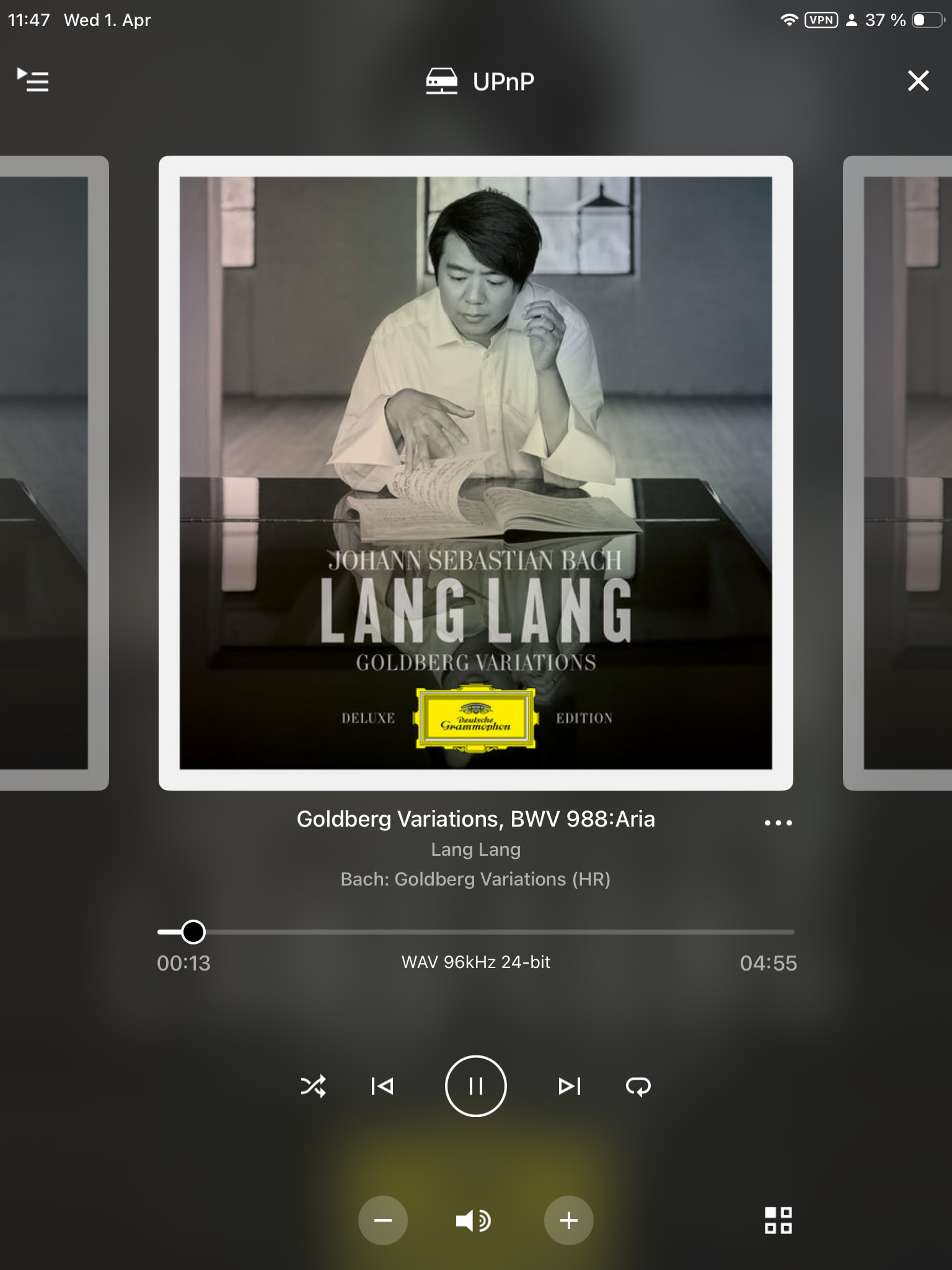
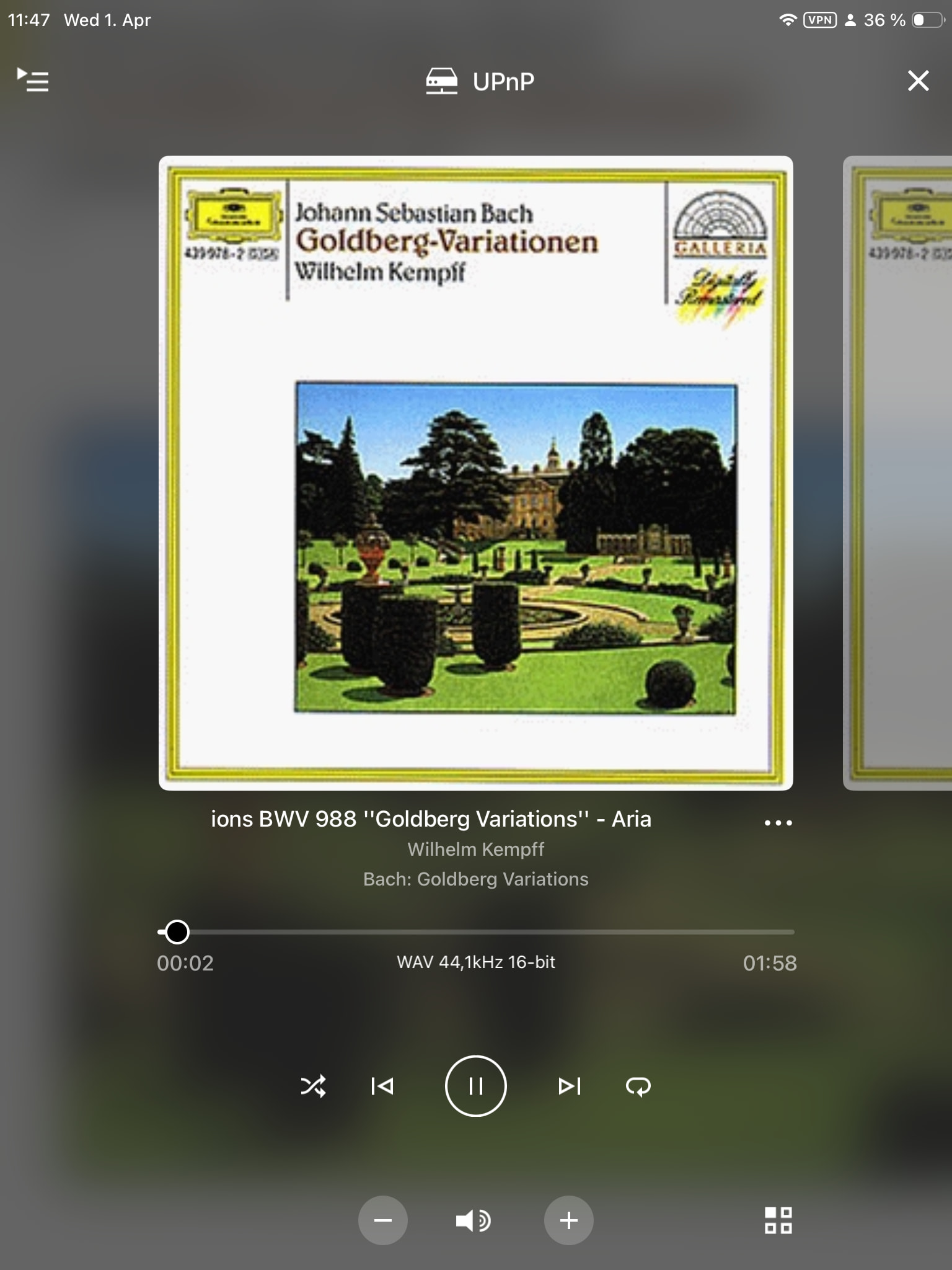
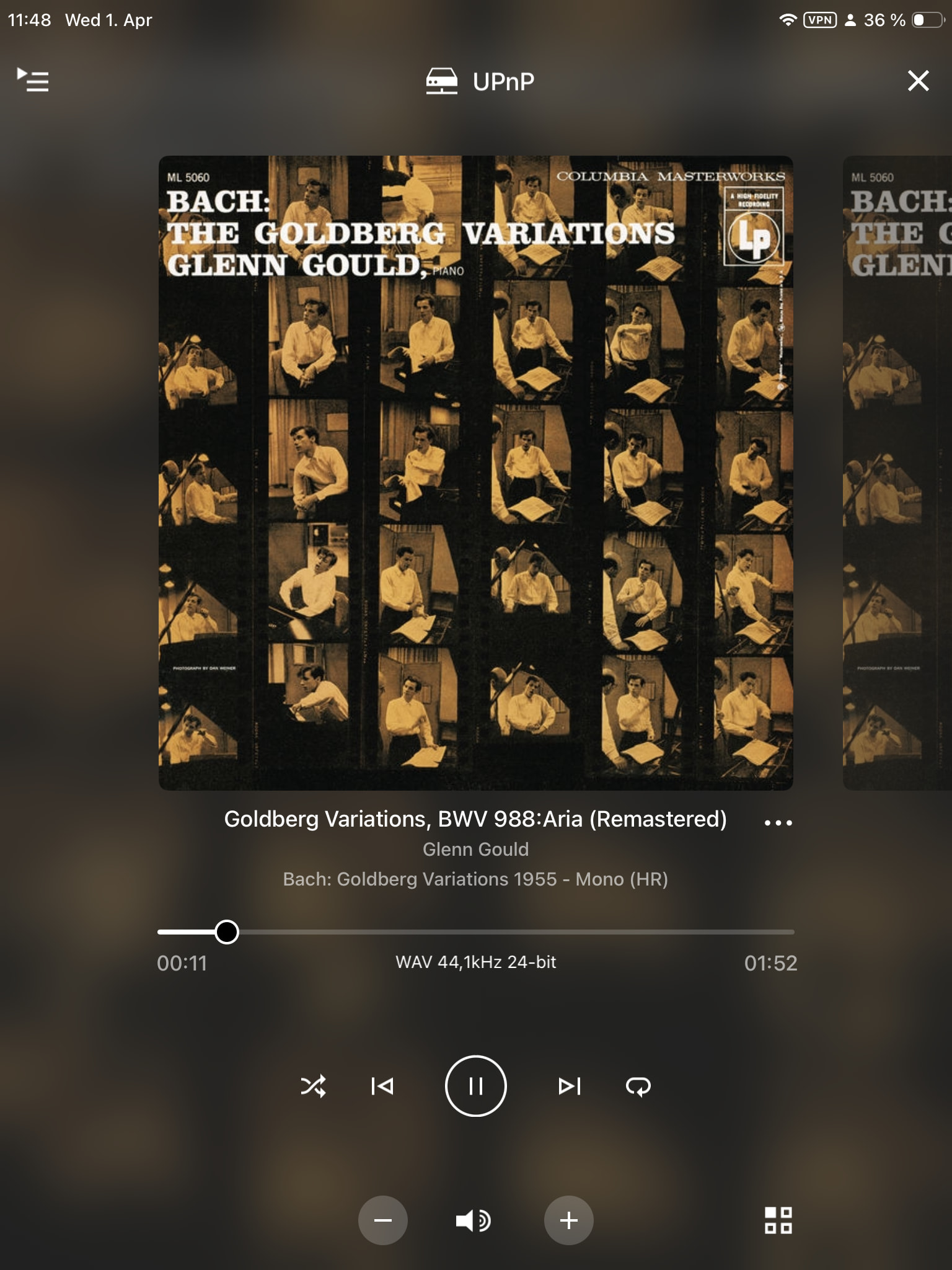
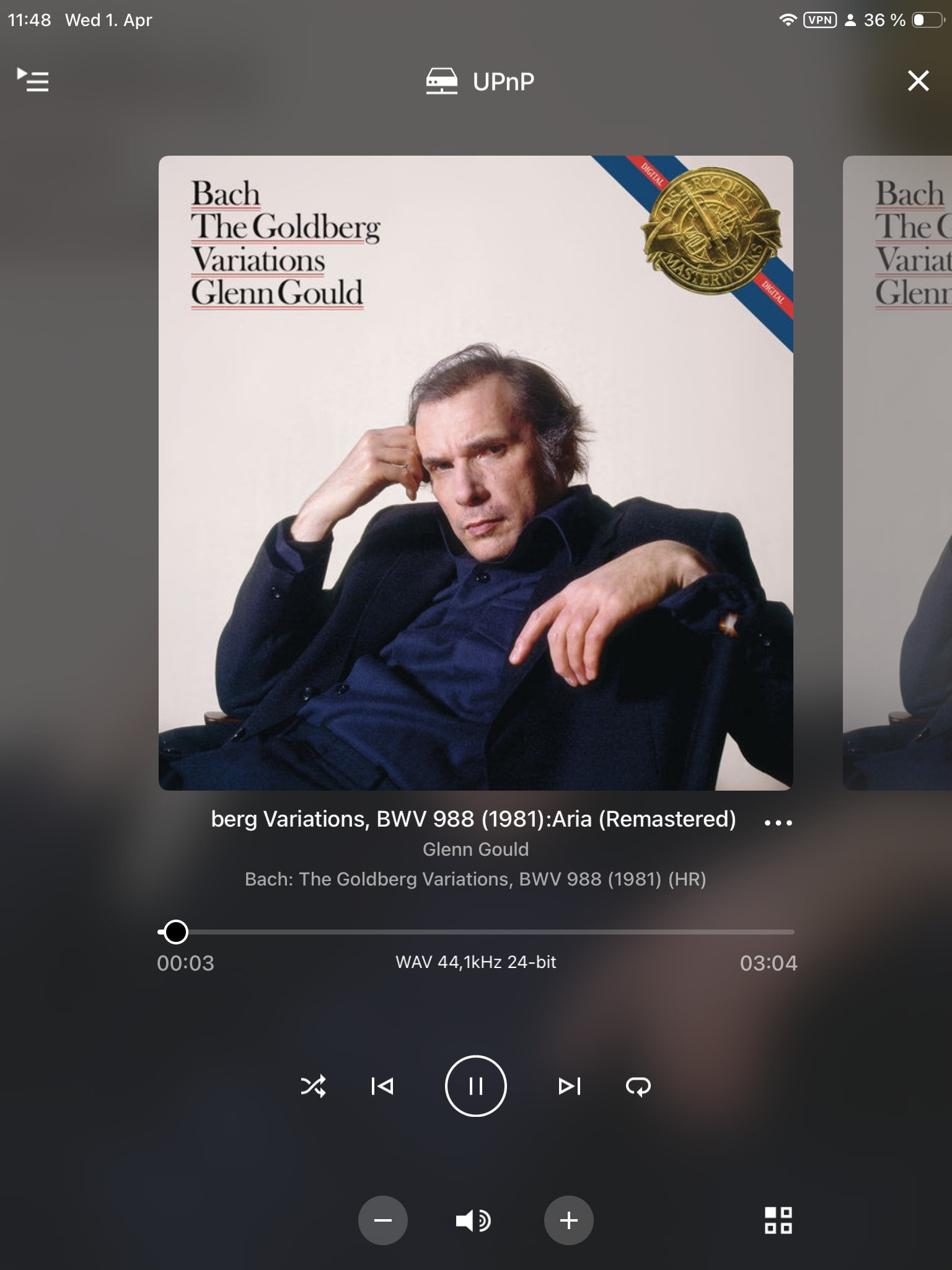
Obviously Glenn Gould with his 50’s and 80’s version - I belief I prefer the 80’s but it’s so different that both can be appreciated.
Wilhelm Kempff - a clean one quite different without the embellishments.
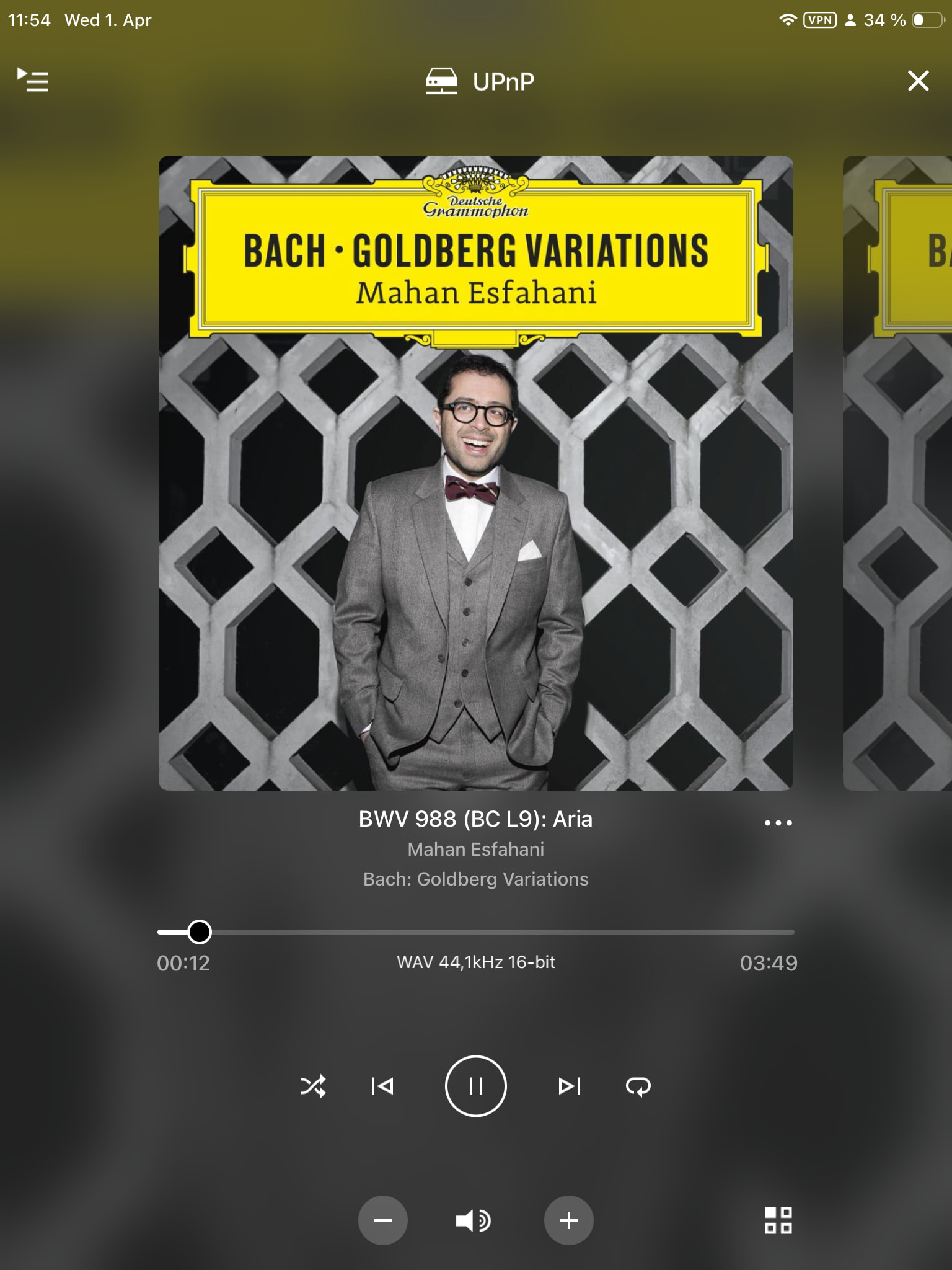
Mahan Esfahani - different instrument, but he has done some interesting Bach work over the years, this included.
Lang Lang - very often ridiculed for his style. But in these two recordings he has added something contemplative to the known versions. I belief the live version of the two is more easy accessible,
1 Like
Good thread, not sure how much I have to contribute though as my collection is much smaller but overlaps with Bert’s.
When I first heard the Goldberg variations I wasn’t too impressed - but understanding the structure of ten sets of variations, with each 3rd variation an increasingly complex cannon, really helped me get to grips with this undoubted masterpiece. I prefer performances that bring out this structure and leave some ‘soul’ in the music. That has not much to do with romantic embellishments, but austerity is certainly part of it, so the most perfumed performances appeal to me less than the ones that start with the mathematics, if you will. The austerity comes from unexpected corners - for instance, I love Fazil Say’s recording even though he is a pianist known for interventionism. But really it’s Angela Hewitt and Beatrice Rana that take home the prize for me.
For a recommendation that is less well known: Andrei Gavrilov, on early digital DG. Or, on different instruments, Nevermind and Trio Zimmermann. And for reference, two renowned recordings that never worked for me: Pierre Hantaï on harpsichord, and Mischa Maisky / Julian Rachlin / Nobuko Imai.
And I look forward to every new recording…
Cheers
EJ
1 Like
II heard Hewitt perform it live last fall. It was something special. But this was my most recent Goldberg purchase.
1 Like
It’s been a long time since I listened to Goldbergs and certainly I’d think that the choice is always personal. I have’nt listened to many as others and my copies are mostly vinyl. So I can only present my impressions of the readings I have heard in the past. In chronological recording dates.
1945 Wanda Landowska
Plenty of gusto but lacking subtleties. Uptempo pieces sound too frantic and careless. Opaque sound does not help. Strictly for historical interest only.
1953 Gustav Leonhardt
Regal and classy set. This cembalo sounds a lot lighter, feathery and pingy compared to Landowska’s Pleyel. Much easy on ears. Fluid , translucent is icy clear moving river water. A tapestry made up on fine silk threads in subtle colours.
1955 Glenn Gould
Blazing fast and absolutely exhilarating. He’s completely giddy. Each note so clear it’s refreshing. Love the rhythmic presentation without much syrup. It’s quite muscline and perhaps a spoon-fed rhythmic structure, but easy to understand what’s going on since Gould is right up close to the pulse of the music. This set shows a tremendeous dextrity of the pianist but can sound a tad monotonous and mechanical. This 2002 remastered version * A State of Wonder* CD sounds better than the original vinyl release.
1961 Helmut Walcha
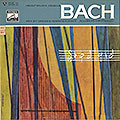
Excellent clarity of notes and upfront dispositoin makes this set direct and immediate. Interestingly, his playing is somewhat similar to ‘55 Gould in a sense that it’s full of life and energy the music sounds so fresh and spontenious. As his organ work, the clarity of left and right hand gives the tune a solid structural ground. Rhythmically alive this is groovy as Gould.
1962 Sylvia Marlow
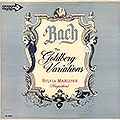
Crisp and confident, the tone of her harpsichord is a bit warmer than Walcha’s and the note comes off meatier and less stringy sounding. Surprised to hear a warm low end on Vr. 4 when the bass kicks in. Overture starts off with a deep resonating opening chord. It’s a bit stiff and orthodox in styling but dramatic and rockin’ on fast paced tunes. Her rendition does not dig particuarly deep but it’s a brilliant playing.
1969 Wilhelm Kempff
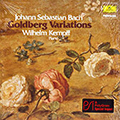
Only Kempff can get away with doing his own improve and skipping all the trills playing it straight. Frank and natural, there is a certain natural ease, almost Gulda like sense of casualness. His style provoke such as jazz piano player more than classically trained one. Certainly more relaxed and less uptight and much freer than Jarrett. Not as upfront as Gould more of a constant continuation of the sound stream. Softer balance on touch of keys. Delicate and masterful. Repetitive movements with a slight variations must have the same brain stimulant as listening to stream of river or ocean wave. It’s well thought out and planned as Tharuad, but the difference is that Kempff won’t let the mechanism showing so the music happens naturally. Even his Overture is casual almost in a rehearsal mode. Kempff slowly starts building drama in the Side B. No.25 doesn’t get too overly emotional in his usual way.
1981 Glenn Gould
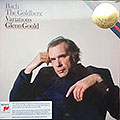
Coming off directly from the '55 version, the intro is quite solem and slow. More variations in tempo and pacing than his '55 veresion. Expressive through out and has more texture and richer tonal colours in that it’s more interesting and deeper study of the score than the older wild ride version. I don’t think that his enthusiasm hasn’t been lost in this version. It’s just little bit more delicate and digging deeper. Upright and perky or soft and flowing depending on the tune. Confidence gained by maturity.
This is an analogue mastered version of vinyl. Warmer tonal balance than the both the original digital vinyl and A State of Wonder CD reissue. The opening note emerges from a blacker background. Astonishing amount of low level details and dynamics Leaving the digital issues completely dead.
2015 Alexandre Tharaud
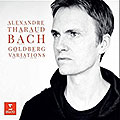
Surprisingly Tharaud takes a measured slow tempo altho, somewhat expected of Thraud’s usual intellectual approach. Each note is precious and delivered with care. Tender and gentle genuinegly contemplative approach surely fit to induce drowsing. Ethereal and cerebral. But he adds an extra harmonic overlay making sure the tunes stay rich and colorful. At times, he even tries to emulate jangly harpsichord sound. There is a sense of playfulness and esprit. No.25 Adagio sounds like a backdrop for a French cinema. Tharaud maintains a high tension all through bottled up angst are felt through this melancholic tune. The ending Aria diminishes like a mist evaporating in the dark.
So there you have it. Enjoy your musical discovery!
3 Likes