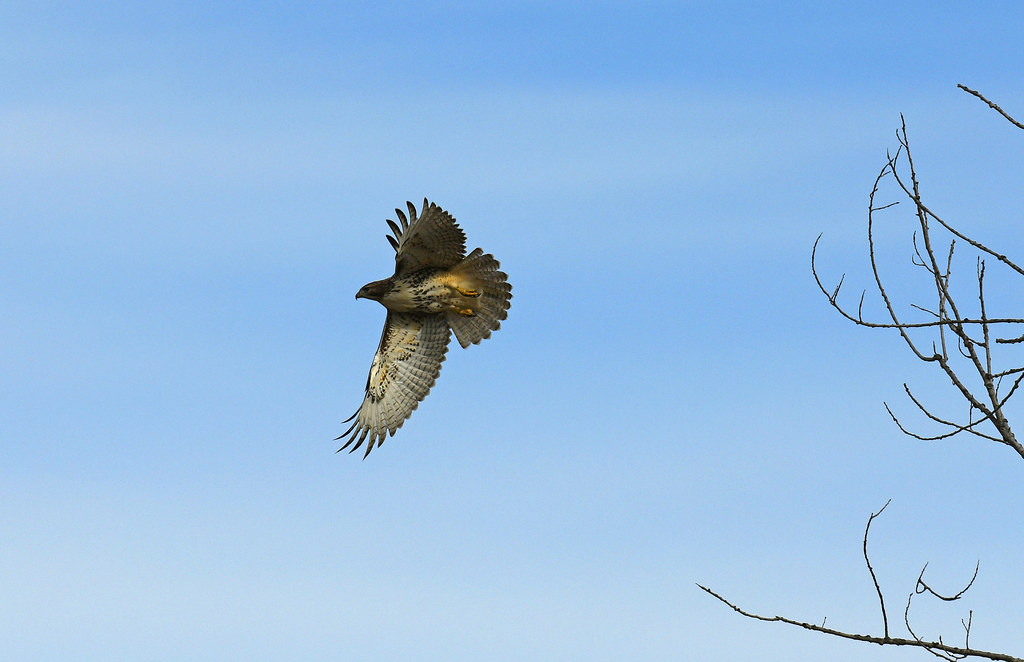
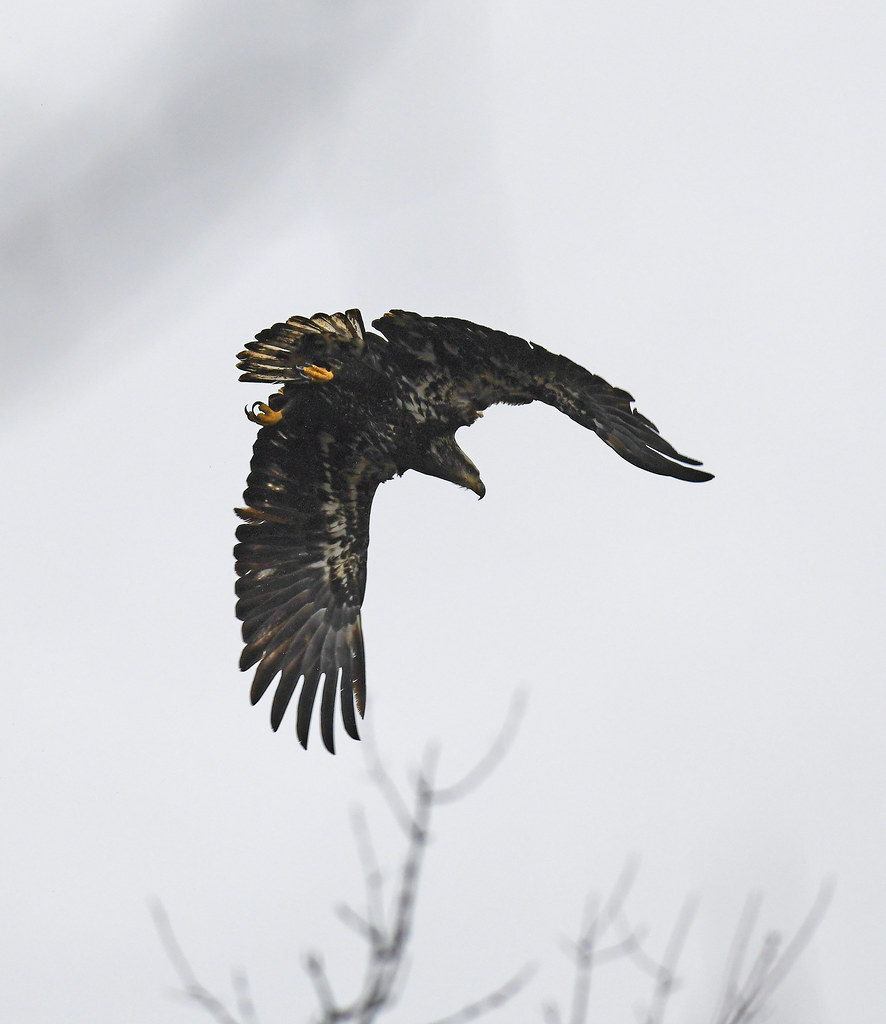
The Red-tail is kindly dipping his right wing, enabling the weak afternoon light catch his delicate plumage tones. In bright sunlight a lot of it is just washed away. I noticed him perched on the tree and stopped for a few minutes in hope that he lowers his guards but to no avail. With the very first steps I must have crossed an imaginary red line and he took off.
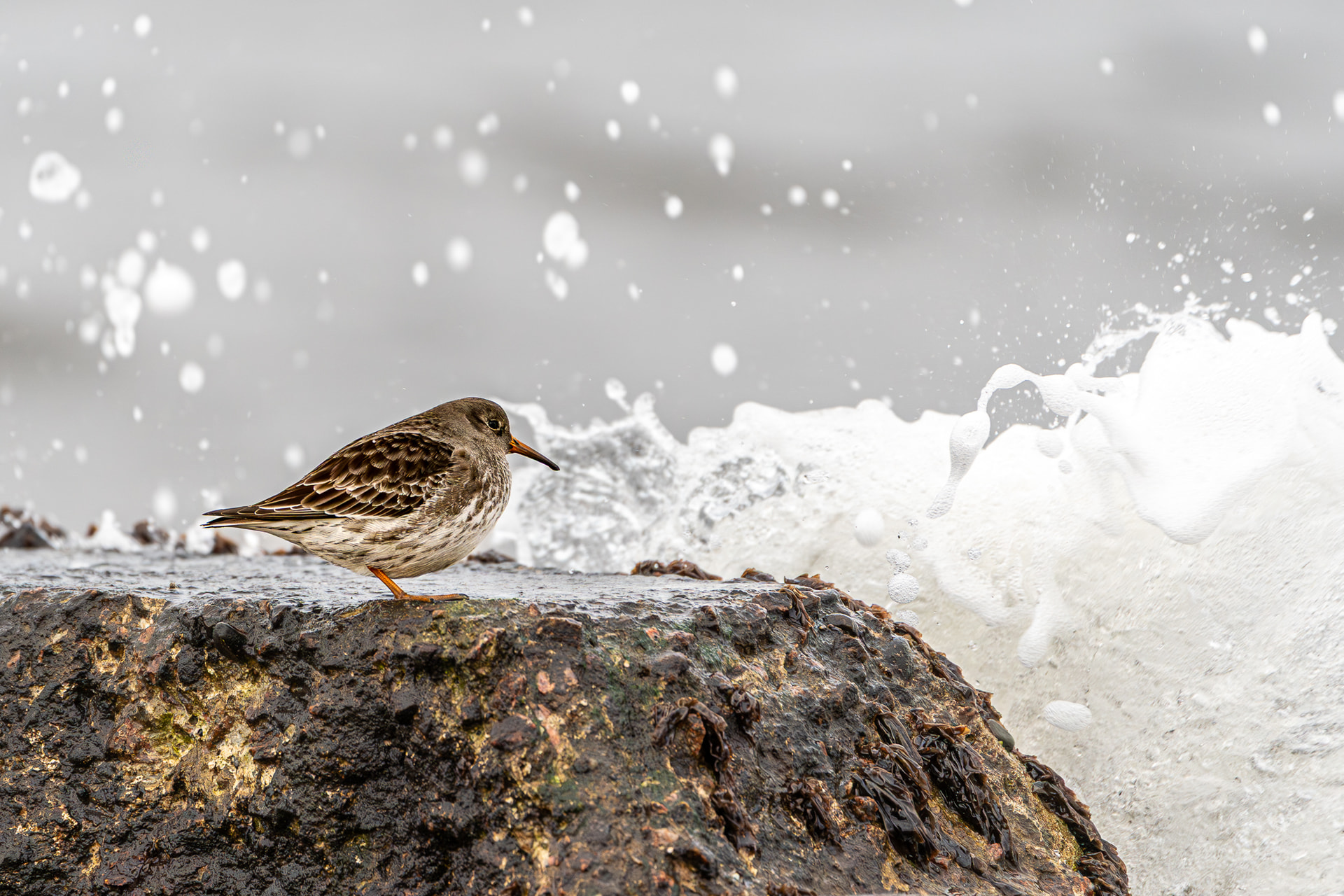
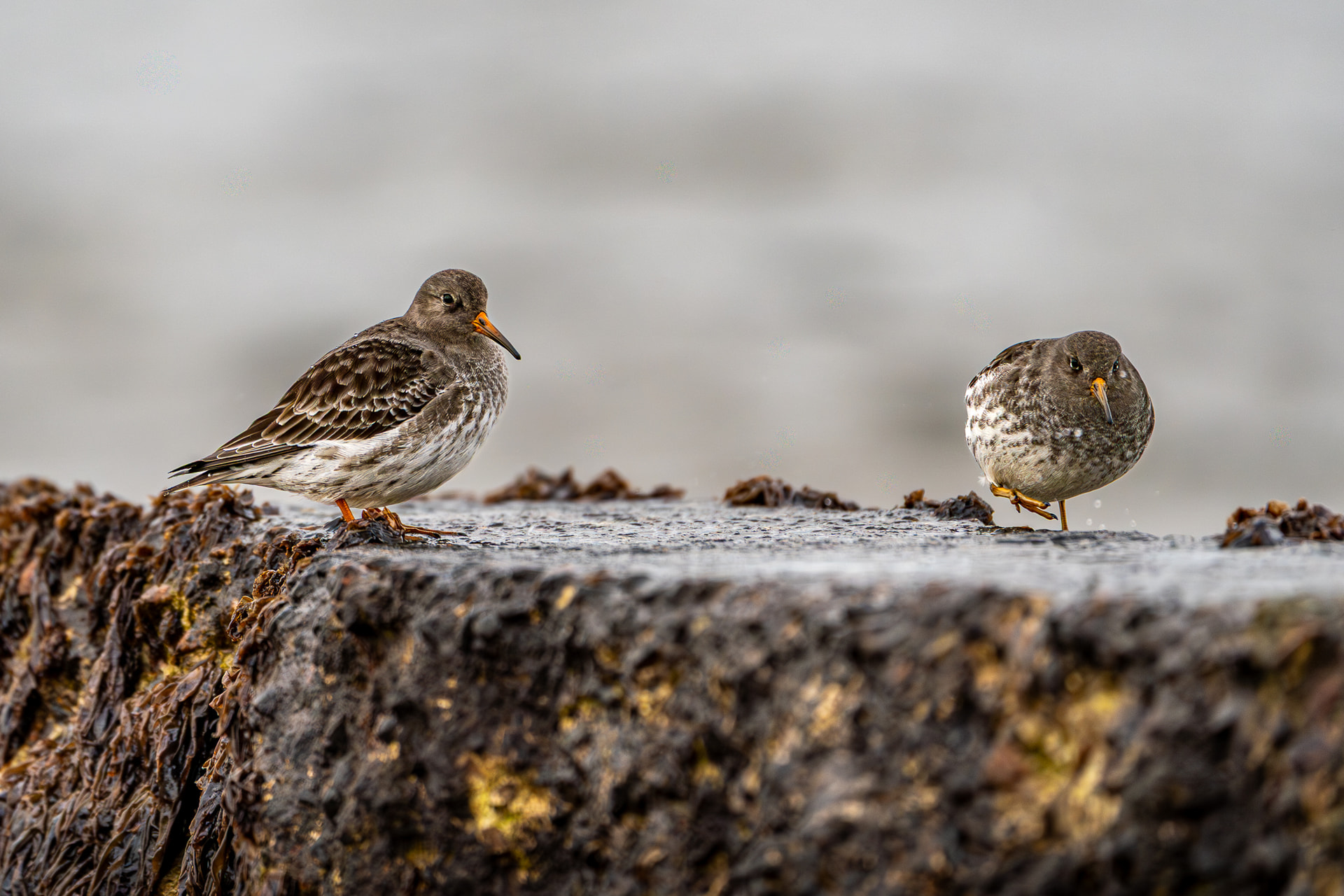
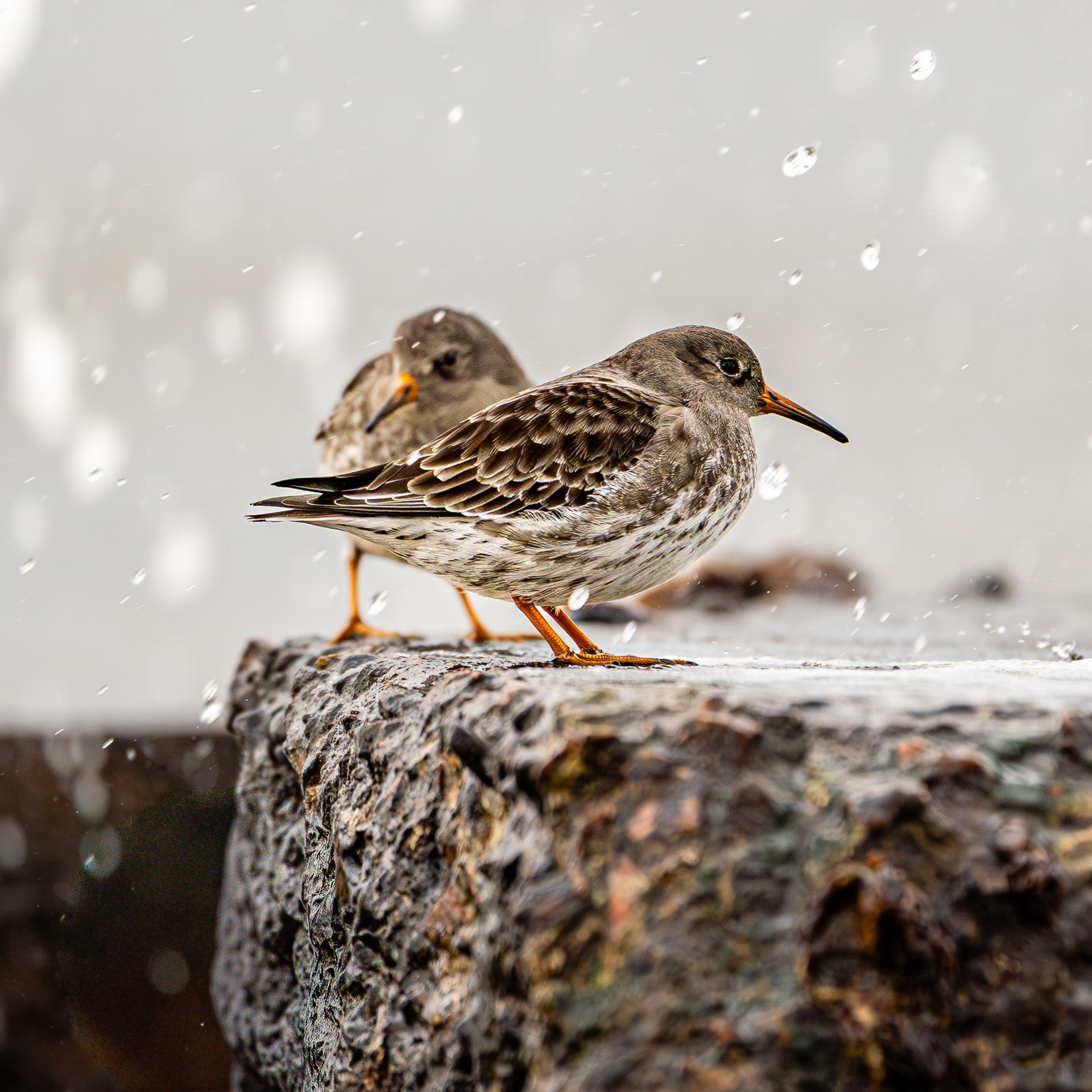
After several attempts at seeing them, I finally managed to catch sight of four (not often seen here) Purple Sandpipers, which have spent at least a week on our beach in Nairn. It was a pretty dull morning, but they allowed me a surprisingly close approach, in between dodging the waves that were trying to wash them into the sea.
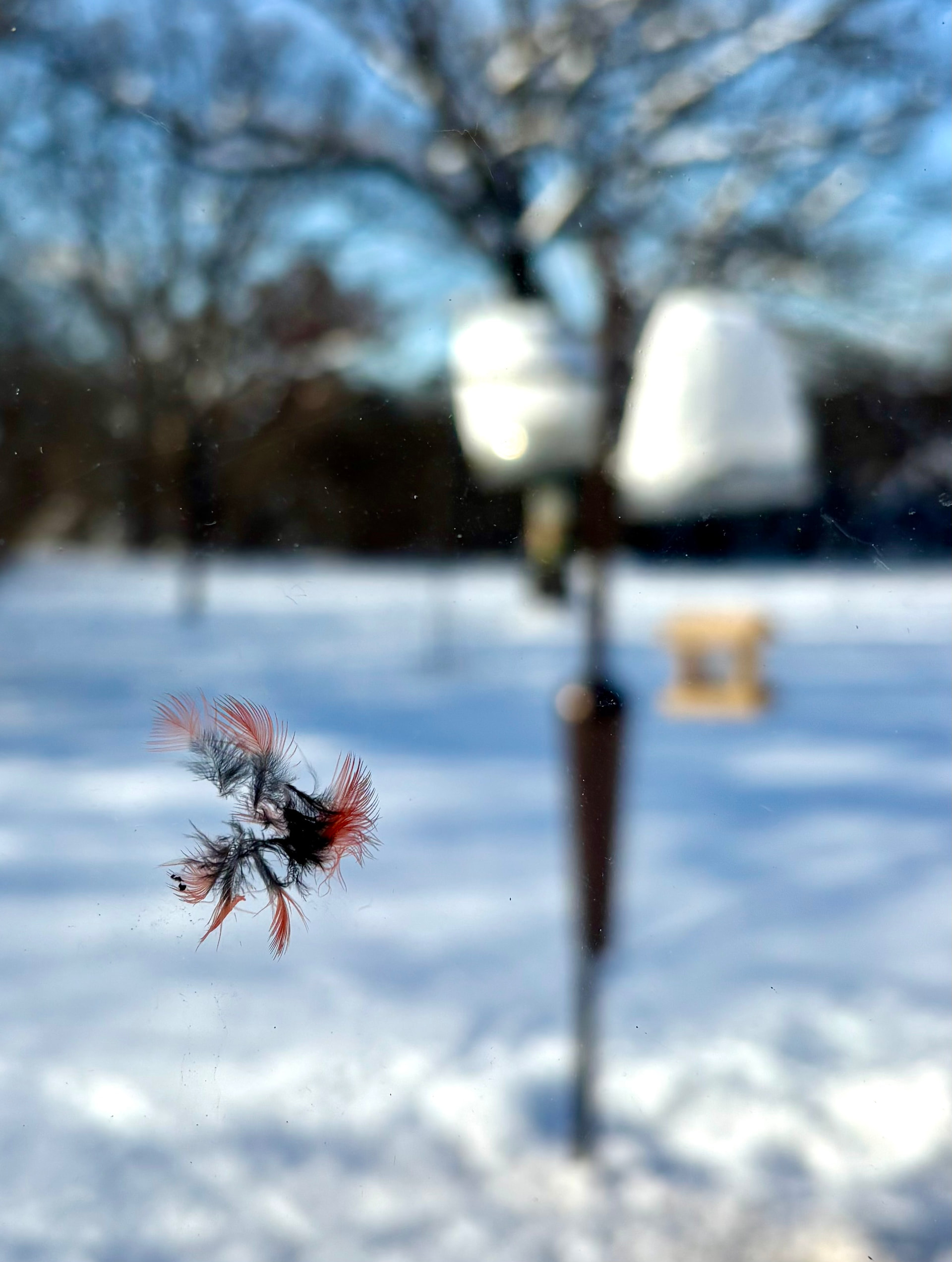
A signature with a very loud bang a male Cardinal had left on our window this morning. Lucky for him, after lying on the snow for long minutes, he found his bearings and flew away before any of the Cooper Hawks could detect him.
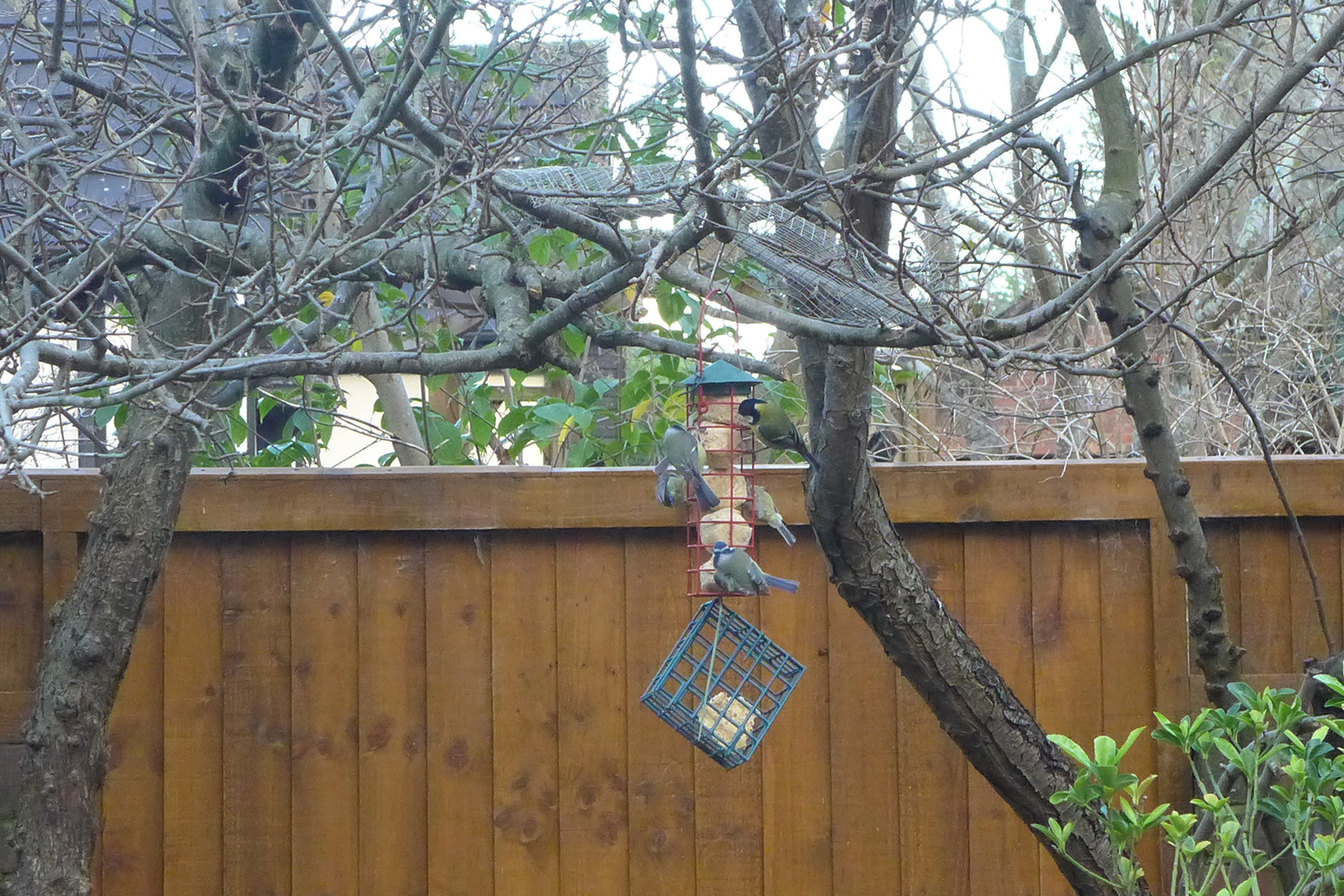
With my little Lumix lens range at full stretch though the kitchen window (so please forgive the photo quality) …but have managed to bamboozle the crows by zip-tying the lid on the suit ball cages, and placing a piece of wire netting above so the crow can’t unhook and bombs away the feeders.
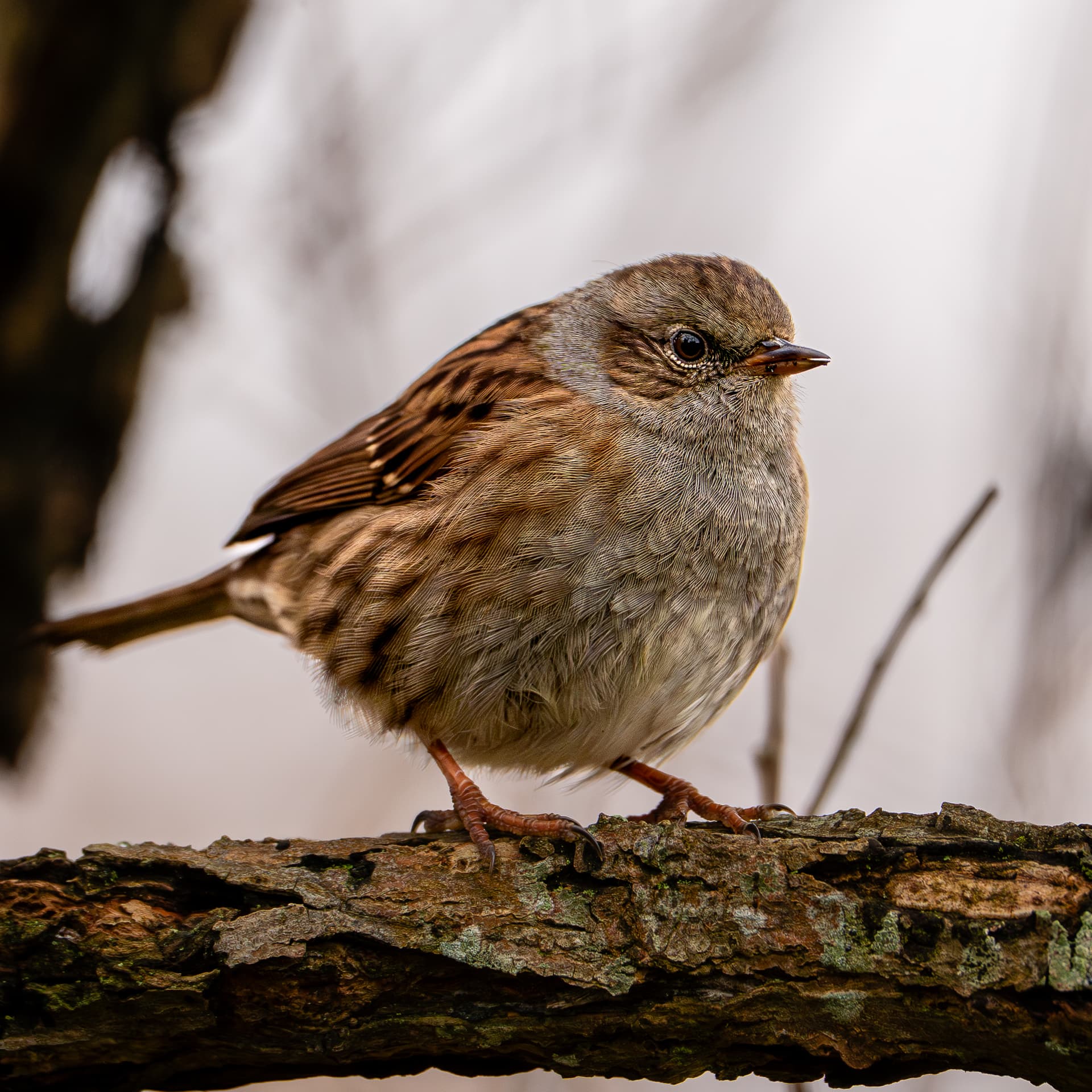
It’s blue tits and a couple of great tits that frequent mostly, and a regular few hungry house sparrows and dunnocks appear too.
A few times a week i’m lucky to catch the sight of a flock of seven or eight long tailed tits that stay to feed within a minute or so before all moving on together.
Spotted a nuthatch a few days ago, comes everyday maybe (?) but doesn’t stay long.
I put out food every morning for the birds. The last 3 or 4 days I’ve noticed an obvious increase in the number of birds singing.
I’m wondering if they think it’s spring. The wood pigeons do, I spotted a pair mating on the fence a few days ago.
Good to hear you see finches.
The summer this year i hung up a six-port nyjer seed feeder but didn’t see a single finch… only the odd blue tit and curious sparrow taking a few but the full feeder supply only went down an inch in over 2 months, had to throw it away before risk of it going rotten.
It’s been over 15 years since the last time i put out nyjer seed, and back then there were loads of goldfinches, greenfinches, chaffinches - usually ground feeding, and even an occasionally bullfinch sighting. This year not one single finch of any flavour.
UK has suffered a serious decline in all the Finch species because of Trichomonosis.
Greenfinches are worst hit (red listed) but all the other Finches are seriously down, as are most other close relatives, I haven’t seen a Siskin in the garden for years.
I have regular Goldfinches feeding on nyger but a lot less in autumn & early winter as they’re out in the country feeding on wild seed heads, thistle being the favourite. They’ll be back on the garden feeders more regularly as winter changes toward spring.
The big problem with us garden bird feeders is the feeders are hotspots for spreading Trichomonosis. I/we do clean & sanitise ours, but not as regularly as we should.
I very rarely have finches feeding in the garden. Although I don’t have a bird feeder, food goes on the grass and the bird table.
There are goldfinches knocking about, I hear them all the time. But, even when they are nesting in a tree in the front garden they don’t feed in the back garden. Every afternoon in the summer they perch on the telephone wire above my drive, singing.
Most afternoons/evenings in the summer, there will be greenfinch perched at the top of a tree in my garden, singing for what seems hours. But I’ve never seen one feed in my garden.
I occasionally see chaffinches feeding in the garden. But not as often as I used to do.
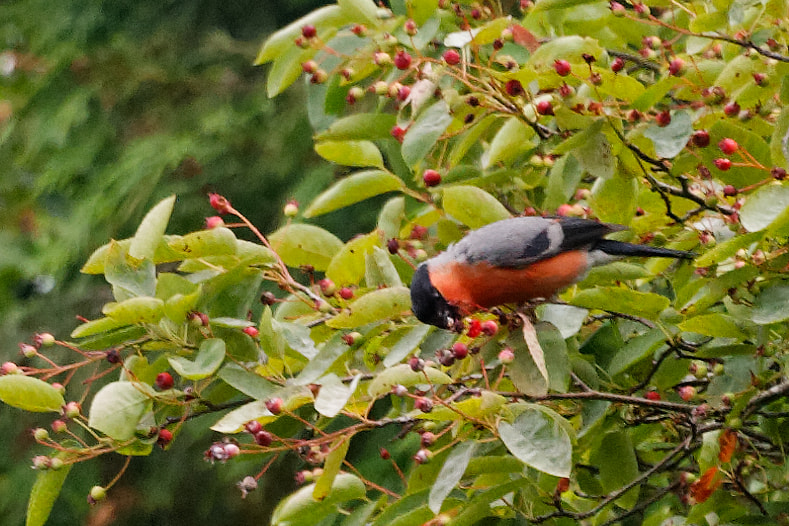
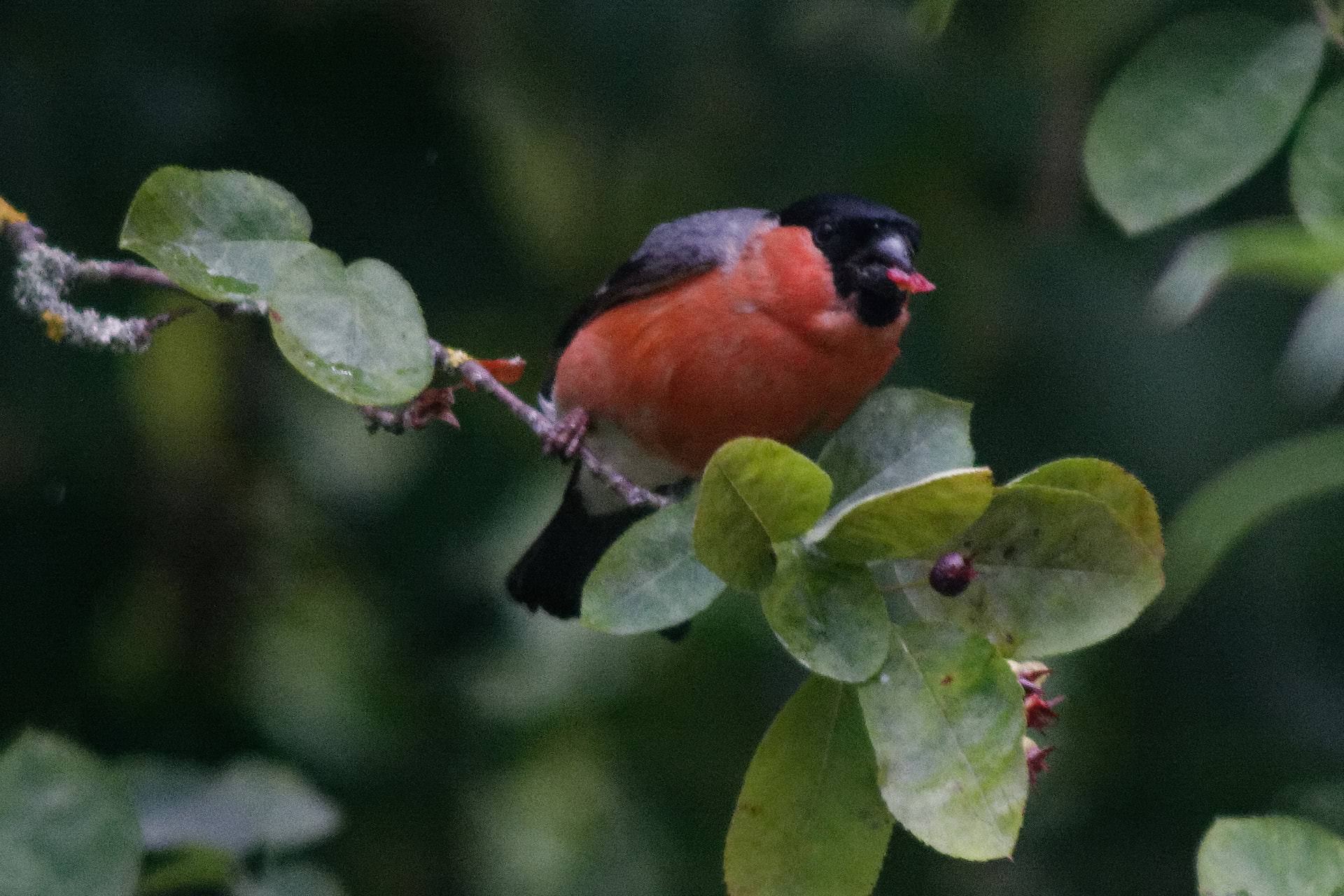
Bullfinches do feed in my garden, but only in June, when the wild cherries ripen.
The wild cherry tree attracts a lot of birds. It’s comical watching wood pigeons trying to eat the cherries. As they move along a branch towards the cherries, the branch becomes thinner; the branch will sag, causing them to fall off.
I was completely unaware of this issue and hands up confess to never regularly cleaning the feeders. I may now have to re-think this. I live in N Ireland - do you happen to know if the issue you mentioned is a specific geographic issue or is it likely to be a factor over here?
The summer here was significantly better than last year and the feeders were not nearly as intensively used in 2025. In the last three to four weeks I have seen a very significant increase in the numbers and varieties of birds. Unfortunately word has spread amongst the starlings which until now have been completely absent - I fear their numbers might increase to the detriment of the smaller species.
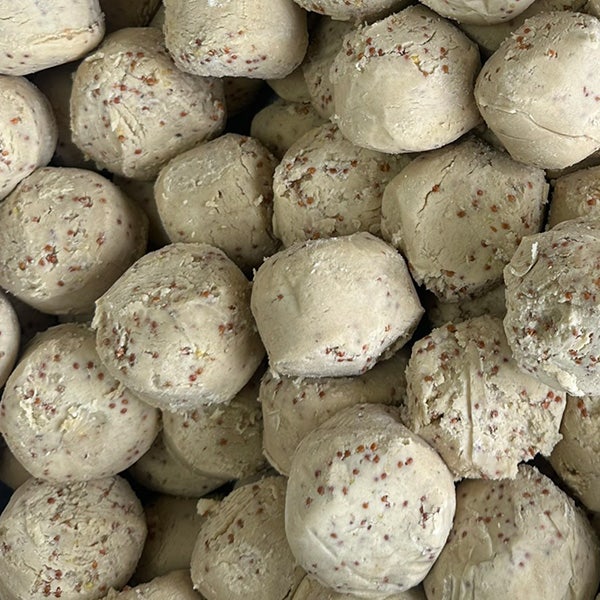
I have bird seed feeders in four locations of the garden and at the moment have found Tesco’s to be very popular. Two of these feeders I place meal worms around the bottom trays - they seem very popular. I also have a feeder filled each morning with fat balls (Pets at Home are popular); and another filled with peanuts which the little birds love and a small group of pheasants regularly walk round to look for peanuts on the ground.
I am not at all knowledgeable about birds so any pointers from fellow forum members would be most welcome.
Hi @northpole … I’m affraid that Trichomonosis occurs worldwide except in the polar and coldest continental regions
Its affected all the pigeon & dove varieties and birds of prey for some time.
It came to promience in UK during 2005 when first seen in finches. Greenfinches and Chaffinches have been worst affected, but its been seen in a number of other species such as House Sparrow, Dunnock & Tit .
BTO work on finch trichomonosis highlighted the role that garden feeding stations may play in disease transmission and they recommend bird feeders, tables and bird baths should be regularly cleaned and disinfected weekly to avoid any build-up of food waste and bird droppings. It also helps suppress avian flue.
Local birds ignore the generic fat balls found in supermarkets. I find Home Bargains premium disappear rapidly. Also, goldfinches ignore never in favour of sunflower hearts. I cannot put mealworms out on their own, I don’t know how far or fast the smell travels but starlings mass within minutes. I mix Home Bargains robin food with their suet pellets and a small quantity of mealworm. About 11 am this morning, magpies, crow, blackbirds, starlings, dunnock, sparrows, a great and a green woodpecker, pigeon and collared dove.
It pays to buy decent feeders, sadly I cannot find the brand that I have any more, metal and poly carbonate, the lid has a magnetic closure just two bolts to undo. It took me a couple of hours to disassemble four, scrub in bleach solution, rinse well, dry and reassemble and fill yesterday…
Yes I noted that, problem is unless everyone (as in the whole population) remove bird feeders it’s never going to be effective.
However my local RSPB reserve at Otmoor are still feeding
I removed my feeders some weeks ago for a sanitise and some to be replaced, but I will be putting them back today/tomorrow ready for the cold & frost that’s forecast.
Really - I have gone onto the RSPB membership site and see no reference of this… sure info on what to do if you see a sick bird, and which birds they suggest not feeding - specifically water fowl to help mitigate against the avian flu virus spreading
The shop also has many feeders for sale and being promoted to help birds .. so am intrigued where you saw this so there appears no undue concerns with feeders with other birds and indeed the RSPB are encouraging their use hygienically over the colder winter to come.
and yes of course the RSPB always recommend hygiene on feeders and bird tables to help prevent disease.. and if you see a sick bird in your garden - disinfect and break from feeding for a fortnight.