OK, I did it, one hour late morning, one great tit, one dunnock, one starling and I could hear, but not see a robin…
How depressing for you. I wonder where they have gone. I had a reasonable hour although a number of regulars decided not to make an appearance until the next day.
I had an incredible turn out - too many for this dim wit to accurately count. The one species missing was the dunnock which has been a regular visitor up until a week or two ago. No idea why they have stopped visits!
Peter
I might go for frustrating. The depressing thing is the local school and many neighbours cutting down the ancient hedgerow the forms our boundary.
This morning I refilled the feeders just after 9am. Within 15 minutes the garden was full of starlings too many to count. By 10:30, they had gone, in the time it took me to get a hot drink there was a wren, a dunnock, two pied wagtails and a tree creeper. The wagtails seem to venture out of the local shopping centre every couple of months, there are two lakes and a brook less than a mile away. The last time I saw a tree creeper was possibly six months ago. Speaking to a neighbour, they pointed out that in the last couple of months the jackdaws that live on their side of the road have disappeared.
Strange times.
Me too had a depressing ‘Birdwatch’, but not surprised as the local garden bird population has really gone down over the last months ( I posted about this a while back ) I had doubts about submitting the Birdwatch stats as it’s not representative of my garden.
To add to the plight of the birds, last friday I had tree fellas in to remove a 4m section of very old longtime dead Ivy covered Hawthorn.
The Ivy was 5 star luxury high rise nesting for them all ….. and the Ivy seeds kept the entire neighbourhood pigeons fed.
Like I said .. depressing
2 Likes
A reasonable BGBW last weekend, but not outstanding - just most of the “usual suspects”.
The “house sparrow air force” has been back in numbers for the last month - a good dozen turn up regularly in late mornings, but we had only five during the survey.
2 Likes
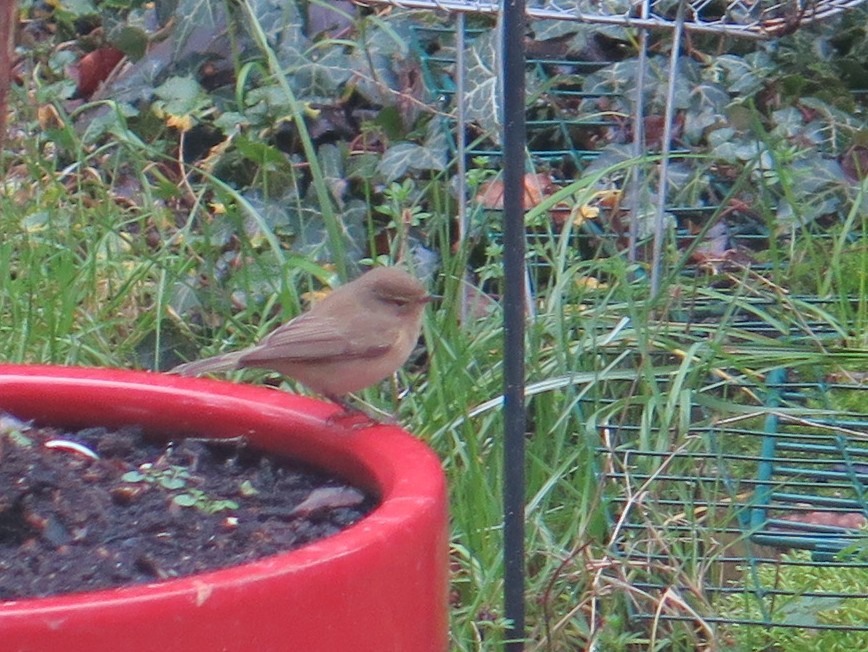
I’ve managed to get a picture of the “mystery” bird. In fact, yesterday there were three. All the same, no clear markings. Despite that, I am now reasonably sure they are goldcrests. If so, it’s a first, in the past I might have seen one a year!
1 Like
Chiff chaff ?
1 Like
Definitely not a goldcrest.
Looks like a chiff-chaff. Often overwintering and habituate woodlands and gardens.
Winter plumage tends to loose the summertime olive and eye stripe markings and turn more rust/grey.
1 Like
Thanks, yes, chiff chaff fits. Didn’t come up in any of the bird finders, been here 48 years and never seen one.
My house is part surrounded by rough open shrub-land and great chiff-chaff country. During the spring/summer I frequently hear two or three or sometimes more calling from different points, hearing is one thing, spotting is something else.
1 Like
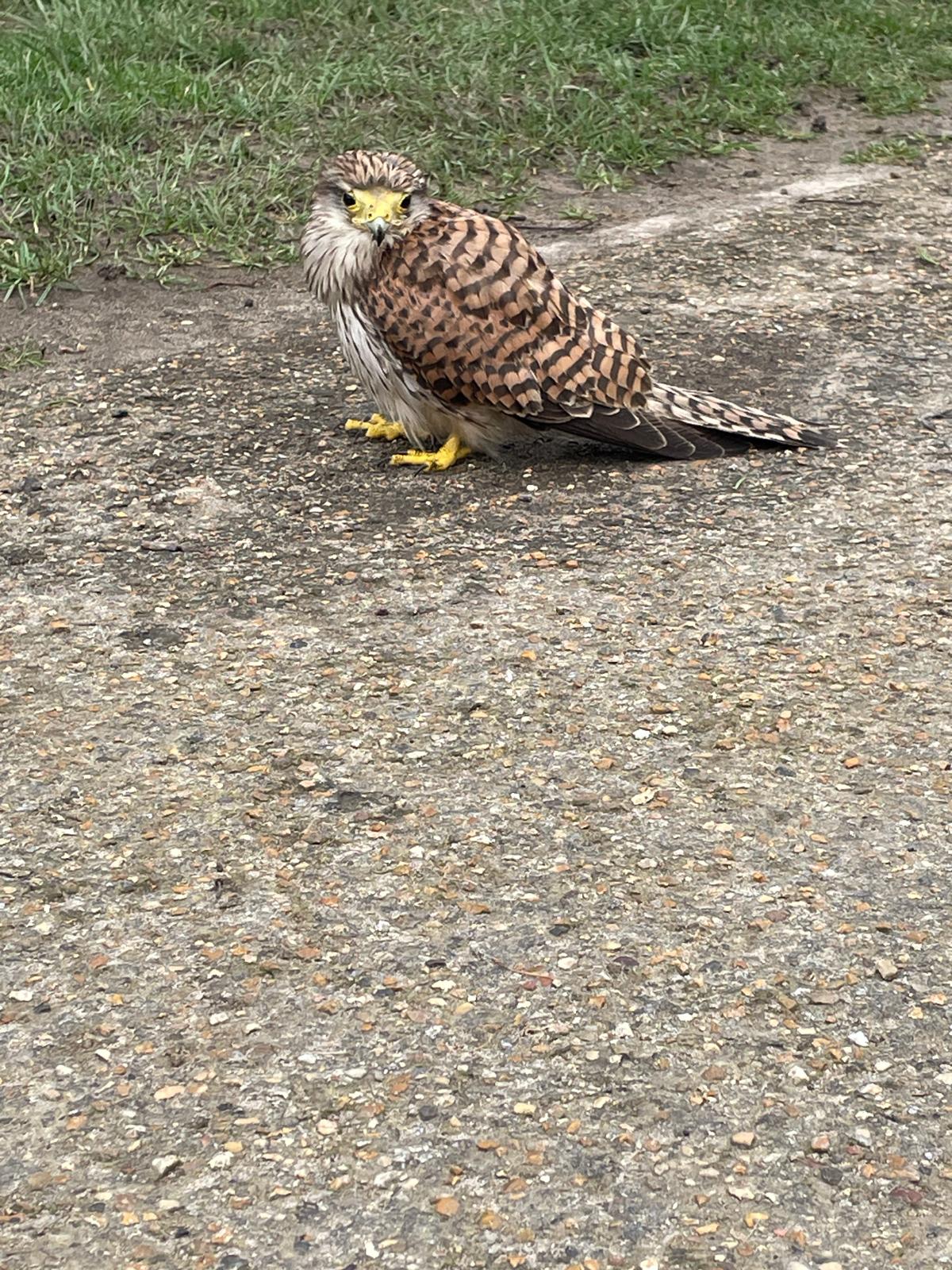
Any ideas what this is? Its taken up residence in the village. Suspect it belongs to a local falconer. Very distinctive yellow face.
4 Likes
Suspect it’s a juvenile peregrine falcon.
Key ID pointers …. vertically streaked underparts, contrasting with the horizontal barring of adults, a dark brown back, pale cream-buff breast and dark eyes.
Thanks Mike. It was the striking yellow face that made me think it was something even more exotic but Peregrine is exotic enough  .
.
Apparently it doesn’t belong to our local falconer after all. But I think he is coming out to capture it.
The local falconer coming to attempt a rescue is great news, they will confirm what it is.
Keep us updated please.
I suspect it’s a captive bred bird whatever, it’s a juvenile for sure but it’s way outside any wild bird breeding season. Wild birds only start egg laying in March and early April.
Will definitely update when we know more. I am sure you are right that it is captive bred as it is very tame and not wary of humans at all.
1 Like
No pictures ( I didn’t have the phone with me) but 30 minutes ago while walking Harvey, the first harbingers of spring flew over making their usual racket. About 2-300 gru gru ( common crane). Many more to come but it’s a good sign that the weather is warming.
1 Like
I think it’s a Kestrel with its face feathers missing! The colouring is right for a female Kestrel though. Peregrines are considerably darker.
Cheers,
Ian
1 Like
My first thoughts also were Kestrel, so I ran the picture through Goggle Images, and it came up with…..
…… female common Kestrel (Falco tinnunculus).
Beautiful plumage!. Odd about the face though. I hope that it’s OK.
And @PW42, please do let us know if you get any more info.
2 Likes