The tantalum capacitors in my hi cap had blown when i powered it up after about 15 years when it came down from the top of the wardrobe. The 72 and the 140 were fine though.
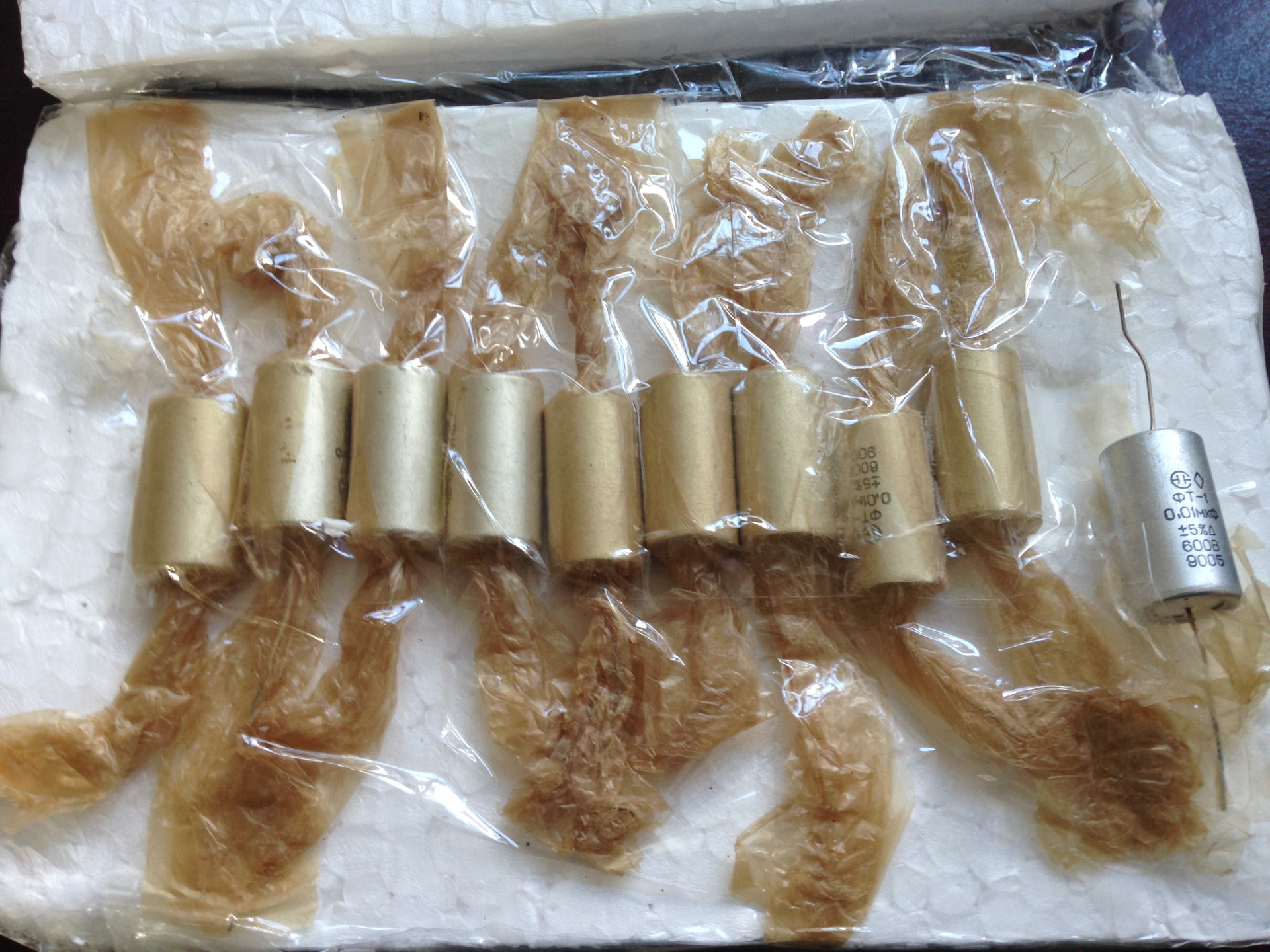
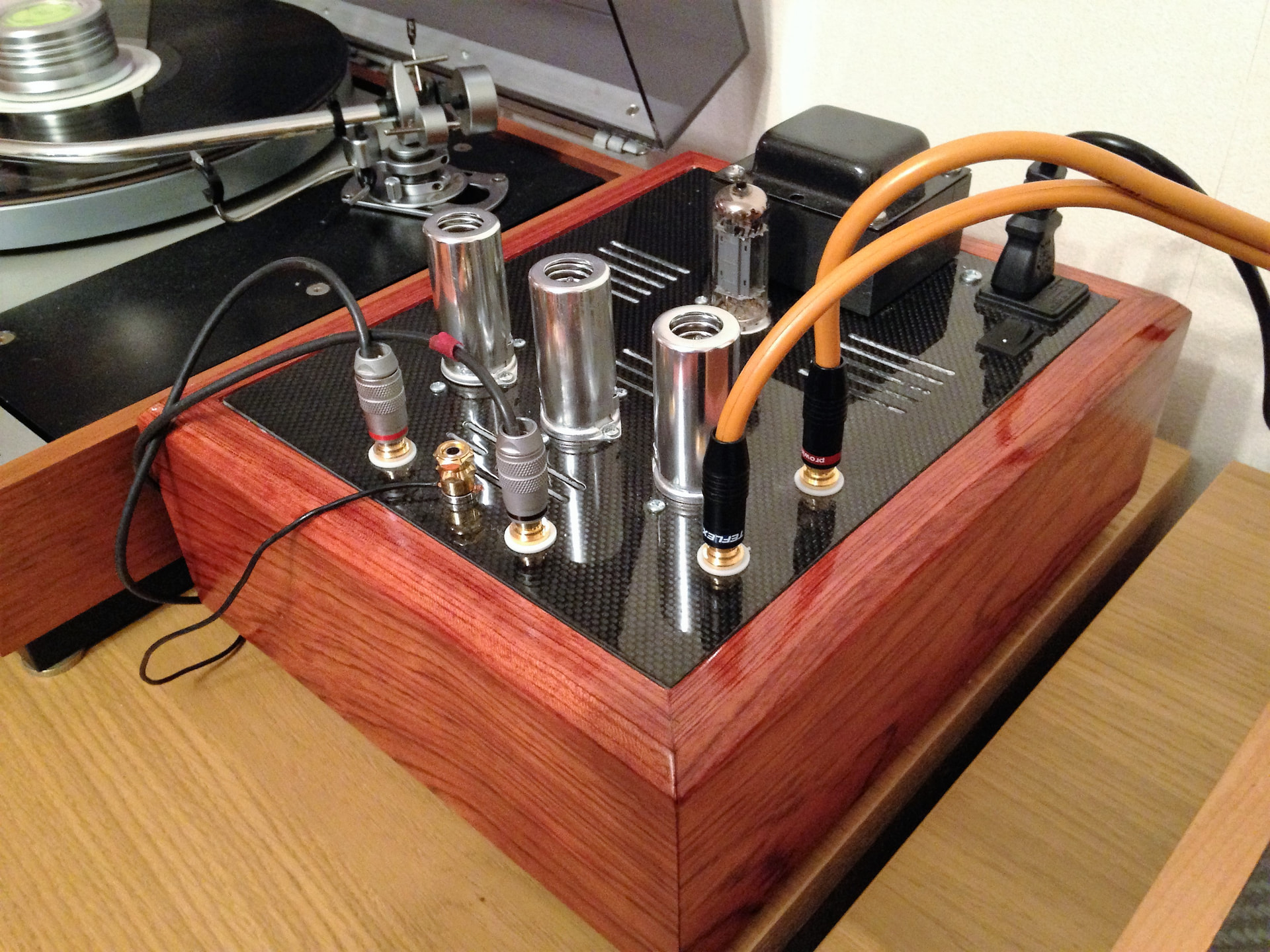
Fwiw when I was upgrading my tube phono amplifier I purchased ten Russian teflon capacitors to replace polypropylene caps in the RIAA stage with a matched full teflon RIAA stage.
The modern caps that came out when measured had a variance of 8% from specified rating.
The surplus Russian Teflon caps I would guess are probably 50 or 60 years old. There tolerance value rating was +/- 5% the worst of the bunch was 3.5% out so well within tolerance. Out of the 10 all were 10nF or over none were under the specified value. I required eight for the RIAA stage this is how they measured
3 under 0.5% tolerance
3 under 1%-1.5%
2 around 2% - 2.5%
These I averaged out to get as close to the designers specification as I could.
3 Likes
nice to see screens around those valves.. valves can be great tools to work with - but are not always optimum in our increasingly RFI noisy houses.
I assume that is a rectifier valve at the top? without any screening which is fine in my opinion.
.. and yes unfortunately capacitors using chemical di-electric of some description will degrade over time on their own - just through chemistry… but will vary on the chemicals used, however typically such a degradation could be over many many years even decades., and would likely outlive the life of the associated product.
Other capacitors degrade through time through increasing ESR of the electrolyte when in use. The ESR casues heating which further ages the electrolyte and hastens the demise of the capacitor. Electrolytic capacitors are prime examples of this which is why the are replaced from time to time where optimum performance is required.
On my HT smooth on my high power valve amp - I replace the electrolytic capacitors every 10 years, as a degrading electrolytic there could heat really quickly and explode as we are talking more than 1kV
2 Likes
Paul McGowan/PS Audio recommends leaving equipment on for longevity. Have to say I always switch mine off or to Standby. Always have done.
Ooh, a word new word - thanks! At first I thought it must be some form of typo, but couldn’t fathom what it might be supposed to be so I looked it up.
1 Like
its a balance.. some components as I posted above age through being powered - yet other component circuit modules work optimally or near optimally when they are operating at their quiescent temperature which is reached by being under power over a period of time.
But yes switching on an electrical/electronic appliance (and in some cases switching off too) is considered often stressful on components, certainly if there are reactive loads and hastens aging.
1 Like
I can probably find his PMG’s video but it is apparently something like the current in-rush that is most likely to cause damage over time even though modern audio components are protected against this … .
For a lot of gear like the design of Naim and its constituents components that will be often true but for some designs it most definitely will be the wrong thing to do.
Many class A amp designs will fail much sooner being left on all the time than being switched on when required. You will find companies like Sugden expressly instruct the amp to be switched off when not in use and say it will come on song when warmed up for 20-30 mins.
There hardly ever is a one size fits all scenario.
1 Like
Yes that is the inductive reactive load, typically seen with transformers, solenoids and motors, as well as current charging up electrolytic reservoir capacitors used in power supplies amongst other things.
If you have older equipment that has not been power for a few years, especially if it uses high internal voltages such as valve equipment, it is often recommended you power it up using a Variac - so you can gradually bring the device under mains power so as not to stress aged components causing failure.
1 Like
Hi Simon the valve phono uses solid state rectification if I remember correctly they were either the schottky or Cree high speed rectifier type.
1 Like
Just to reinforce this, because I think the point you make is lost on some readers, the capacitance level and tolerance rating can stay true for much longer than the meaningful life of a capacitor. Which is why this measurement can be useful for selection and grading '(and investigating the value of mysteriously marked caps) but the ESR is how one would really determine whether a capacitor had “gone off”.
Capacitance will decrease if they have dried out or ruptured of course but natural degradation may provide less obvious clues which an ESR measurement soon reveals.
3 Likes
Yes, because they literally fry themselves. Not exactly an efficient way of design nor a blanket guarantee for better sound. One of my amplifiers, the Arcam, is Class G with a quoted 10 watts or thereabouts in A. It does get warm when idling or playing quiet. Probably biased to Class A but when I raised it over at DIY Audio the consensus was that it could run in Class A for a bit. Sounds very good.
thanks for clarifying
Yes, it shoukd be fine. I’d recommend powering it up once every six months to a year, so as to allow the capacitors to form
2 Likes
A bit like car oil changes. The garages would still be trying to get owners to come in every 3 months (which may have been correct in 1970) if they thought they could get away with it.
Apologies if I’m wrong but won’t recapping an amp be considered a service and therefore fixed flat price for Naim. ie. ~£600 for an amp. Considering you can pick up a cosmetically excellent and working used NAC202 or NAP200 for example for less than £600 each then by the time they typically need re-capping that amp becomes a disposable item. You may get a bit of a markup selling it used if you have the service paperwork but I doubt it would be significant and maybe just a buyers condition of sale.
IIRC, the big caps in things like the big NAPs and power supplies are from Felsic these days. The slightly smaller reservoir caps are from BHC/Kemet.
2 Likes
No, there’s more to servicing than just changing the main caps. It will differ depending upon the specific unit but Naim can give you the details for whichever bit of kit you’re considering.
So if you sent your amp in because there was a specific problem on it then Naim would routinely re-cap it as part of the service anyway would they? In other words repair the reported issue and give the unit a full service too? That seems fair I suppose if it gives the amp another 10+ years before it’s next due a fettling.
They could certainly do that but it would depend on what was required for a repair and what you wanted I guess; just a repair or a repair and a service. If the repair needed was just a routine service then that’s all it would need.