Actually what leaks and/or changes over time is not the dielectric but the electrolyte, which inherently is a liquid, and it wouldn’t be an electrolytc capacitor without a liquid that has chemical and physical characteristics to make it an electrolyte (the clue is in the name!). So the question is, when might someone invent a new type of capacitor that can be made in very high capacitance values etc but isn’t an electrolytic.
1 Like
Yes. This. The electrolytic capacitor just seems to be old technology that should have been superceded by now.
Some electrolytic capacitors have a very long life span.
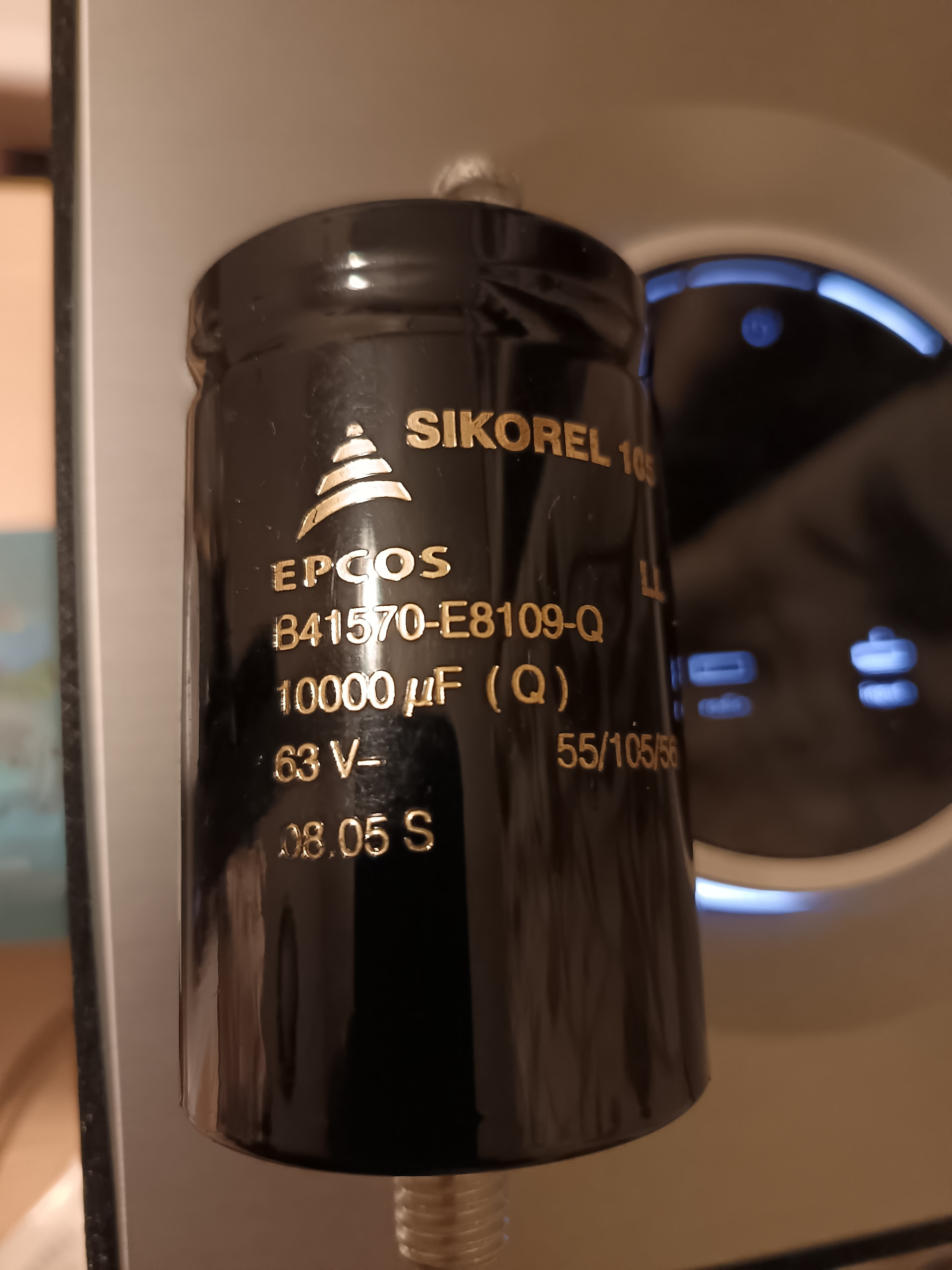
I use Sikorel. Not only do they have a very long life span and a shelf life of about 15 years, they also sound pretty awesome. 

This one is 17 or 20 years old, not been used for 8 years, but I wouldn’t hesitate in using it again.
1 Like
I imagine cap manufacturers and maybe unversity research departments will have bee n trying, but the fact that nothing better than electrolytic in the area where it s king has appeared suggests it is not an easy thing to- and might neot even be possible, or possible at any reasonable cost. However electrolytic have come a long way in the century or so since first introduced, and there really is a vast choice available, f course with a range of characteristics And cost, so it is a matter of what best suits the application (and budget)
If the device is designed correctly, then simple swap out every X years should not be an issue. After all, electrolytics tend to be cheap.
Dare I mention the Superline?
1 Like
quote=“Thegreatroberto, post:65, topic:42896”]
Dare I mention the Superline?
[/quote]
I was thinking about the superline myself.
@Richard.Dane
As Naim will no longer be servicing the superline, due to risk of damage to the PCB, would it be possible for Naim to supply a kit of parts that would enable owners to replace components at their own risk.
Or, at least provide a full list of components that would usually be replaced.
Oh. And maybe some instructions. 
1 Like
Maybe some new, less fragile, PCBs?
Or long life tantalum capacitors.
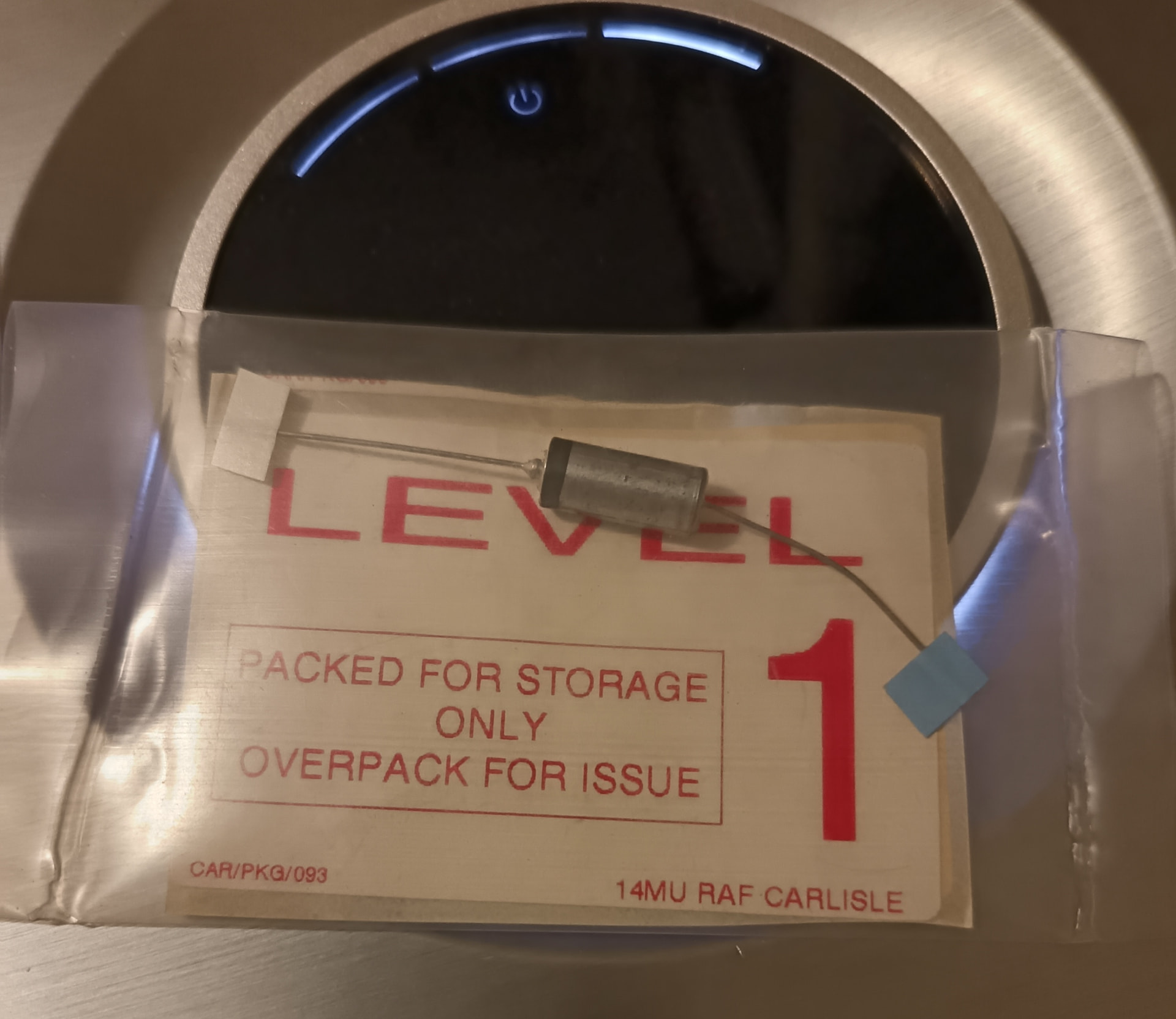
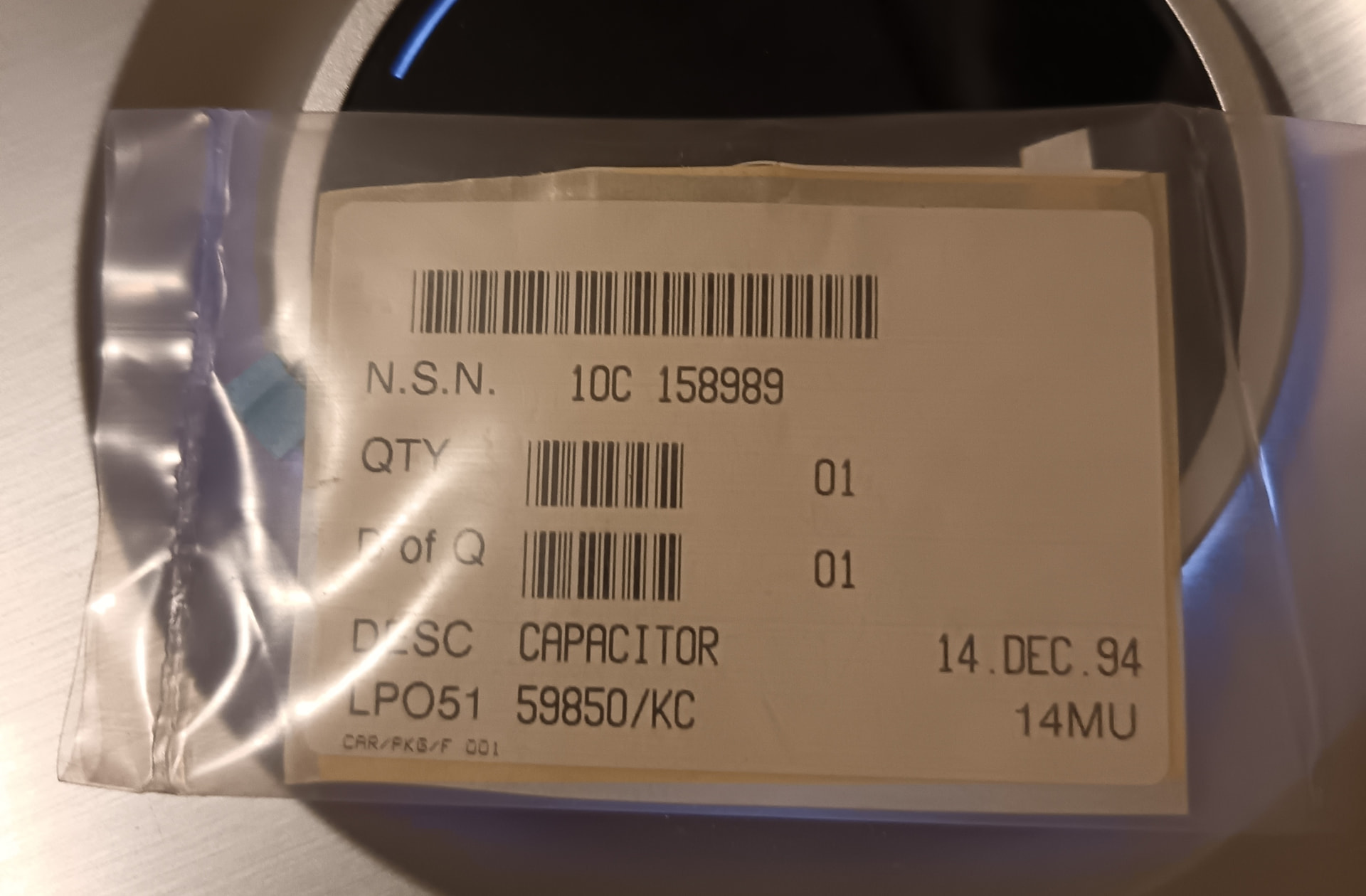
I use these military spec tants. At least 31 years old and sounding fine.
2 Likes
Im sure Richard will provide comfort in the form that naim can still fix componant failures in Superline; just not degredation. Something naim have actively been suggesting for 40 years plus. The problem with Superline is that maintenance was not considered as part of the design.
My 2008 SL still sounds great though.
1 Like
Well don’t let’s forget there are alternatives to aluminium electrolytic capacitors, namely tantalum and wet tantalum capacitors. Wet tantalum can provide upto around 72mF. Tantalums are much smaller for a given capacitance compared to aluminium electrolytics and tend to have better ESR, stability and longer life properties, so are also ideal as reservoir caps.… but tantalum’s on failure can short which increases the risk of a small explosion and they tend cost quite a bit more than regular can electrolytics… which is why they are often not used in PSUs unless space is critical.
It’s not just lifetime. They also have to sound good. Capacitors also have operating limits within frequency ranges. And even two different brands of electrolytics of identical values will sound different.
It’s worth noting that even surface mount ceramic caps won’t last forever, They are supposed to last >50 years but I’ve seen some of those degrade in less than 25.
When recapping the control board on an old monitor or some other appliance, you have a bit of freedom to simply choose a more modern cap with a longer service life as long as the spec is compatible (and I often replace electrolytes with polymers on PCBs), but for hifi, to do so effectively deviates from the designed performance. Even non signal path caps will have a potential impact as they have differnt microphonic profiles, albeit lower than inductors.
I had a mate who fancied himself as having superior knowledge to the designers of all his hifi. He replaced every cap with an equivalent that had a 50 year service life on the spec sheet. Sounded absolutely awful. He was pleased with himself thought. Felt he had “got one over” on the conmen making hifi with short lifespans.
3 Likes
I didn’t forget tantalums as they are a variety of electrolytic, one of the developments using different materials from common or garden aluminium,…
Well yes they use electrolyte … but they are so different to the regular aluminium electrolytic reservoir cap you see in much hifi equipment (but not all) they are much smaller, more stable with respect to frequency, ESR and lifespan, better for audio circuitry as they are lower noise, but can be quite a bit more expensive.
Yes, but while solid ones don’t leak or dry out, not all tantalums are solid. So perhaps the answer to Devil_20 is that solid electrolytics have indeed been developed without leakage and drying out issues (solid tantalums), they can’t (at least as yet) be made for all purposes and sometimes there nay be no choice but to use wet electrolytics (whether aluminium or tantalum), and of course cost and production budget is inevitably a factor (unless designing Statement, but there thee ed choice id performance, not longevity).
It sort of follows on the same theme as the reason no one has yet developed a battery that doesn’t degrade over time either. And immense R&D costs are sunk into that field currently. They get smaller with higher power densities (as have capacitors over the past century too), but their lifetime is still less than ideal.
I like to think someday, someone somewhere, will have an epiphany and come up with a compact energy storage modal that neither degrades nor requires rare earth minerals to function. It’s not at all like nobody is trying. But the reality is we may never get there.
Saying that of course, the simplest and earliest capacitors were just giant air gapped conductive plates. They will last forever (if kept free of corrosion) but are hardly practical for any domestic use case.
1 Like
I very much doubt it FC. As I have previously posted, my understanding is that Naim will do a repair service on a Superline but there’s no set service routine where everything is replaced regardless of whether ok or not as this increases the risk of PCB damage (as it’s now out of production spare PCB stocks are limited), so only components out of spec or faulty will be replaced.
1 Like
Yes as I said above, a specific variant of tantalum is wet tantalum and is used for very high capacitance and power density in small sizes. They are still superior to aluminium electrolytic offering better life duration, low leakage, stability and ESR performance.
I have no idea to what extent the S series products use tantalums, but I’d be surprised if not quite extensively… at least in the signal path.
Better than energy storage, energy generator! A pocket sized fusion generator anyone?
And they still exist - though not very space efficient but more or less last for ever, and are used sometime as well in variable capacitors.. I have some very high voltage air gapped capacitors here at SinS towers.
Also air gap capacitance is how capacitive coupling works which can be a boon as well as a curse in consumer hifi.
The Flux Capacitor?
Runs on banana skins and empty beer cans.
1 Like