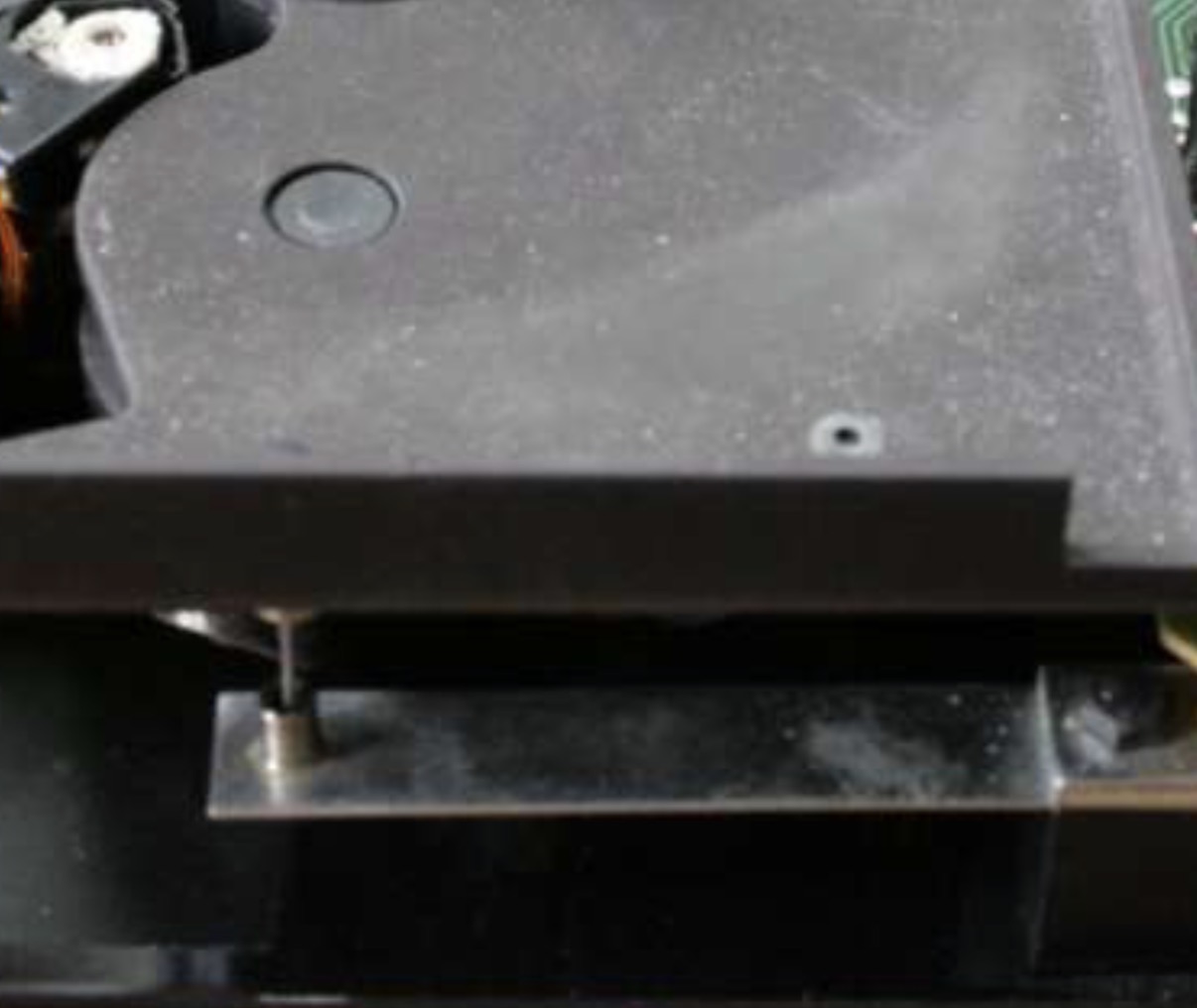
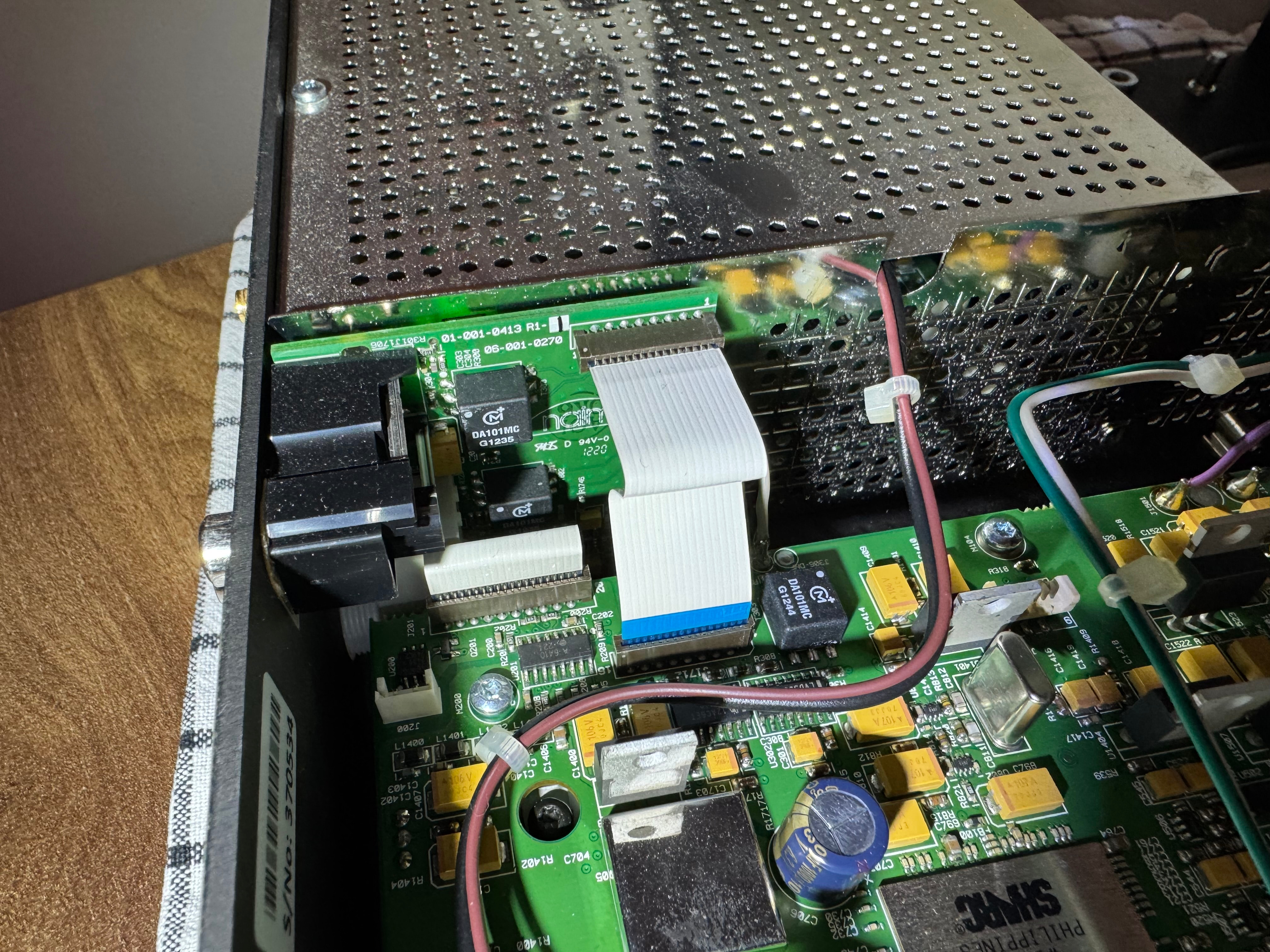
My NDS is taking a nap since I use my NSS 333 so I decided to open it up and take a look.
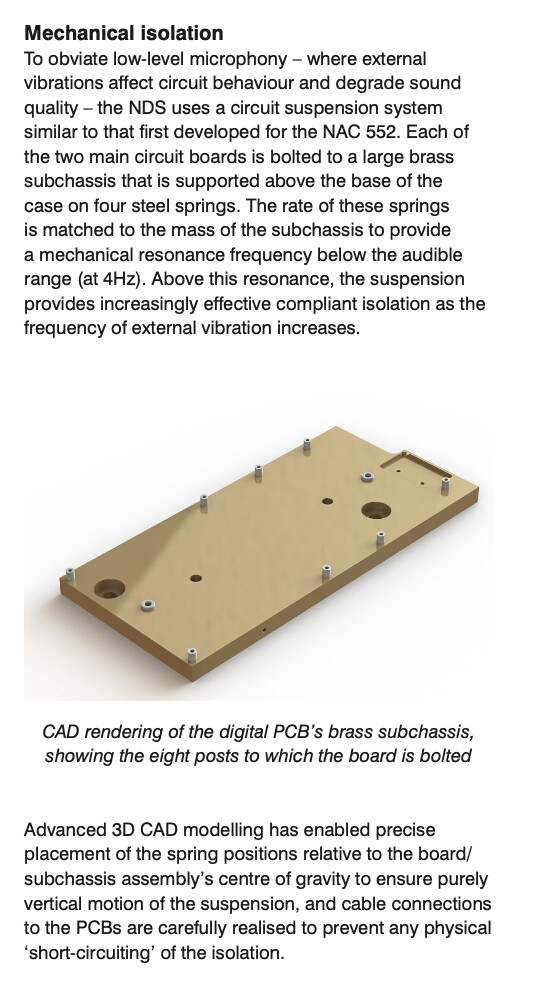
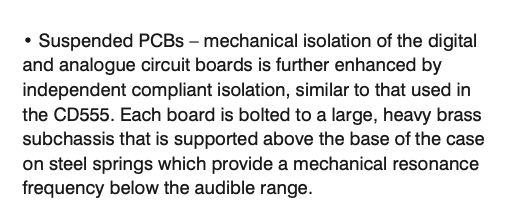
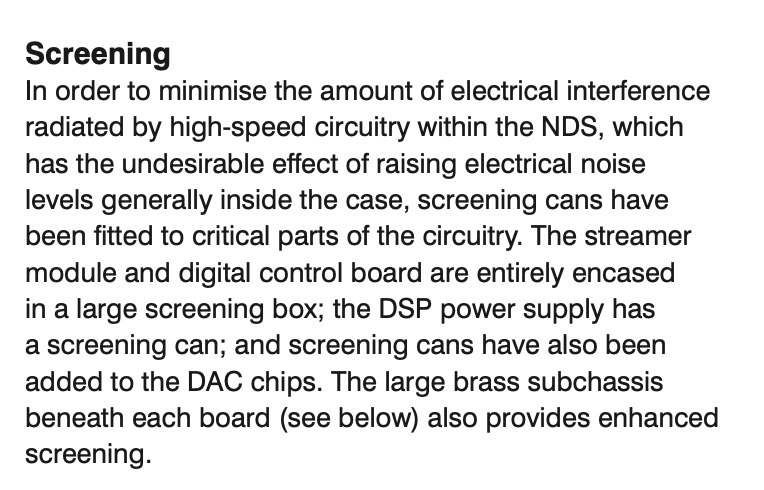
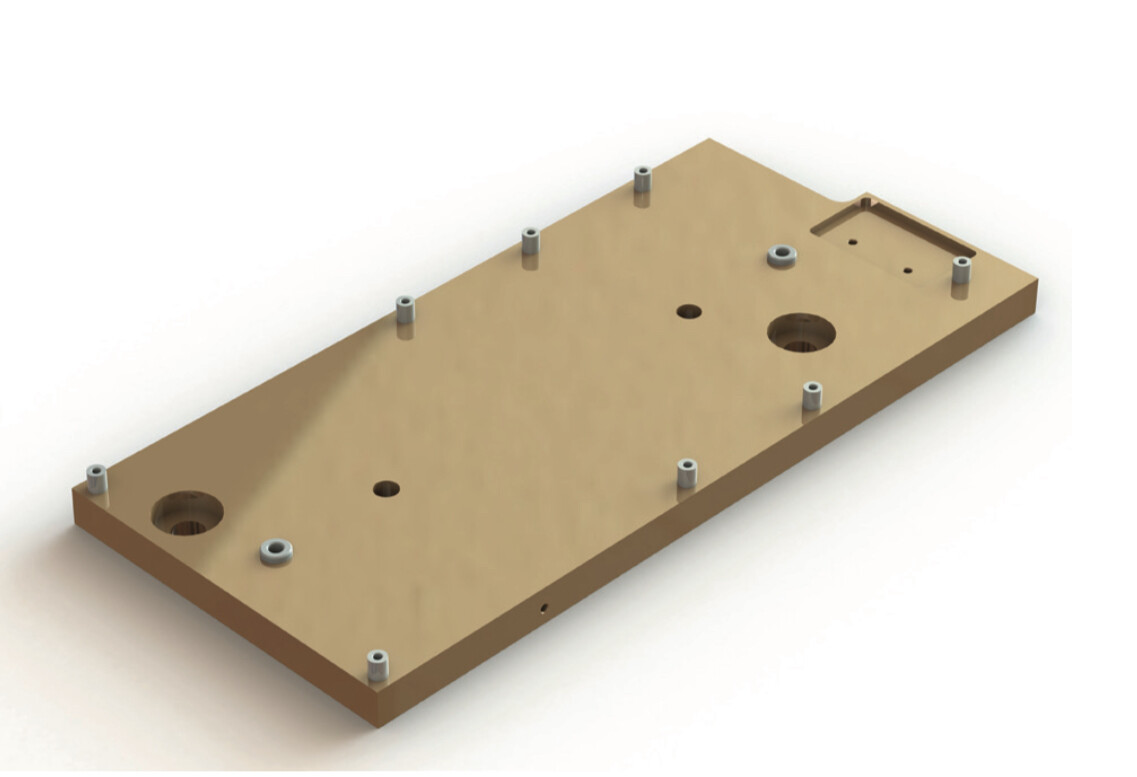
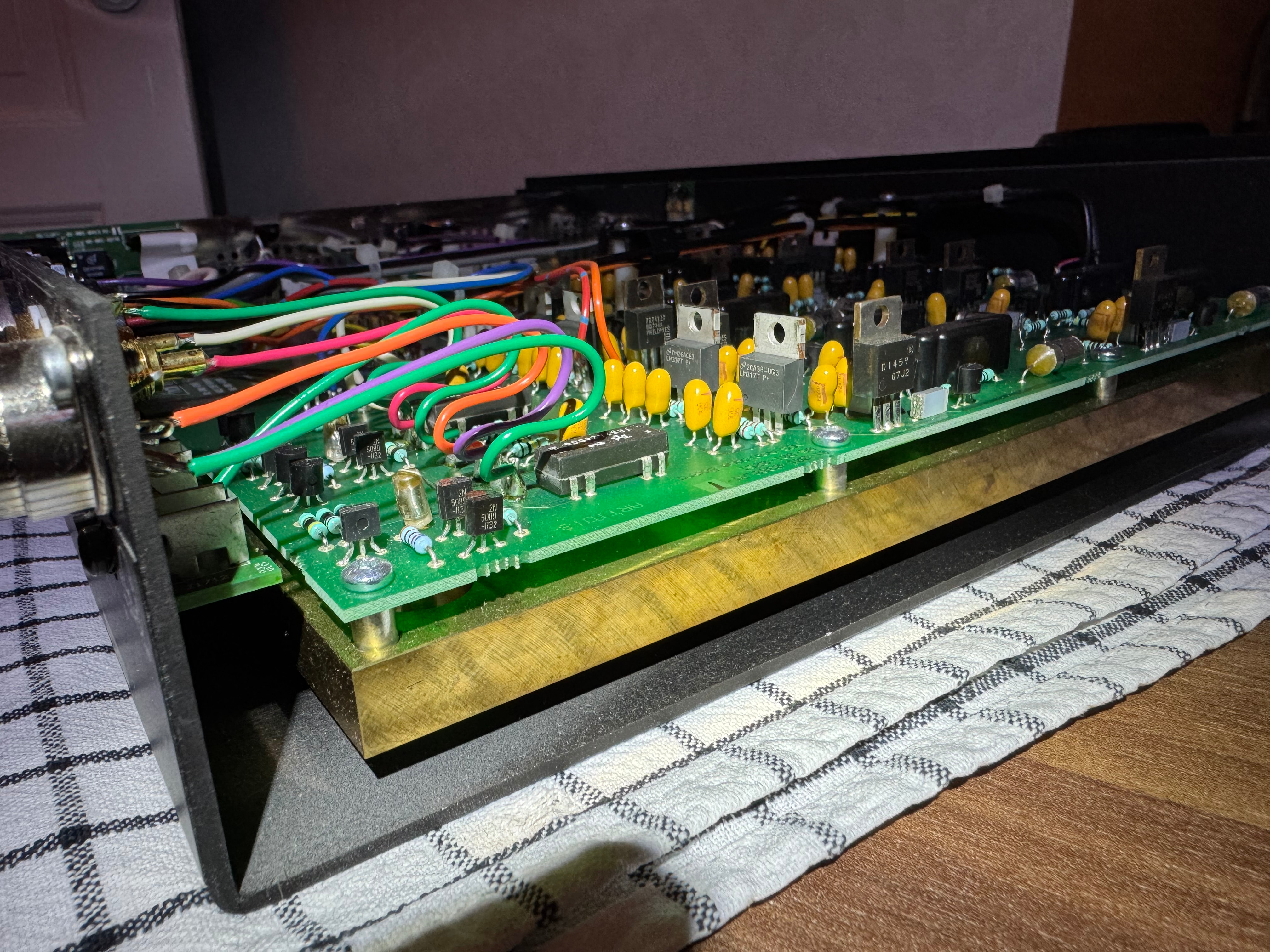
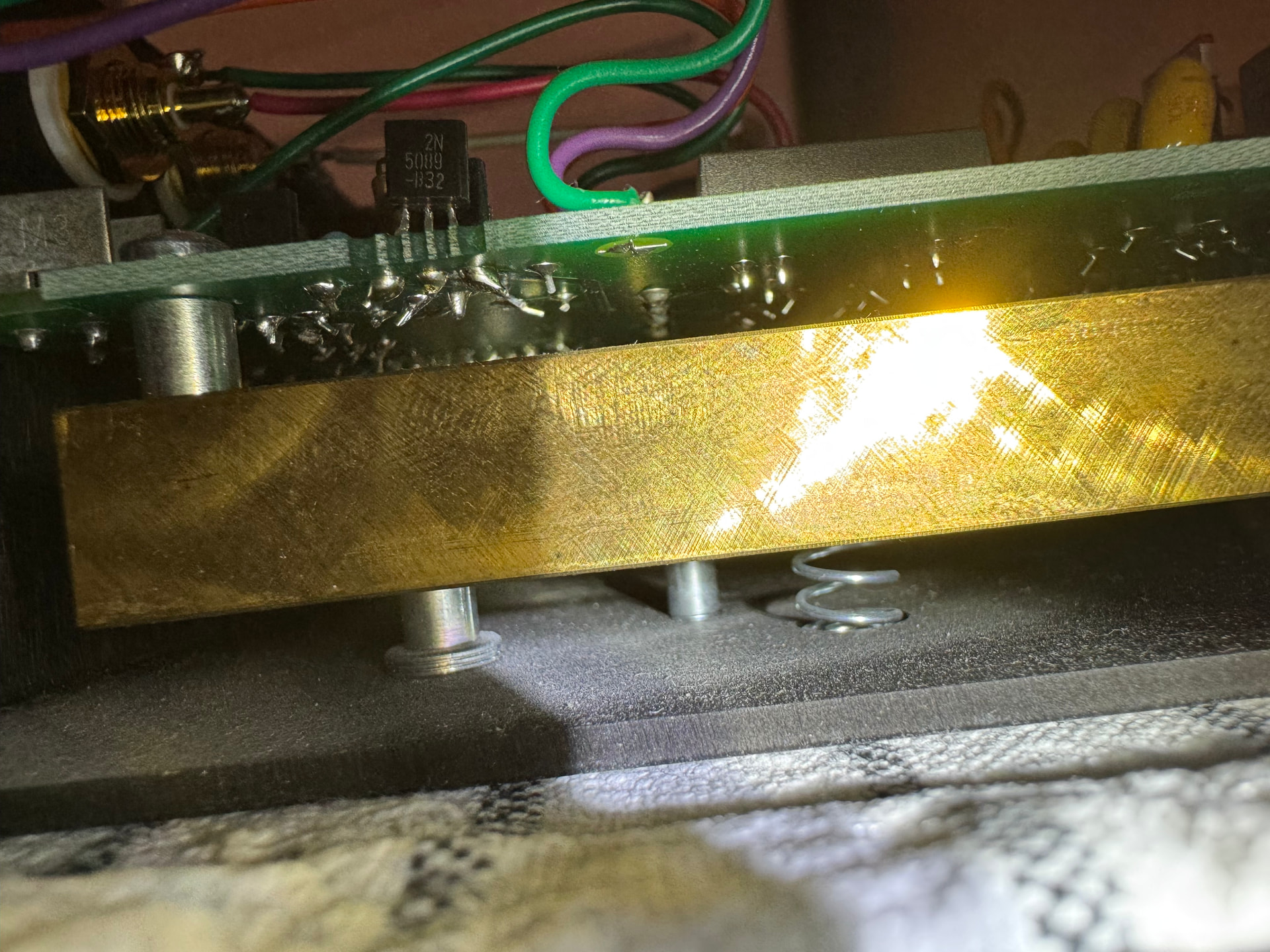
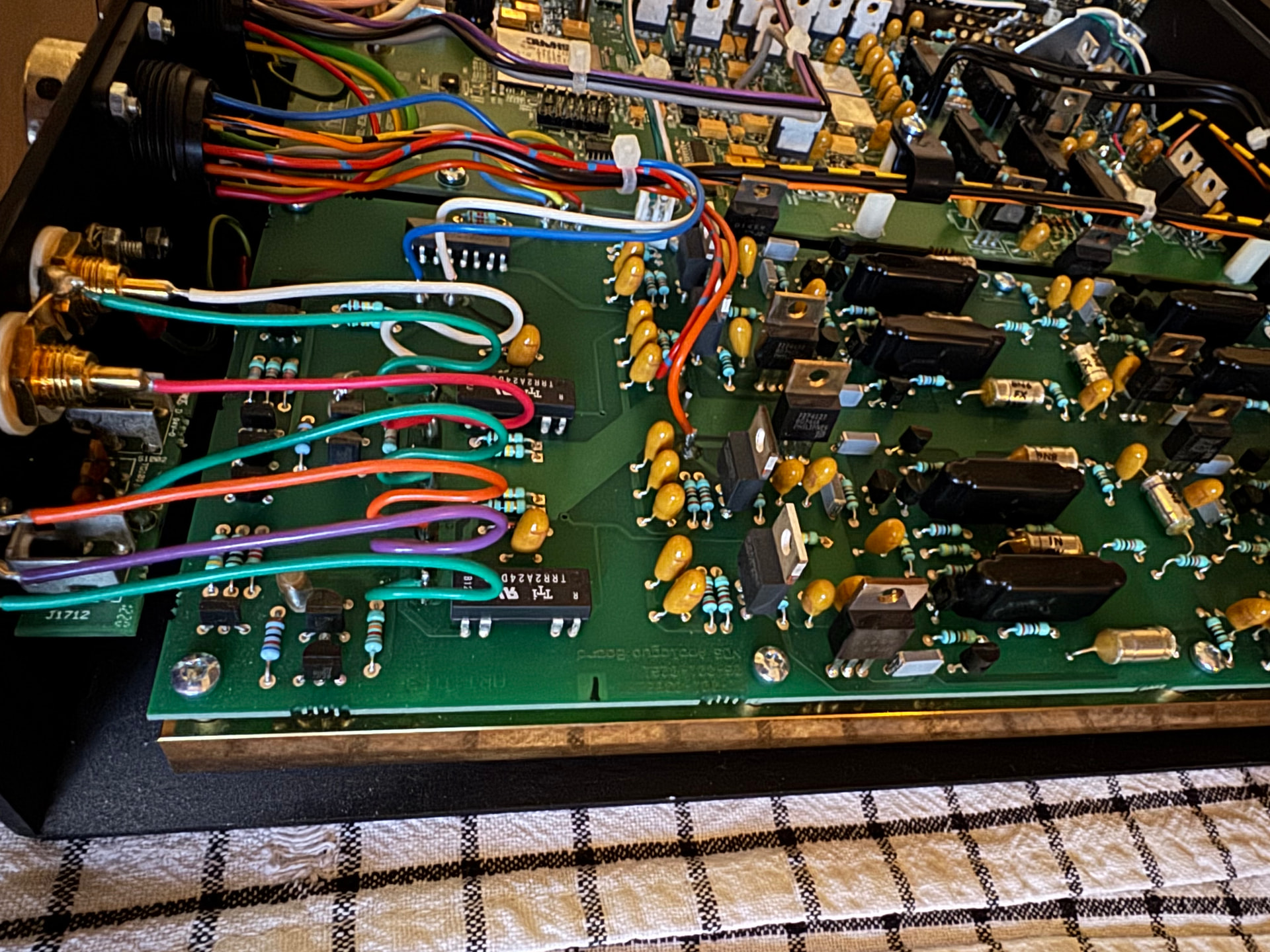
Someone claimed NDS only has a brass plate under one of the boards. This is not correct. There is a brass plate under both the analogue and digital board.
You can also see the springs under each board on a picture including the pins that keep the board from sliding sideways too much. It is clear that turning NDS (or other brass plate constructions) upside down without transit bolts in place will cause great damage. NEVER DO THAT.
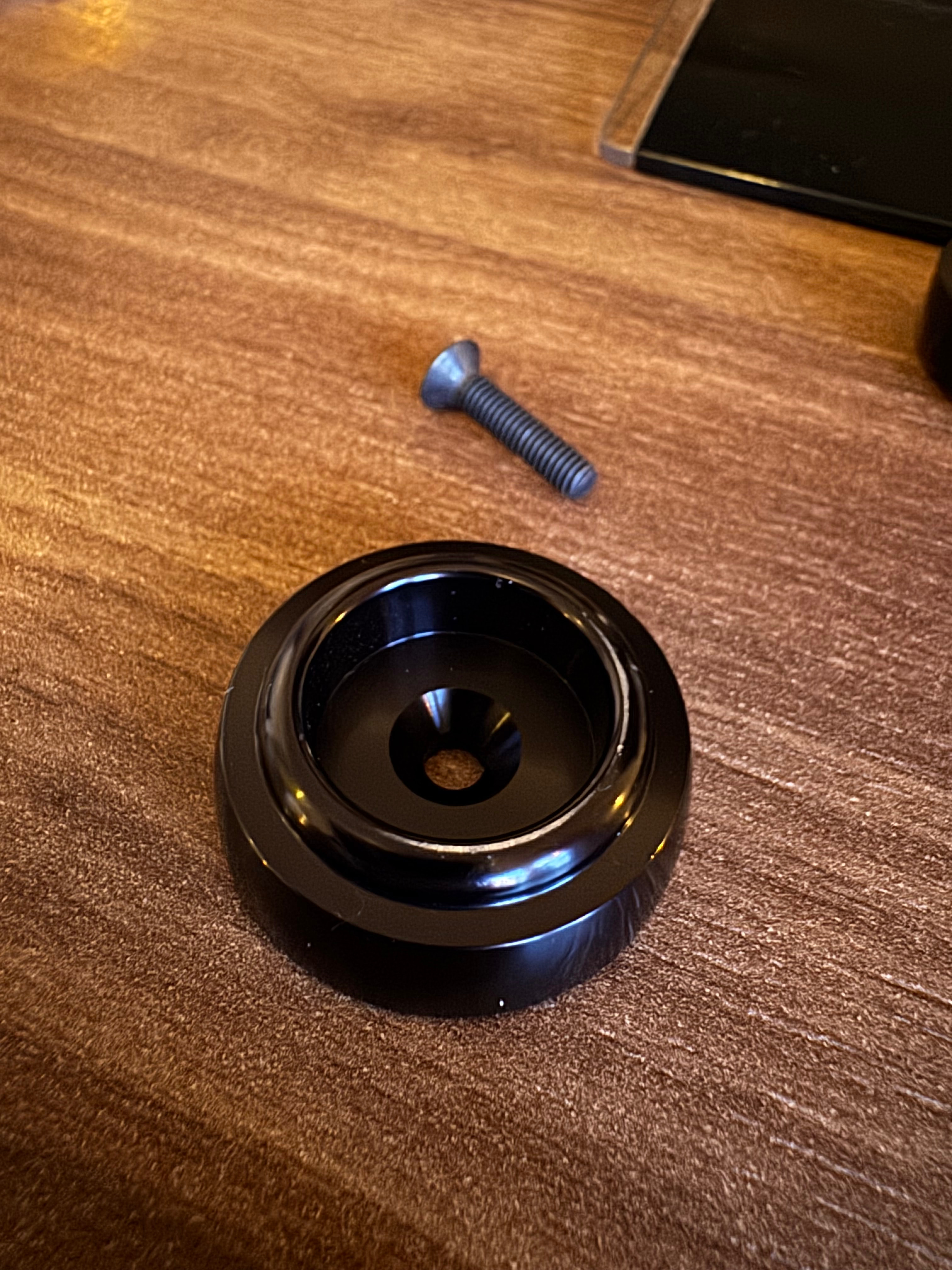
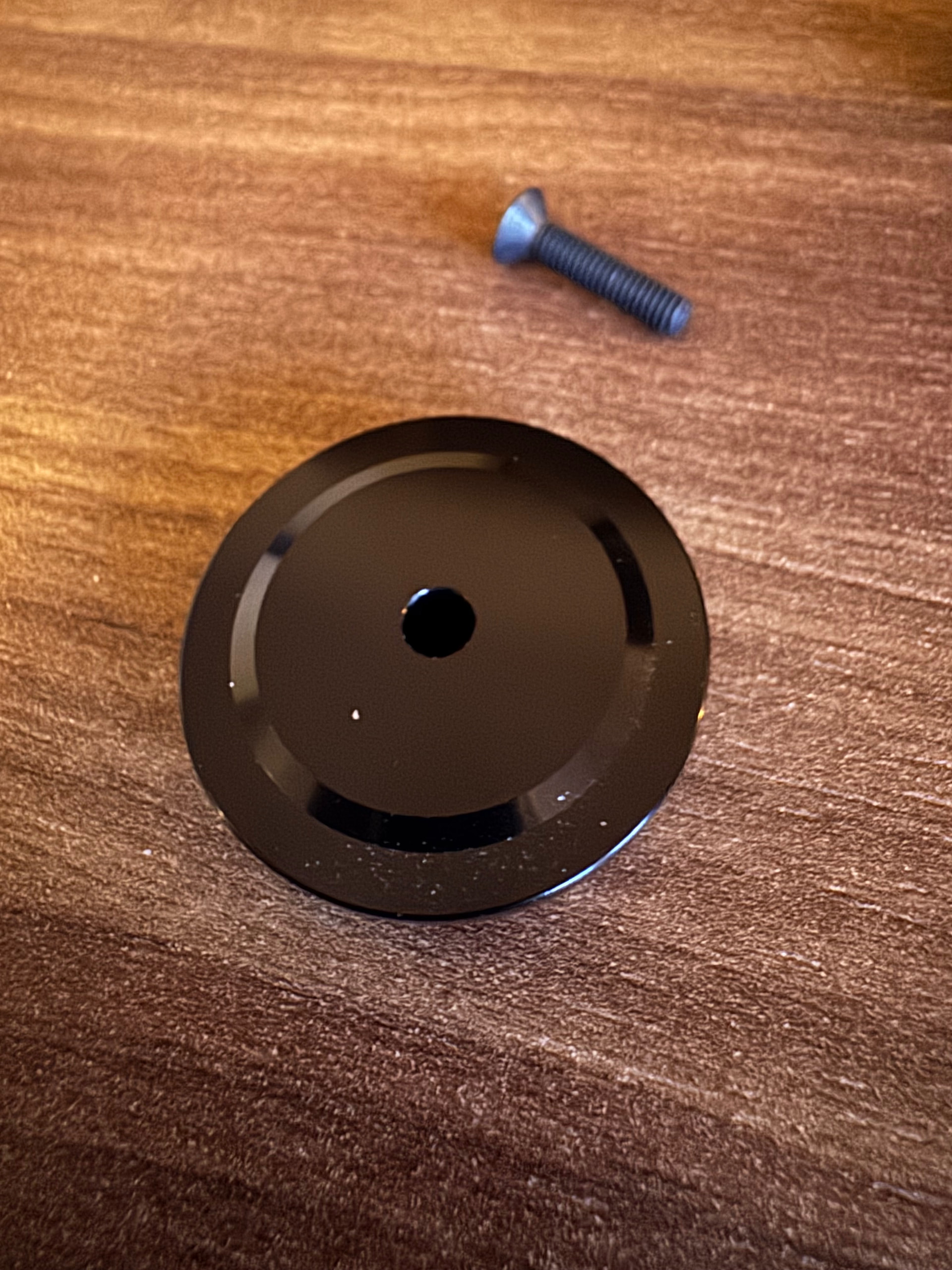
The feet are one part aluminium.
If anyone wants a picture of something specific then let me know.
I find it interesting with the hard aluminium feet that are screwed directly into the chassis. No rubber in sight. Then placed onto hard glass (fraim). A dramatically different solution vs using rubber feet placed on say wood. I wonder if this is to get the correct resonance frequencies below hearing thresholds (sub 20Hz) when using floating brass boards. Adding rubber of any kind under these spring loaded hard fees models likely mess this up moving the resonance frequency up to where they can influence the performance. Speculating.
It was me, re the brass suspension, as I had never seen the digital board with the SHARC, DAC and I2V stages up close, and only the analogue stage board from the side view.
But I have got back to the NDS Whitepaper and found this diagram
I’m not an electronic nerd, but it does look great. It’s so satisfying to look at such an elegant layout. It’s a form of art itself. Thanks for sharing these nice photos @Blackbird.
The CDS feet were also a little unofficial mod that could be applied to good effect on the LP12 Armageddon - although such was the wide tolerance of the plinth that a good number of the slim alloy shims were likely to be needed to ensure all was perfectly square with no micro-rocking. I have them on mine, although without a baseboard you do need cut some small corner pieces so the feet sit properly.
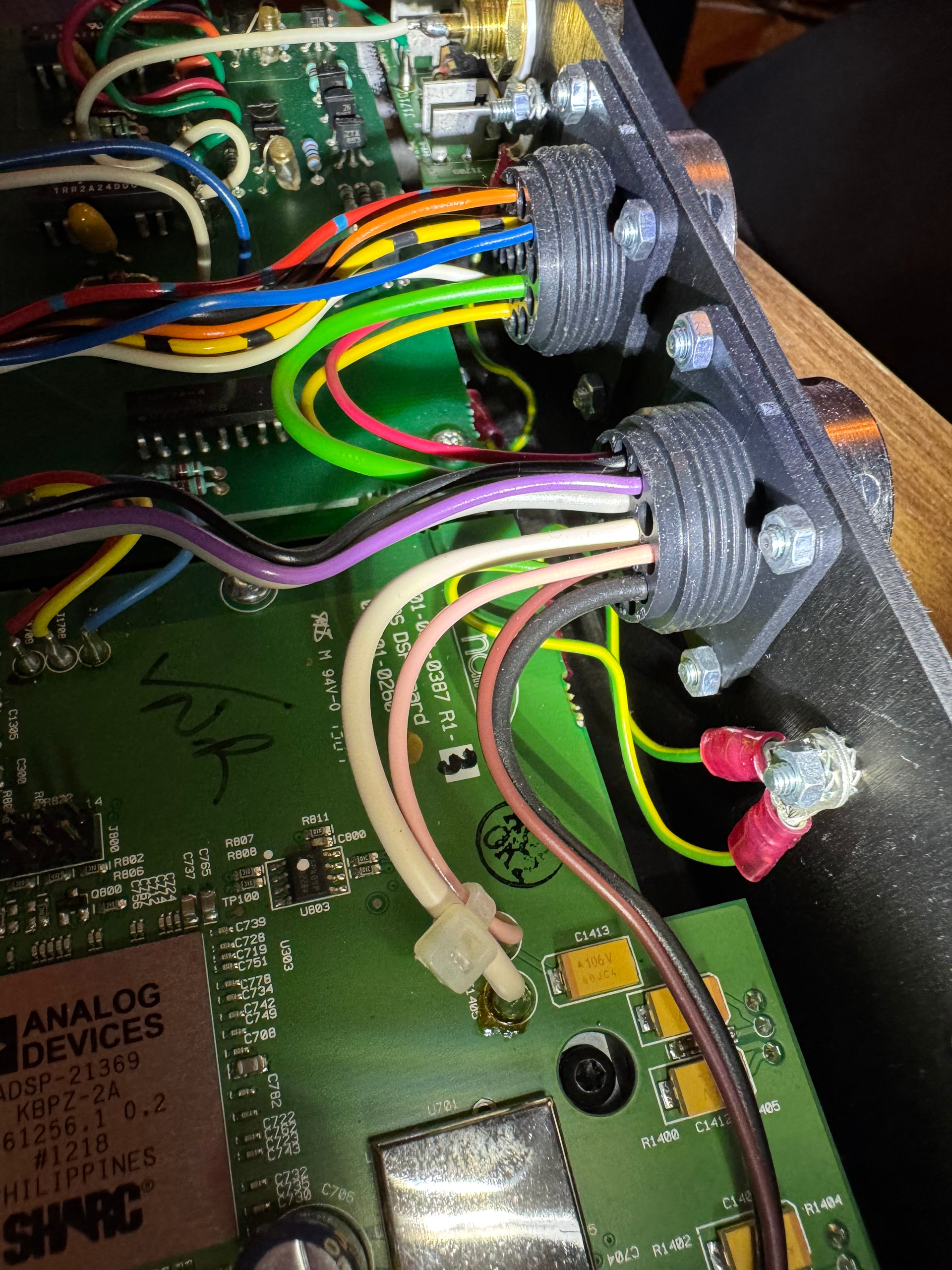
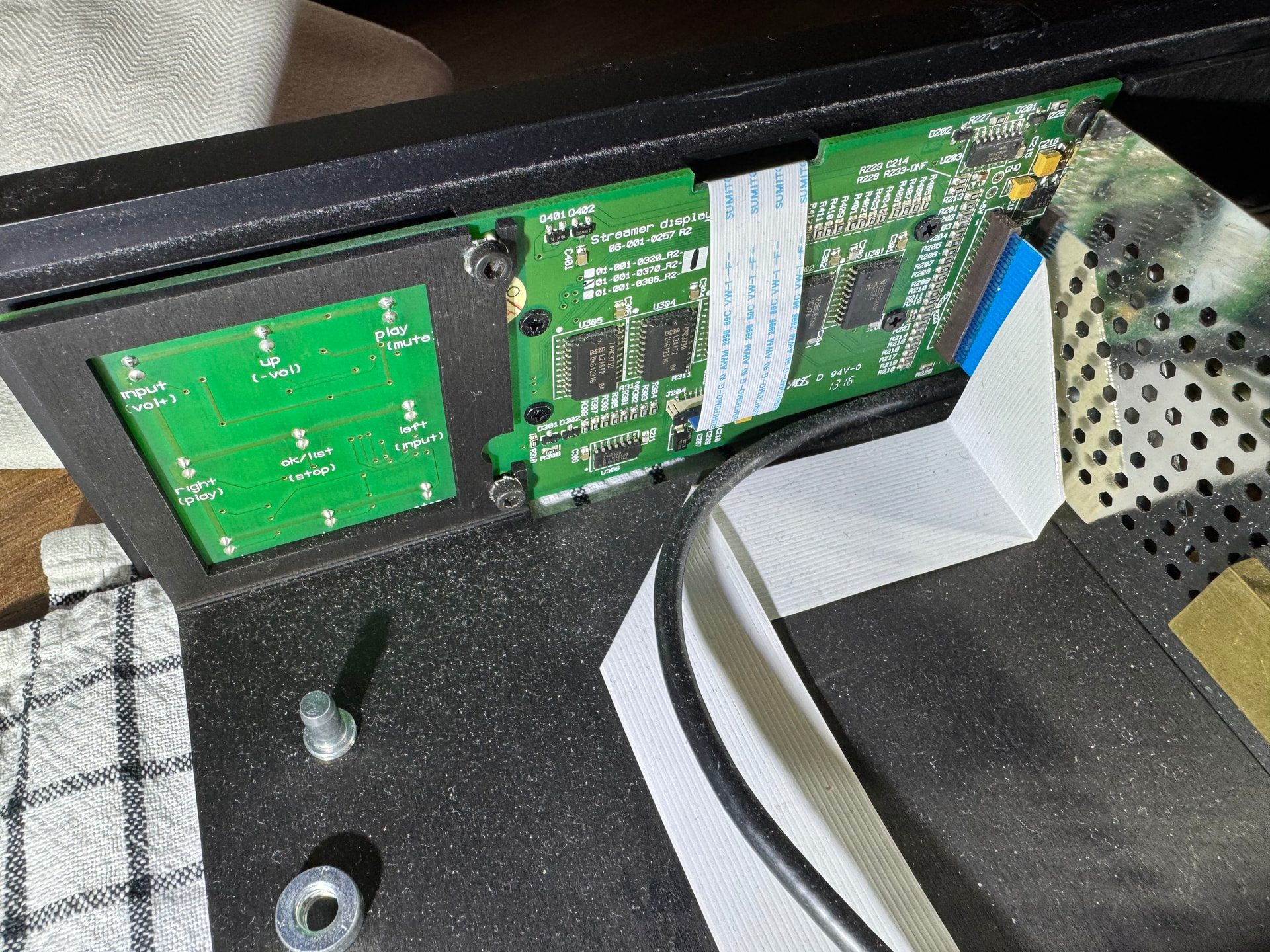
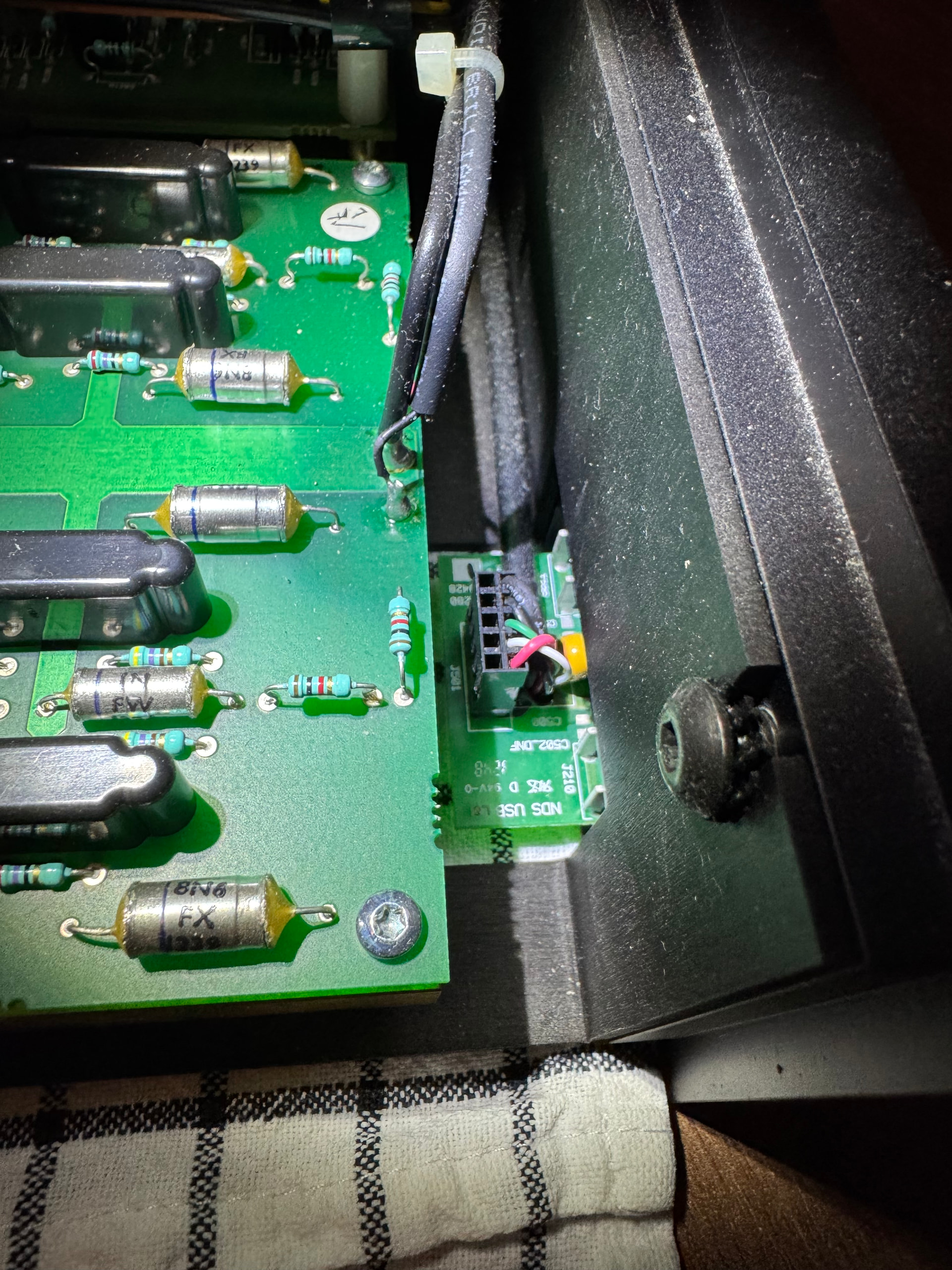

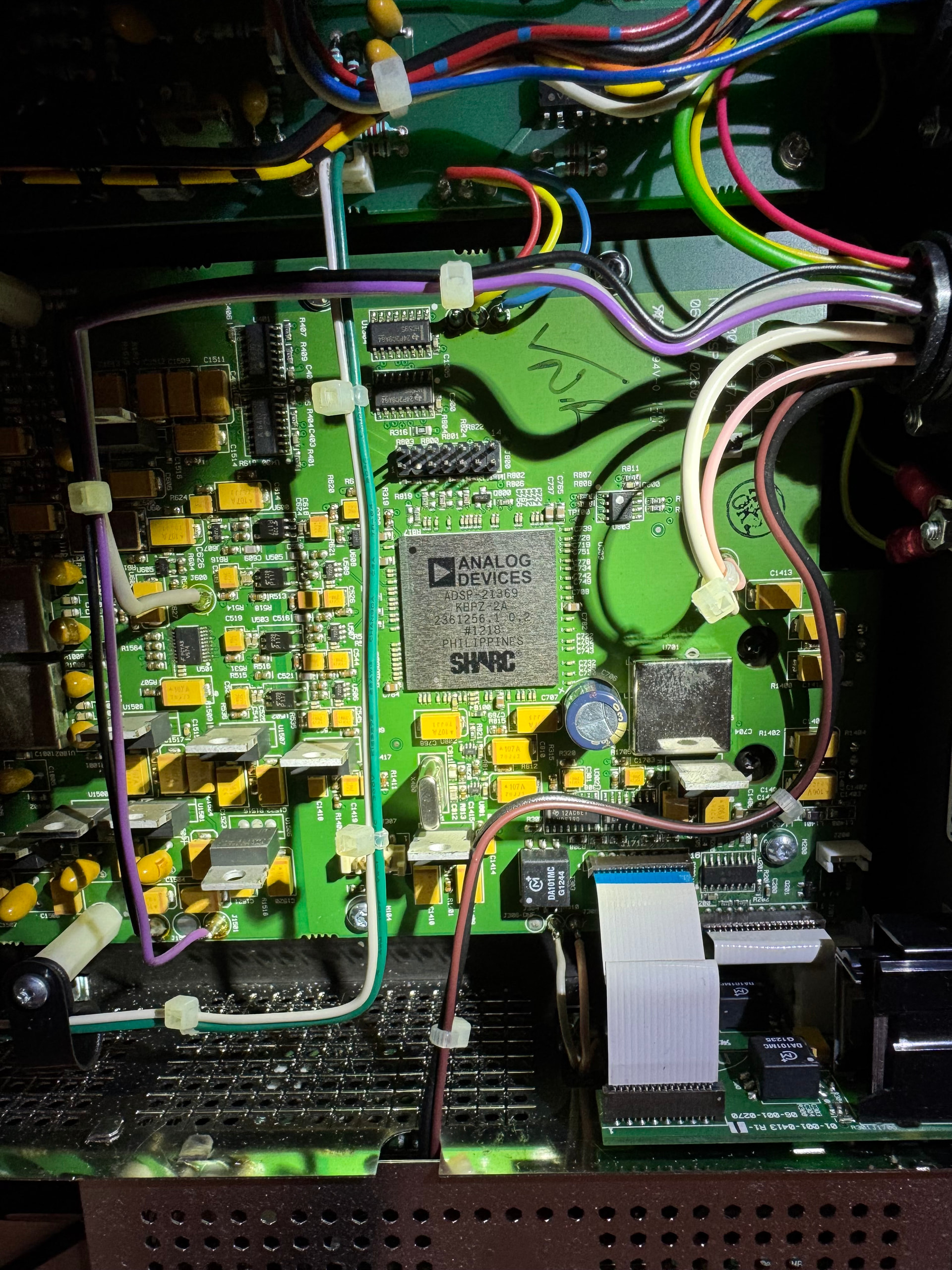
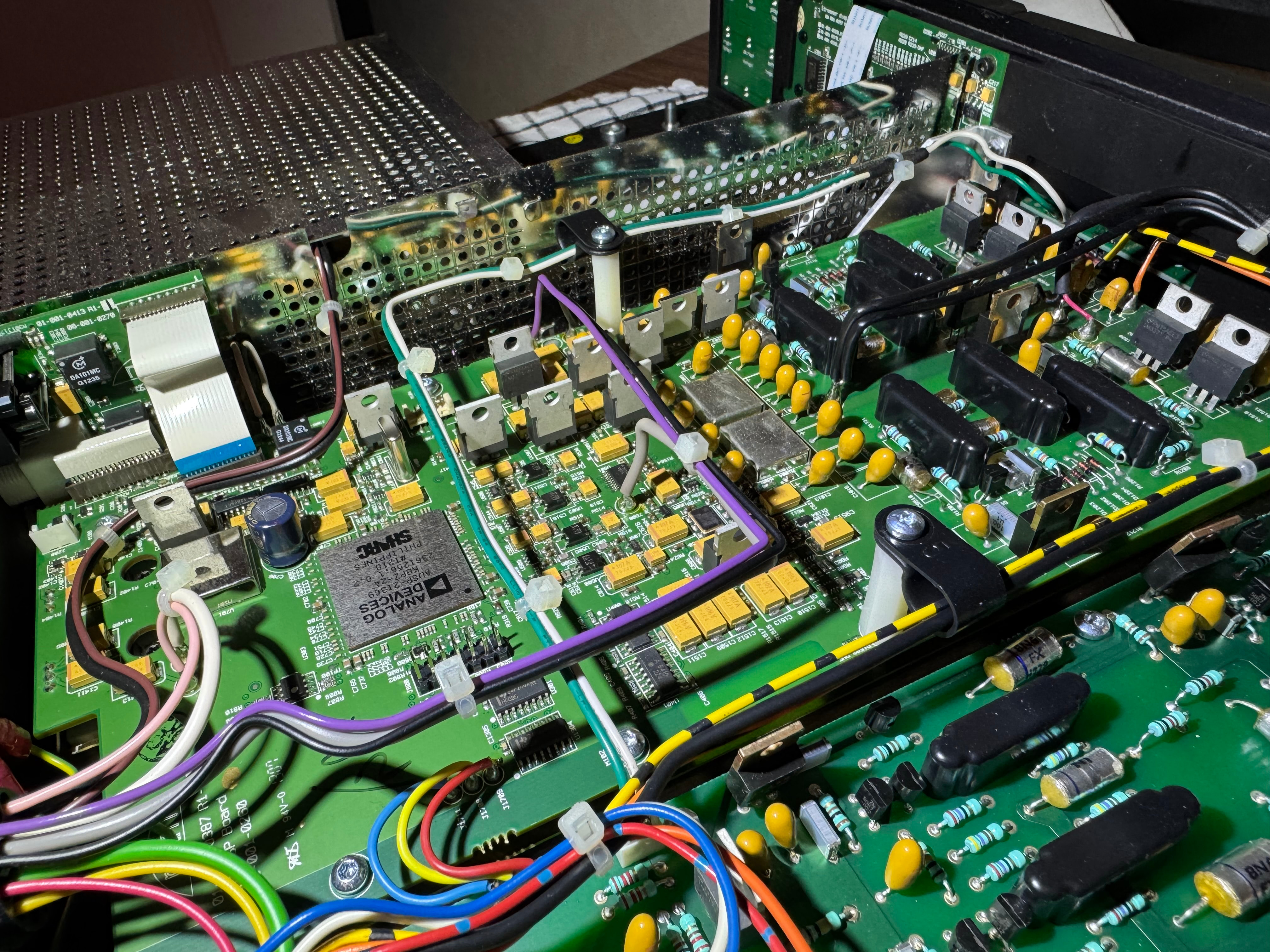
 And yes, only looking, no touching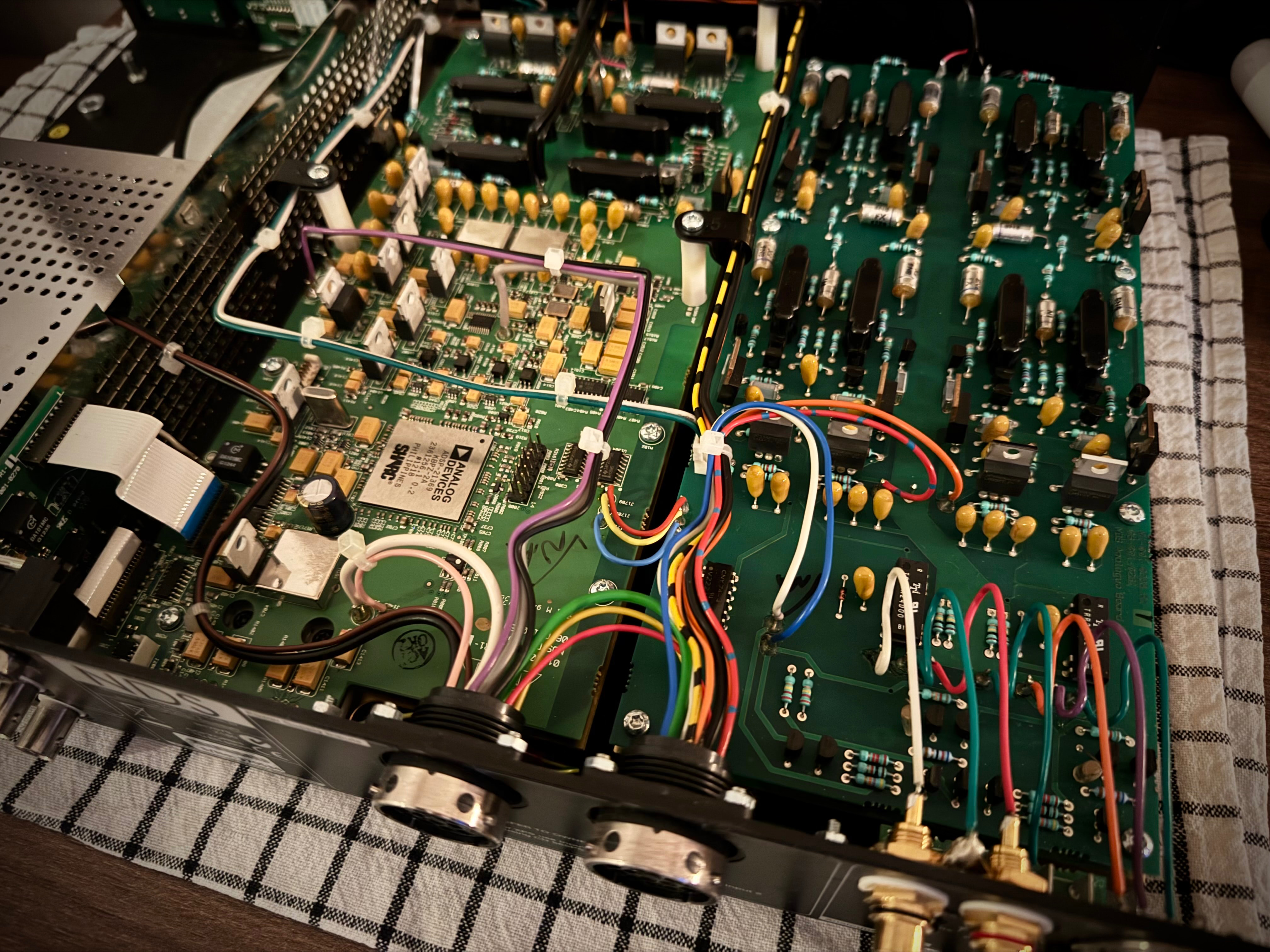
 ?
?