Surely that would couple my speakers to my reverberating wooden floor rather than help to isolate them?
3 Likes
Defo not the contact area is tiny.
The difference in speed depth and clarity with focus is huge compared to anything else I’ve tried.
That’s the whole “point” of spikes is to decouple.
Any other way I’ve tried has induced blurring and a certain amount of movement not good at all. 
Pushing the spikes into wood can create a bigger footprint contact area “ all round the spike “ but this is tip only.
My rack is the same.
Rock solid too.
Good point. This really doesn’t need to be expensive.
I sold my Chord SM-7’s and went back to Brass spike shoes sitting in Vibrapods. Just sounds better.
Floor is Oak parquet over concrete.
I’m am still not understanding I am afraid. If the speaker were to (say) down by 2mm, wouldn’t the floor do the same? And wouldn’t the floor bouncing cam up again move the speaker an identical amount, at an identical speed?
We certainly found that resting the spikes of B&W 804 D3s on £1 coins made the floor buzz through our feet. That stopped as son as we swapped to the Gaias. We assumed that their curing the flabby bass was connected, not coincidence.
What should we call that if not decoupling? Is there a better word?
In the pics below through carpet into floor almost all contact area.
Circled.
Not through the carpet and floor into the screw head tiny contact area only the point of spike touches not the whole cone.
There for less coupled. 

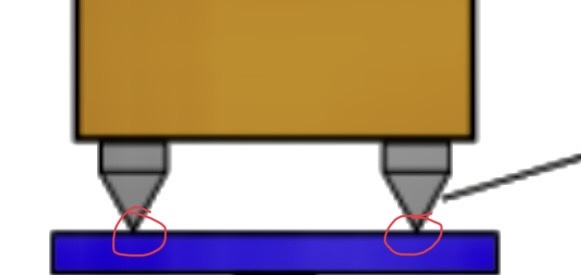
I must have explained the question badly. I believe that I understand what you say about size of contact patch.
If the speaker moves up or down, it is surely always in contact with the floor, albeit only via the screw head - no gap appears. What sort of motion of the speaker is this preventing from reaching the floor?
Almost all decoupled vibration and zero rocking effect blurring the effect of drive unit movement.
Coins don’t really decouple because they have a large contact area below to vibrate.
So any vibration can cause a buzz going back up to the speaker stand.
Easy to replicate is to push a nail into a bit of wood and it gets a grip.
Put a screw into the wood and press in the nail there is no grip.
Decoupled.
1 Like
I think less contact area means more coupling…
What @NickofWimbledon is trying to say I think is that something heavier is harder to move separately.
Now think not only of pure weight, but weight per contact area. I.e. kg/mm2.
Can’t make it any simpler grip means coupled no grip less coupled to almost zero.
Sit on top coins etc loose rattles. 
I get the fact it isn’t floating in mid air but is in much less contact than any other option.
Smaller the coupling then less coupled.

2 Likes
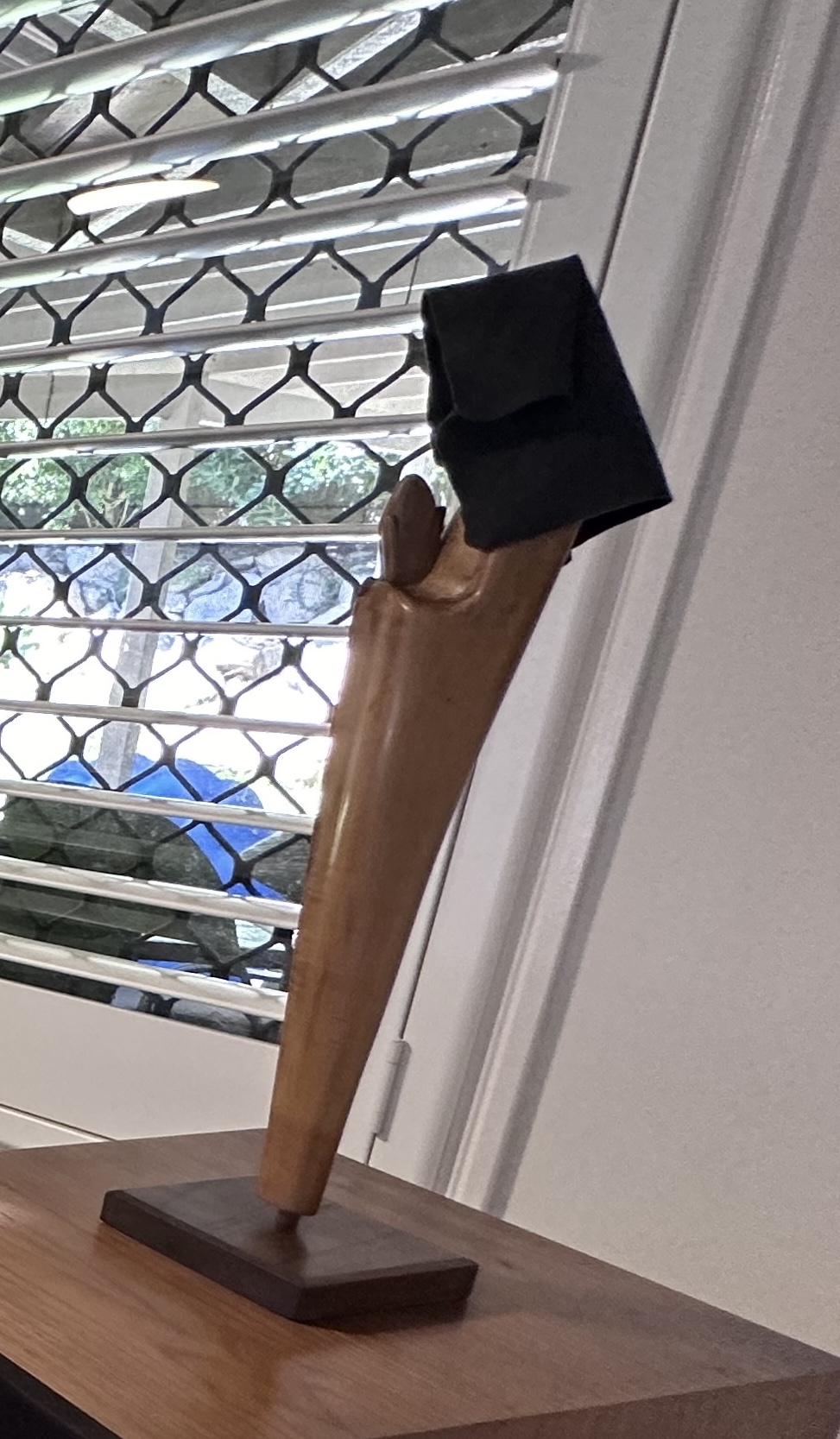
I guess that if we were in a cars discussion, you would say that this one on the pic is more enjoyable for long rides this a Mercedes class C. 

Far more accurate information retrieval than a soft tyre blurring all the info.

I have used screws in the floor, with spikes sitting in them with Dynaudio speakers. Did not hear any difference from granite slabs on carpet with the spikes sitting directly on the granite, or the little protection disks.
Also I have used Gaia’s with Dyn XD 600’s on hardwood floor. Nothing very noticeable sound wise, but I liked the fact that they have kind of a suction cup effect, making it almost impossible to knock them over accidentally.
Currently I use Townshend Podiums with my
DB 7’s. Logic says the sound should be muddy, but the exact opposite is true. Tight bass, and the sound floats in the air like the speaker is not even there. Not cheap, but well worth the investment if you can live with the look.
If you push the speaker it gently rocks back and forth. There are videos showing how they work if you google them.
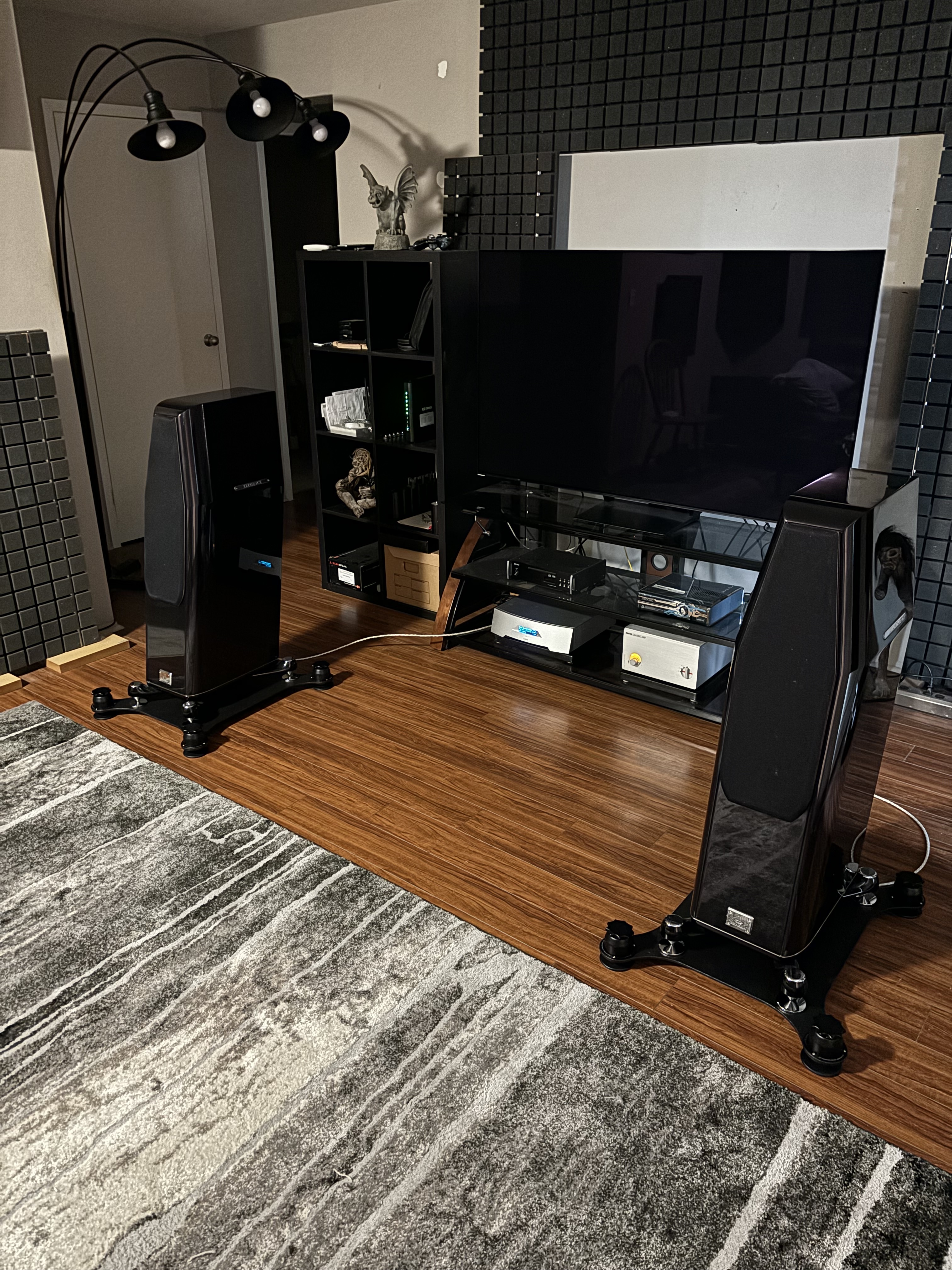
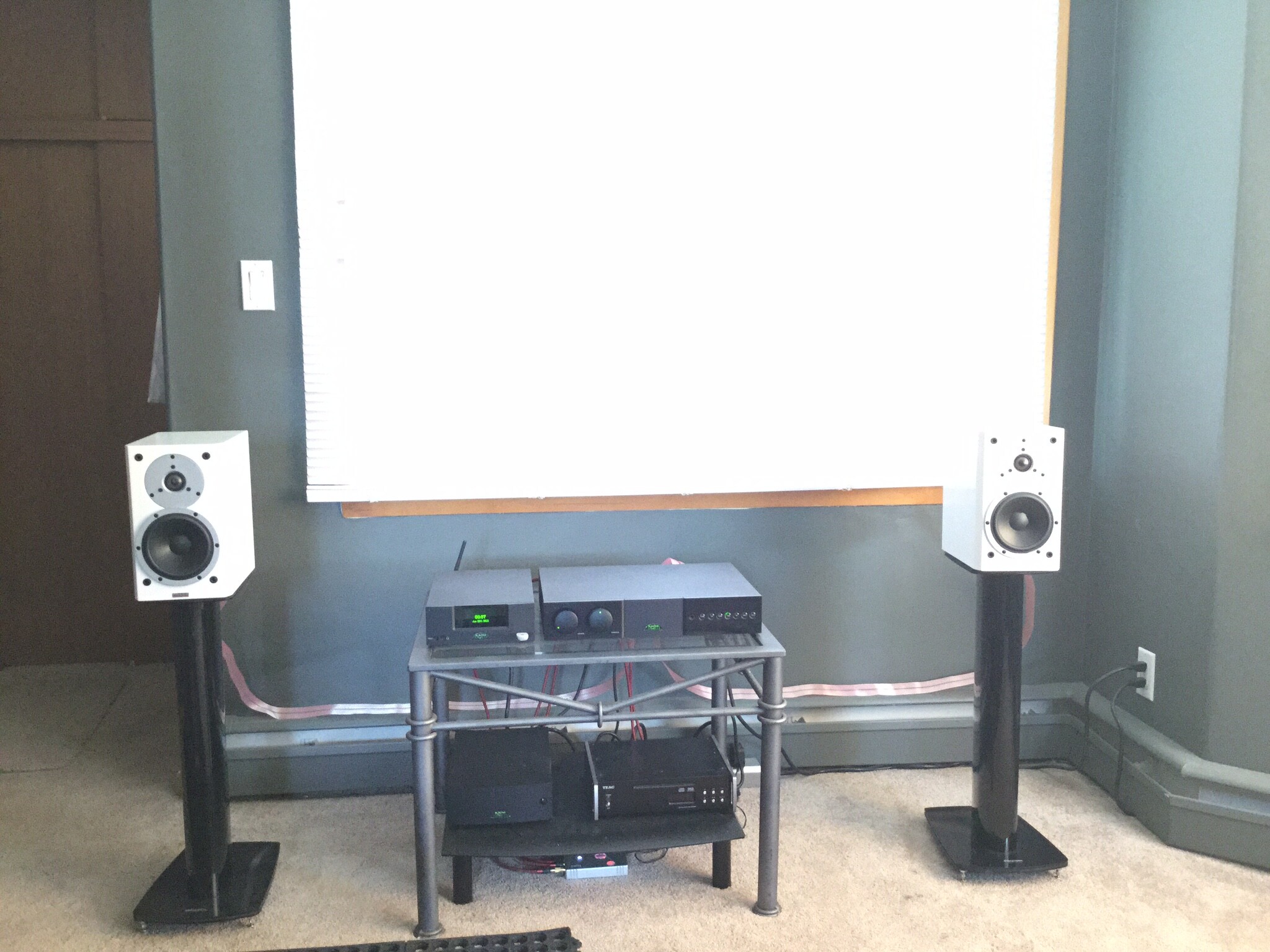

If you squint, you can see the spikes in screw heads in the photo with Excite 12’s. XD 600’s have Gaia’s installed. I have real world experience with all these methods, not just speculation.
Here is a photo using big granite slabs when I used Peak consult speakers.

5 Likes

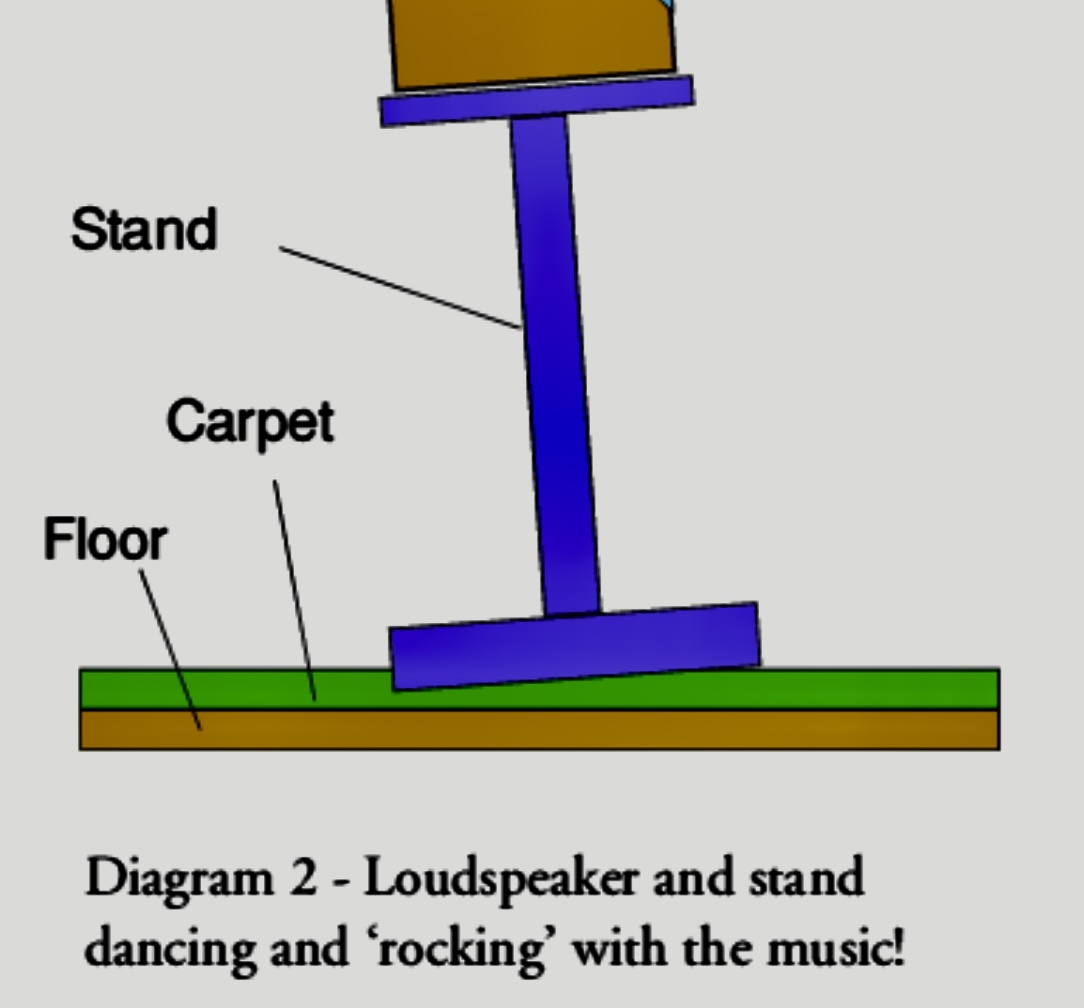
Have you tried Townshend podiums yourself?
2 Likes
Nope no intention.
What I have has worked wonders for many years.
I did try concrete slabs on carpet once it was crap it sucked the life out.
I don’t have to put my finger in the fire to know it’s hot. 
wont be putting anything wobbly on my carpet.
1 Like
One advice : try the Stack Evo 100 or Stillpoints ultra under your speakers.
2 Likes
Not sure concrete would be a good choice of material, most people use granite. Boenicke speakers have some kind of springs under them, giving them a floating effect. Different designed speakers must benefit from other types of coupling to the floor.
What about the spring loaded brass plate inside the NDS? What is the reason for that?
1 Like
I appreciate all the suggestions but I’ve no intention of moving to the rocking stand side.
Anything under my speakers that allows any movement goes against accurate focus.
I prefer my drive units to push air not the whole structure back and forth.
Same for my rack.
2 Likes
You are so right, putting your finger in the fire to prove its effect would be crazy.
But putting your finger in a wonderful Italian ice cream would be certainly beneficial for you. Without trying, products that are acclaimed all over the audio world, is like saying that Ben and Jerry ice cream is the most tasteful.
1 Like