When I get around to trying to find headphones my approach would be the same as with speakers: I want them to be good enough to sound right with all music I play, whether big dramatic orchestral, heavy rock, prog rock, chamber music, solo piano, etc. natural sounding with all, and with good clarity. They would have to be closed back. If no such headphones exist I would go for the best and live with that as they would only be for travel use (including campervan) so multiple for different music would be unacceptable as well as inherently wrong to my mind.
I think it would be far preferable to put tone controls (preferably using DSP) into the system to tweak response rather than have different headphones for different music, as then it would be possible to tweak to compensate for different recordings, rather than fixed manufacturers’ profiles.
A lot of people however have experienced burn-in without listening whilst the burn-in is taking place. Leaving Hi-Fi to play for hours without listening.
The brain is therefore not coming accustomed to any new sound.
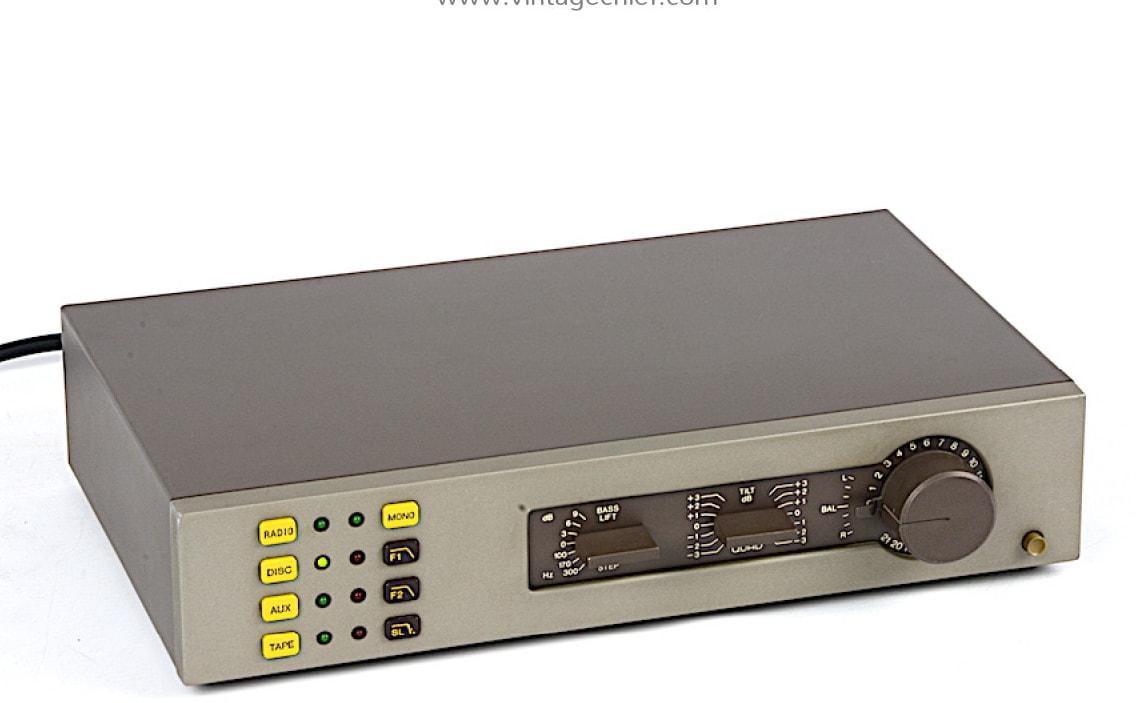
My understanding was not “prepacked sound tuning” but that amps should strive to be neutral, and the dropping of tone controls was because the physical presence of the old style controls in the signal path adversely affected sound quality. (When I had a Radford HD250 it had a simple elegant solution of a bypass switch - tone controls only in circuit when using them was beneficial for the user. I don’t know why that didn’t catch on. DSP is said also to adversely affect sound quality - but with either the question is simple: is the benefit of the tone controls greater than the sound degradation they introduce?
But my point is that, in many cases, people don’t become ‘accustomed’ to the changing sound during the process of burn-in, because they are simply not listening.
You have to trust your ears as that’s all we have, but some also go with looks, cost and the expectation of it having to sound better because it should.
A to B testing is a fantastic way to to hear directly them differences as you get to hear it all in real time. You can then go from there or dismiss it, no thinking it sounds better because of the points above.
Headphones can be fantastic but need to matched to an amp that gives balance, they also need to be comfortable a very important bit that some people over look.
One should most definitely trust one’s ears; there is nothing else to rely on. However, critical listening is a skill and doing it well takes effort and time, like any skill.
Critical listening does not mean two people should come up with the same answer, but you should be able to satisfy yourself that one listening experience is better than another and know why it is.
Very nice - and I can’t understand why current fashion poo-poos such eq tuning. It is done at the front end often to compensate for anticipated listening environments - so if your environment is slightly different then eqing the balance has clear advantages.. why put up with listening to a tack in a way it was not intended…. in your room… and instead many try and adjust in a more hit and miss way with speakers cables and interconnects.. to try and achieve the same thing…
With regard to A/B comparisons = one really should leave about a day between listening sessions to allow your brain to reset and stop your brains focussing on the difference in artefacts as opposed to difference in audio performance.
When producing music recordings many - especially when learning the craft need to do this and indeed advised to do this - its amazing what you notice 24 hours later that you missed first time around.
In short to be able to really trust your ‘ears’ (actually your brain) - you need to be careful how you approach the evaluation.
Tone controls were very common in the past. My Technics amplifier also had a ‘direct’ switch to bypass the tone controls. But that seems to be ‘not done’ in most HiFi products these days. Sometimes I think back to the days when I was using a separate equalizer. Fun days: lots of dials, controls, VU meters, LED’s etc
Current Linn streamers do have something a bit like this built in, but it’s hidden away. You can apply treble and bass filters — frequency and level can both be controlled. But it’s done digitally in the DAC. It’s not the same as Space Optimisation, but can be used alongside it. I’ve not tried it myself so can’t comment on its effectiveness.
It was a crude A/B test on my OP that provided results that were not useful, that inspired this thread.
With my various headphones I have spent time discovering their good and less good aspects in isolation. I can now confidently match my various cans with an album.
Yes, comfort. My Sennheiser HD850S are my hot weather cans as I sweat less with these.
Since I only have one pair of speakers, I only have one pair of headphones… I’ve had more than ten pairs before finding the ones that suited my ears, a Hifiman HE1000 SE… it’s versatile, which means I don’t miss having another pair of headphones! For me, A/B testing doesn’t make much sense, I prefer to listen for several days and then go back to the previous pair. That’s how I make my choice.
Well it’s certainly easy to set and it’s described in detail on Linn’s FAQs but I guess one has to do a lot of listening and exercise careful judgement to get it right.
Many years ago I had KEF speakers along with a KEF Kube (KEF Universal Bass Equaliser) which was a high grade analogue equaliser (made by Meridian IIRC) designed to extend the bass response of specific KEF Reference speakers. After living with various settings I decided I preferred it set flat and eventually ended up taking it out of the system.