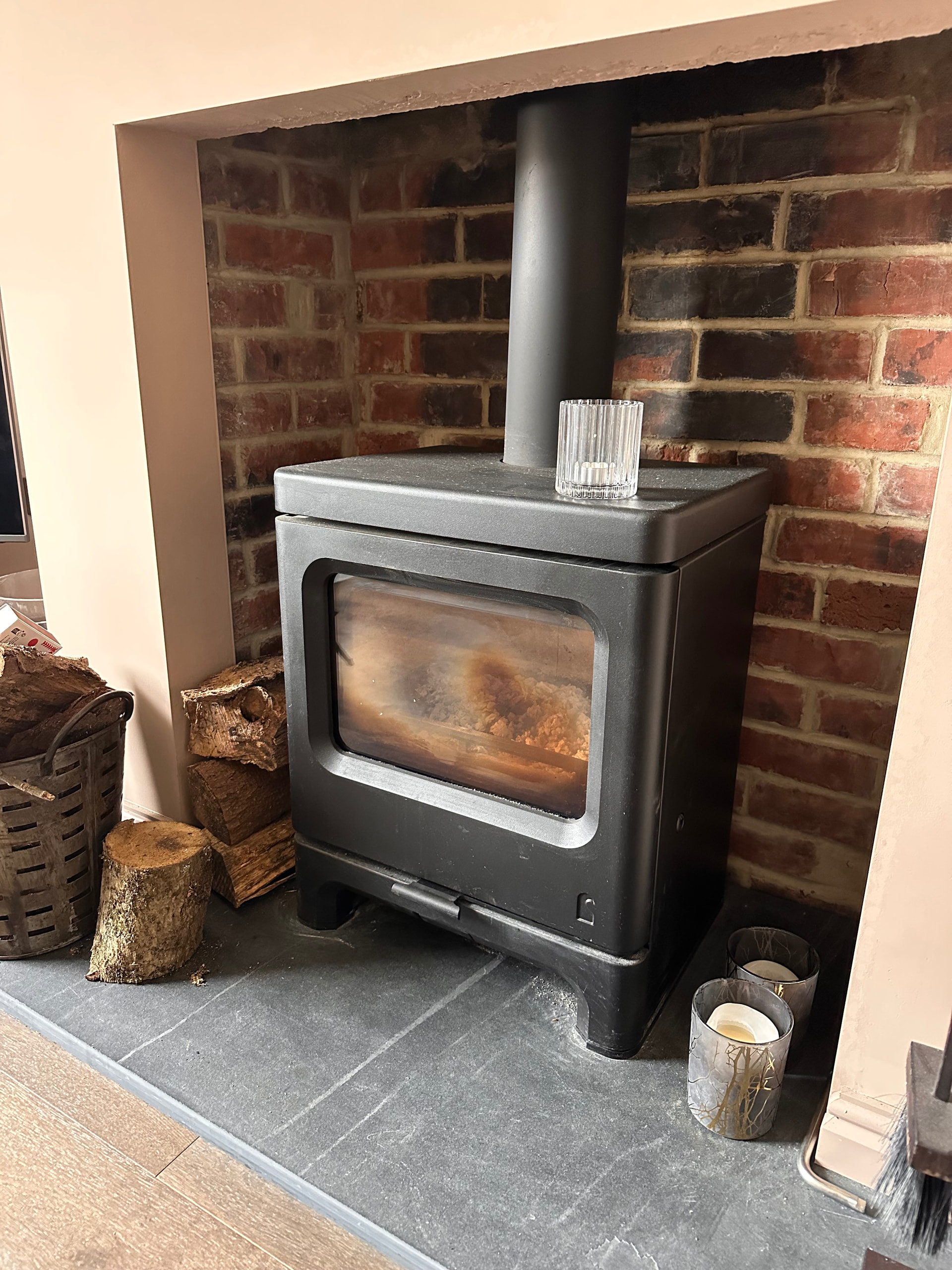
Looks like it’s had some water damage in the past but dried out again
2 Likes
Looks like semtex. 
3 Likes
Yes, compressed wood briquette which has probably got wet/damp and dried out again.
They can work pretty well when dry but some are better than others which you find by trial and error. Some expand due to the production method when burning separating into adjacent layers. Others don’t expand at all and just burn to ash.
1 Like

1 Like
Looks like a giant mushroom



4 Likes
Maybe ask Sigourney Weaver?
Our logs this winter have been seasoned apple wood. Nice and small for our Charnwood log burner, but it does take a while for the radiators to kick in (we have a sealed heating system, the log burner provides all our heat and hot water this time of year).
Anyway, the bad weather has meant they can’t get the truck into the yard to resupply us, and we ran out today. I was forced to head to B&Q for some bags of something pricey to tide us over. They had big bags of kiln dried logs at £20 a go, so I got three.
A revelation! Within 20 minutes to stove fan was spinning like mad - I’d assumed it was old / broken - and the radiators all kicked in after 40 minutes. Half the usual time. We don’t have a thermometer, but the burner “smelt hot” and the glass was burnt clear. I’d completely forgotten the huge difference between “local” and kiln dried logs. The price was high, but we used far fewer over the evening for much better results.
On a similar note - what are people finding good value in terms of heat logs this winter ?
3 Likes
How well seasoned were your apple logs? Air dried hardwood should normally be seasoned for 2 years in a sheltered, well ventilated store to get the moisture level low enough for clean, efficient burning.
Kiln dried logs theoretically get around the storage problem, but there are many other issues. They are often imported, so may have a high carbon footprint from processing (kilns obviously use a lot of energy) and transportation. Then, when stored outdoors, they may re-absorb a load of moisture, especially in a UK winter. Worse still when the likes of B&Q or a filling station store them outdoors and let the rain saturate them. Sounds like you were lucky with yours.
1 Like
Happy with your Charnwood? I think they are manufactured down here on the Isle of Wight. We have one installed already and are about to have another installed in a separate room. It’s good to buy from a local business.
The apple logs have been in a barn for a year but no more. Unfortunately we don’t have the space to store another years worth ourselves, otherwise I’d buy them all up in the spring. They’re a good size for a log burner, and burn really nicely. I just wish they burnt hotter - when logs are your only source of heat, that becomes rather important.
They are indeed from “The Island” which was a big selling point for me when we bought it. That was 10 years ago and I’ve absolutely no complaints. Highly recommended !
Presumably you’re also happy, now that you’re getting a second one ?
I prefer to use apple wood with other faster burning woods so that it gets to the right temperature and there the apple wood takes over and burns very hot (without smoke). I like apple wood very much since it is a childhood memory - my grandfather had a fruit farm.
6 Likes
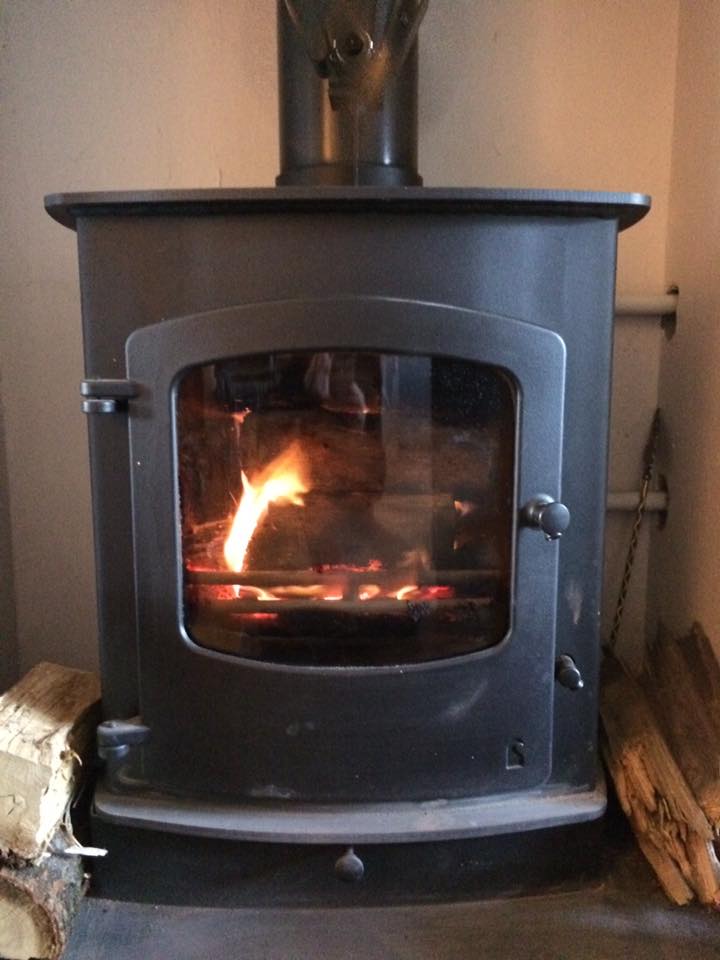
Have you tried the ‘top down’ fire lighting method? It’s counterintuitive, but I find that it gets the stove functioning properly much more quickly. It achieves this by getting more heat up the flue sooner after lighting so that the fire draws better.
3 Likes
My latest supply of ash (only sourced some this year) really takes some starting compared to silver birch which may be what you got from B&Q - most of the bargain stores/DIY outlets generally supply birch, often from Europe. Some oak I got is even harder to get going despite being dry.
I’ve started mixing burns starting off with readily combustible wood which gets the fire to a good heat then adding ash/oak which lights better once the fire is hot then lasts longer.
I located a depot outlet for one of the big online combustible fuel suppliers not too far away a few months ago. I’ve used coal briquettes before reluctantly, but some sacks of cheap ovals from the depot have been fantastic - I realised they are not authorised for smoke control areas (we’re not in one), but are far cheaper than what I’d considered more premium ‘acceptable’ ones, they last longer, and leave far less ash. There’s something odd about this whole ‘ready to burn’ or ok for smoke control areas branding. If you look at the data sheets for many ovals/briquettes, why are they full of binders/molasses etc not just coal/anthracite fines? Plus all the ‘eco’ things made from olive stones, coffee grounds, coconut etc just seem a bit gimmicky.
As for heat logs the hottties logs with a hole through their length used to be great - no longer made it seems and the Hotties XL to me are worse and made from lighter sawdust. There are so many varieties of heat logs out there but I’ve not found any great ones recently.
The octagonal heat logs with the longitudinal hole generally seem to be made from darker sawdust, but they vary a lot even from the same manufacturer (size and hole diameter). I suspect a lot are simply generic and re-badged.
Recently I’ve become aware of Pini Kay and Shimado descriptors for these heat logs, no idea where they came from. A search for Pini Kay seems to suggest oak/beech sawdust. Shimado seems vague.
Many heat logs created with high pressure cause lignins to bind the sawdust with no binder additives and don’t swell as they burn.
Some other heat logs, perhaps not compressed as much, expandinto concentric layers as they burn - often hot but I prefer the ones that don’t expand.
Home Bargains used to sell cracking (and cheap) Verdo heat logs but I don’t think they’re made these days. The heat logs currently at HB and B&M are not as good in my view - some at HB a few years ago were clearly dubious as they had coloured bits of plastic or wax in them!
I’m being using this method much more in recent years and it works pretty well and results in less smoke from the unlit wood compared to conventional starting from below.
1 Like
Any recommendations for current standalone smoke/CO alarms? Maybe wifi connected to allow phone alerts.
For CO we had a few Fireangel CO-9D units and some Honeywell smoke alarms. The Fireangel model looked quite nice, but is probably no longer made, Not sure I’m as keen on the replacement looks wise but I guess so long as they do the job…
The ones we have still work, but I could have sworn the other night the one in the AV room blinked red a few times, but there was no CO level recorded when I checked it. It’s now blinking green again and test mode shows no CO recorded.
Anyone bought a morso wood burner recently? Would you recommend them? We have been advised to look at the morso 7993 specifically but it’s difficult to find somewhere to look at one.
1 Like
I had a Morso Owl about 10 years ago, but replaced it with a couple of Jotul 100’s.
It was excellent but was too small for my current home.
1 Like