My preference between the 330 and the 335 goes to the former one. It is light, very resounding unplugged and incredibly sweet sounding. The only drawback of the 330 is that the neck connects to the body at the 16th fret.
I ordered the Collings I-30 LC untested. There was none to be found in France. Of course, I had read quite a lot. I already appreciated the Collings brand since I have an acoustic guitar from them. Their build quality is second to none.
I live in two different places and wanted another ES-330-like guitar for my second place. The advantages of the Collings I-30 LC over the Gibson are that it is even ligther and that the neck joins the body at the 19th fret. The body is smaller. Here, I prefer the larger body of the Gibson. In addition, the later sounds better unplugged. When plugged, the Collings sounds crisper and, who would have thought, less vintage. All in all, the Collings is nevertheless a fantastic all round guitar.
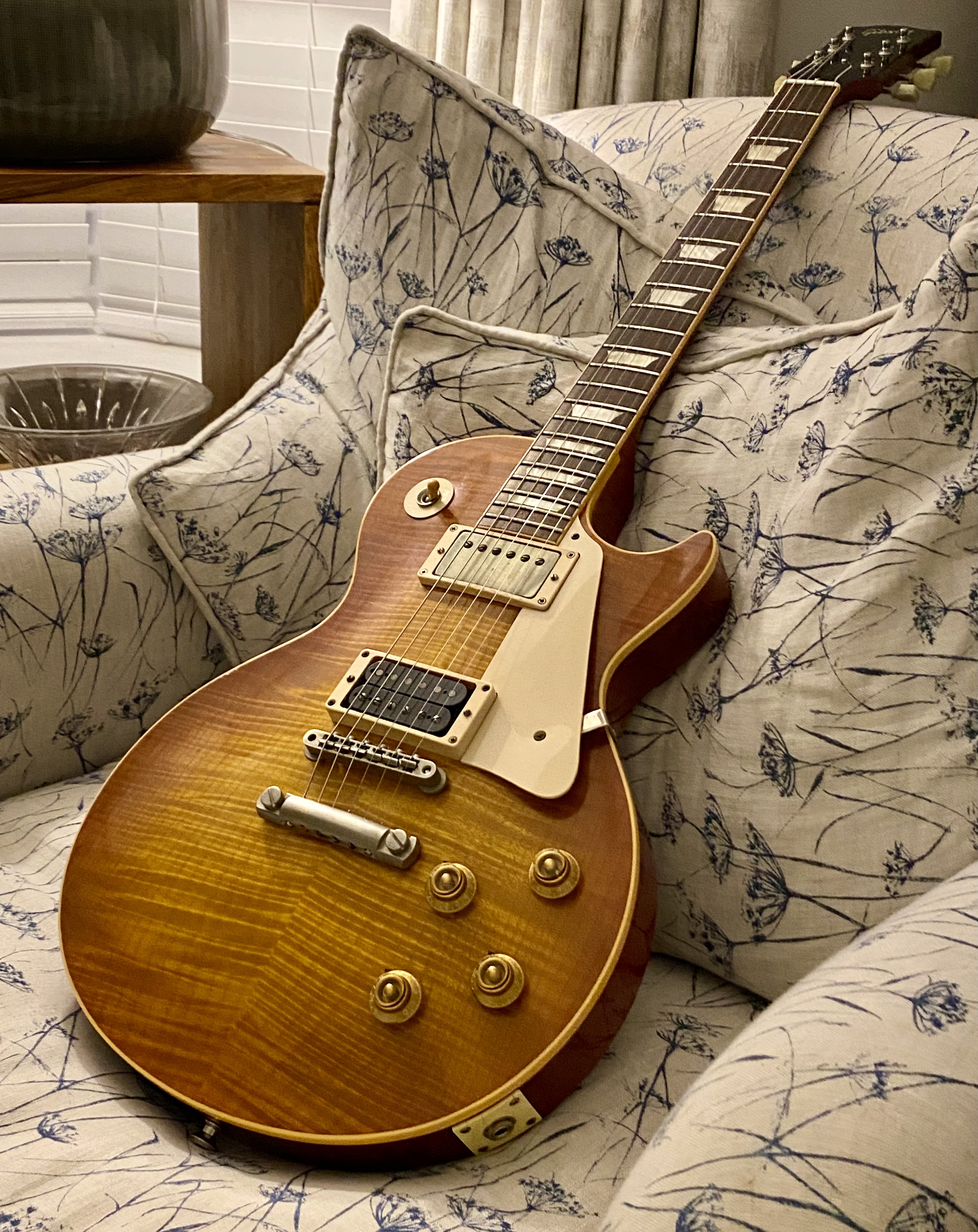
I know I’ve posted this one before, but I was having a happy plinky plonk session this morning, and just couldn’t resist.
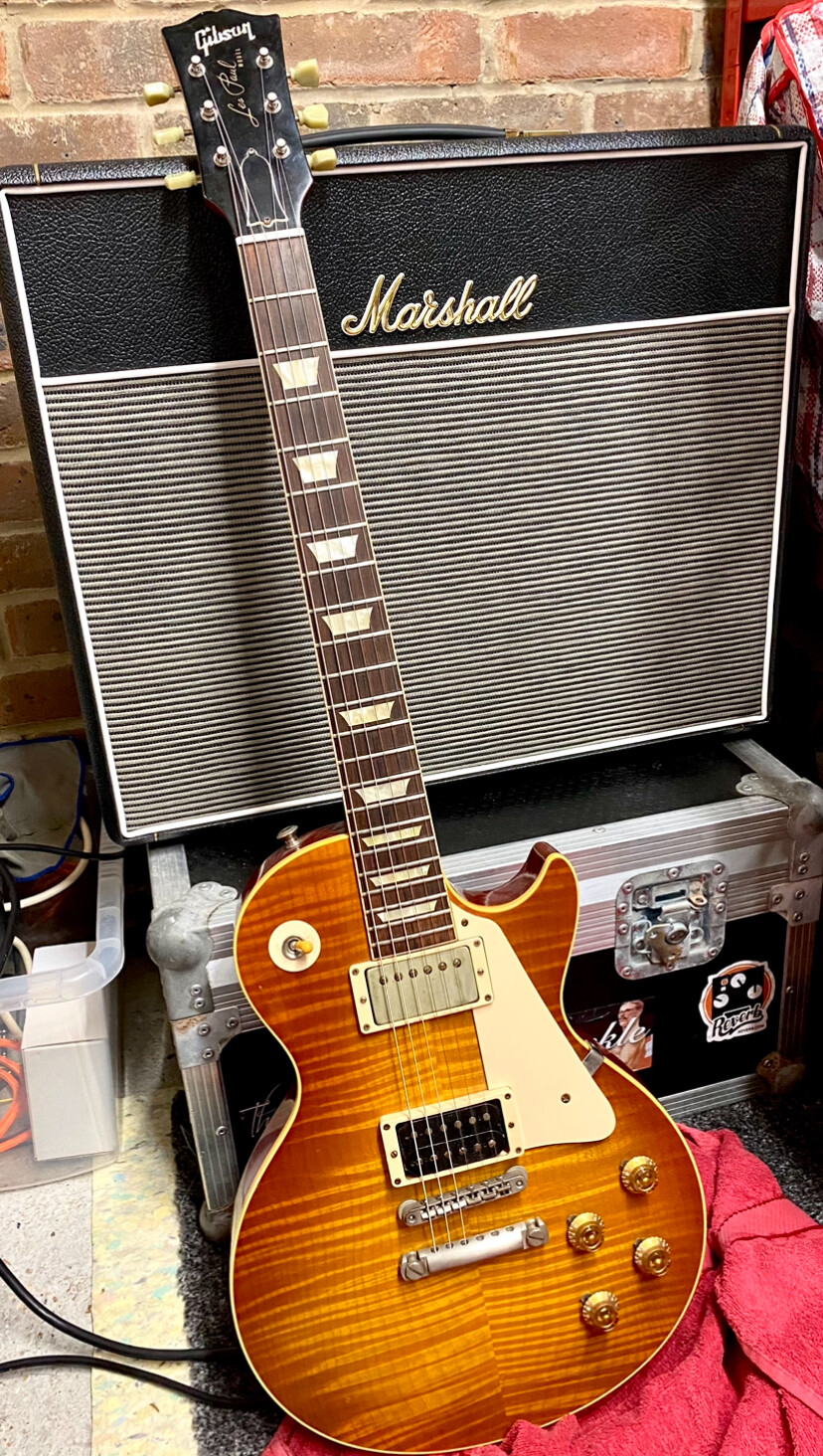
I’ve had a few Les Pauls of various vintages through my hands, but this has to be the prettiest one ever, and at upwards of two pounds lighter than yer average Les Paul, my ageing back gives thanks.
The Ultra was the best mass produced Tele that Fender made at the time, now replaced by the Ultra 2. As such it was high spec including some nice carving on the back of the body, locking tuners, loads of stuff really. Custom shop guitars are next level of course.
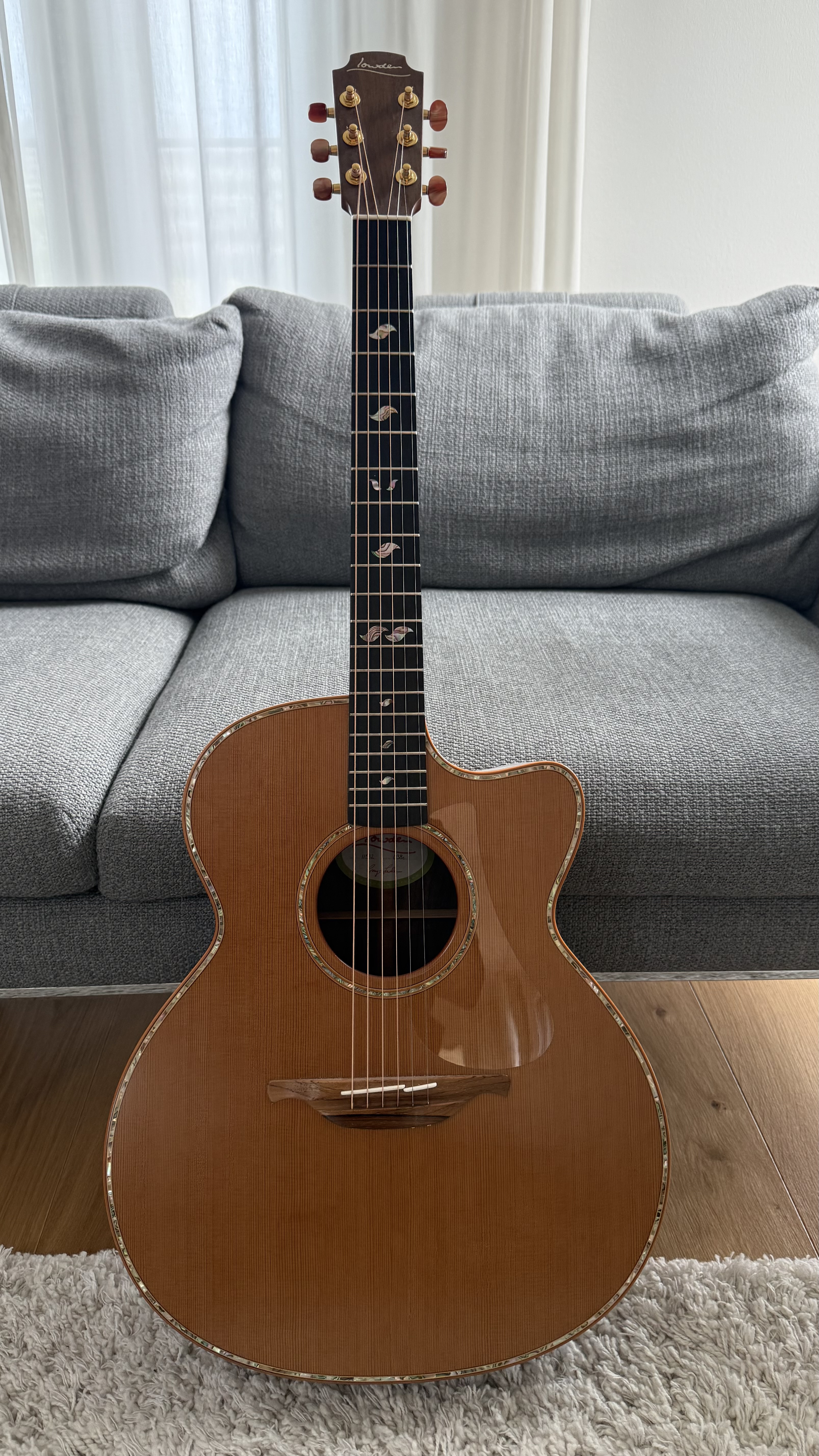
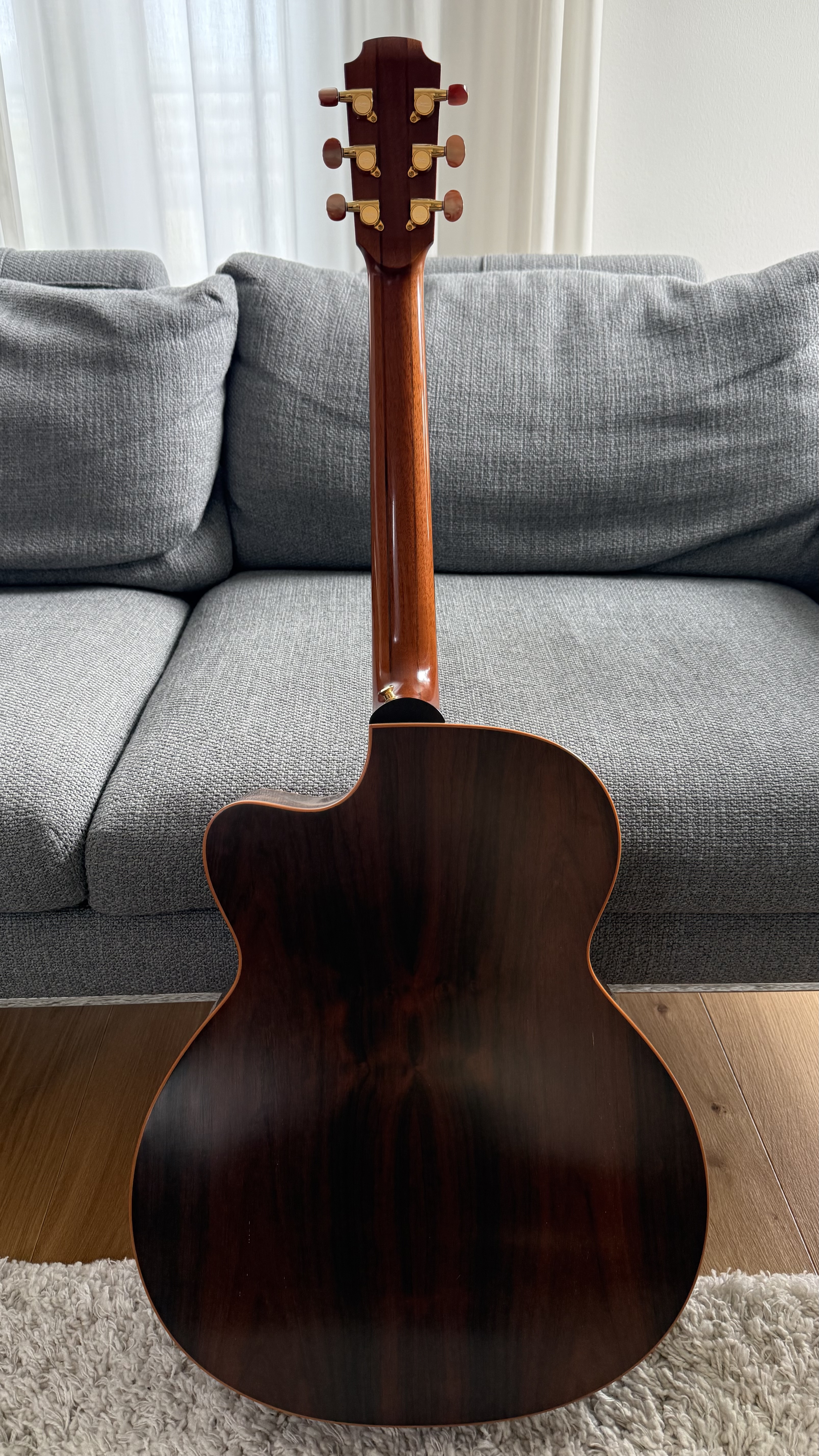
When someone told me this was on the market I couldn’t pass up the chance to own it: a beautiful Lowden scoustic with Brazilian Rosewood back and red cedar soundboard built in N. Ireland in 2000.
It’s got a lovely warm bright and full sound. As for the sustain, as the seller put it, you could go away and drink a coffee and it would still be ringing when you came back.