True ! I did it for several years, but can’t find anymore in my region 
Go on. You’ll have to explain why 100% N2 is better than just 78%N2.
Me too. I have some Michelin electronic dust caps so I can check the pressure without air escaping.
1 Like
The main reason for dry Nitrogen is no moisture.
That would not surprise me - it is basically a re-bodied Porsche Taycan - but better looking!
Peter
1 Like
Indeed Nitrogen is a dry gas. Air contains moisture that changes the temp and pressure in an indeterminate way. Whether it is needed in a road car is moot though as road tyres can pretty much accept large pressure changes in normal driving conditions.
1 Like
Right, so it’s more about having a dry gas than N2 itself?
Most air compressors will knock out most of the moisture into the receiver, assuming the receiver is blown down regularly.
Ive asked in a few tyre places to be told “ it’s just better”.
1 Like
I bought a Ring RTC 1000 pump in early 2024 which works off the socket in the car. It has proven very reliable and I’ve no problem recommending. Bought off big river. Much prefer having this in the boot and no concerns about having a battery to keep checking the battery charge level.
Peter
1 Like
The receiver tends to get warm and you then get water vapour condensing as it gets released. This is clearly no good for spraying paint or air tools so I made my own copper condenser with water trap.
No more water droplets being spat out of the spraygun.
So in short, don’t bother with N2, just keep an eye on tyre or is it tire pressures and use air.
1 Like
The Michelin dealership where I get my tires automatically fills them with nitrogen without an extra charge, they just think it is a good idea. It is definitely a consideration where temperatures fluctuate to the extremes or if you have leaky rims.
2 Likes
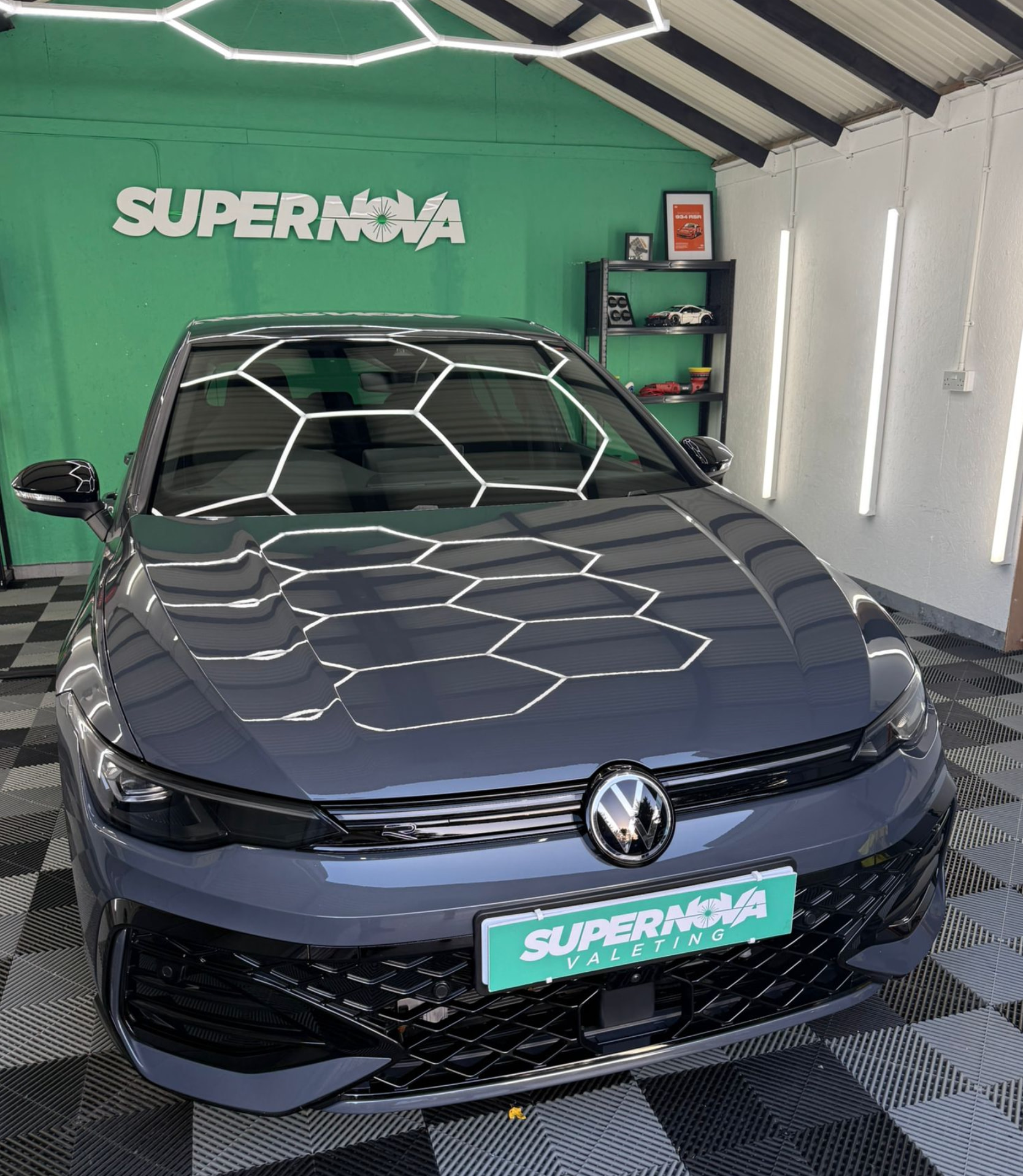
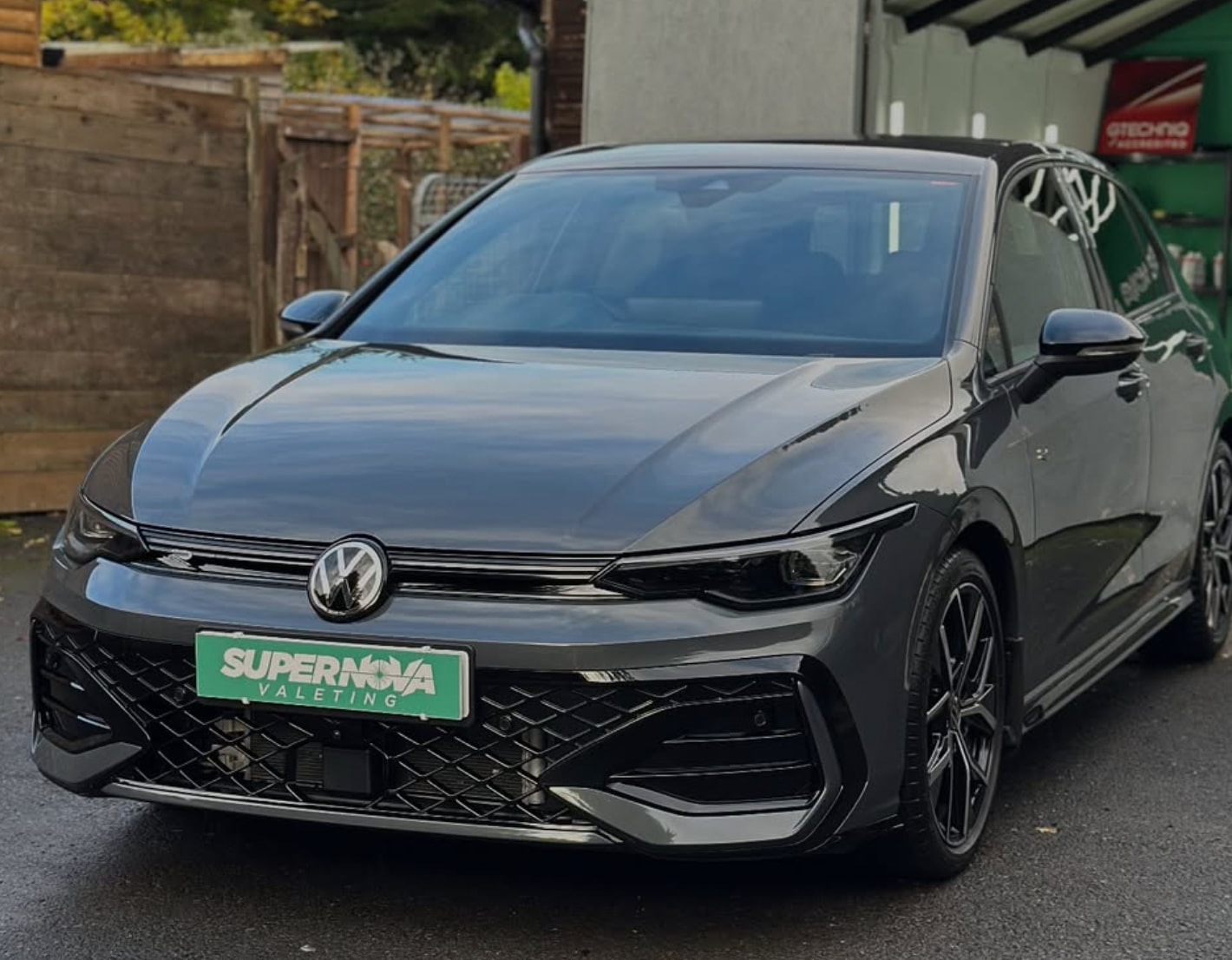
recent purchase for our second car, always liked Golf and the 8.5 seems to of sorted the issues on 8 with better screen and switches, R type Black edition not the Golf R, also had full ceramic coating
16 Likes
Your car might include an emergency kit, one of those that fills your tire with foam. Those will work fine for simple inflating. Just connect the hose directly to the device without the foam canister in between. It’s not clear to me why they don’t just tell you in the instructions that it can be used without the foam.
2 Likes
I am afraid I wouldn’t get in an vehicle knowing that the tyres were 20 years old. Severe sidewall cracking can appear after about 4 to 6 years.
As for modern wheel pressure loss, it was explained to me recently by a major wheel refurbisher.
They said that the inner surfaces of the wheel are painted & that any tyre will move slightly in normal use & will eventually wear some of paint away, creating gaps for air to escape from.
This happened to me with my last car at 100,000 miles & 8 years old. The tyres were removed & the inner surfaces properly cleaned & the tyres refitted. I owned the car for a further 4 years & 50,000 miles with no problems.
My current car has covered 62,000 miles in 12 years &, so far, no problems.
1 Like
I take your point but they were stored dry and in darkness for most of their life. I keep an eye on them. They will be changed next week as I have some new Dunlops to go on.
My mate’s Michelins on the rear of his Granada lasted for 90,000 miles 

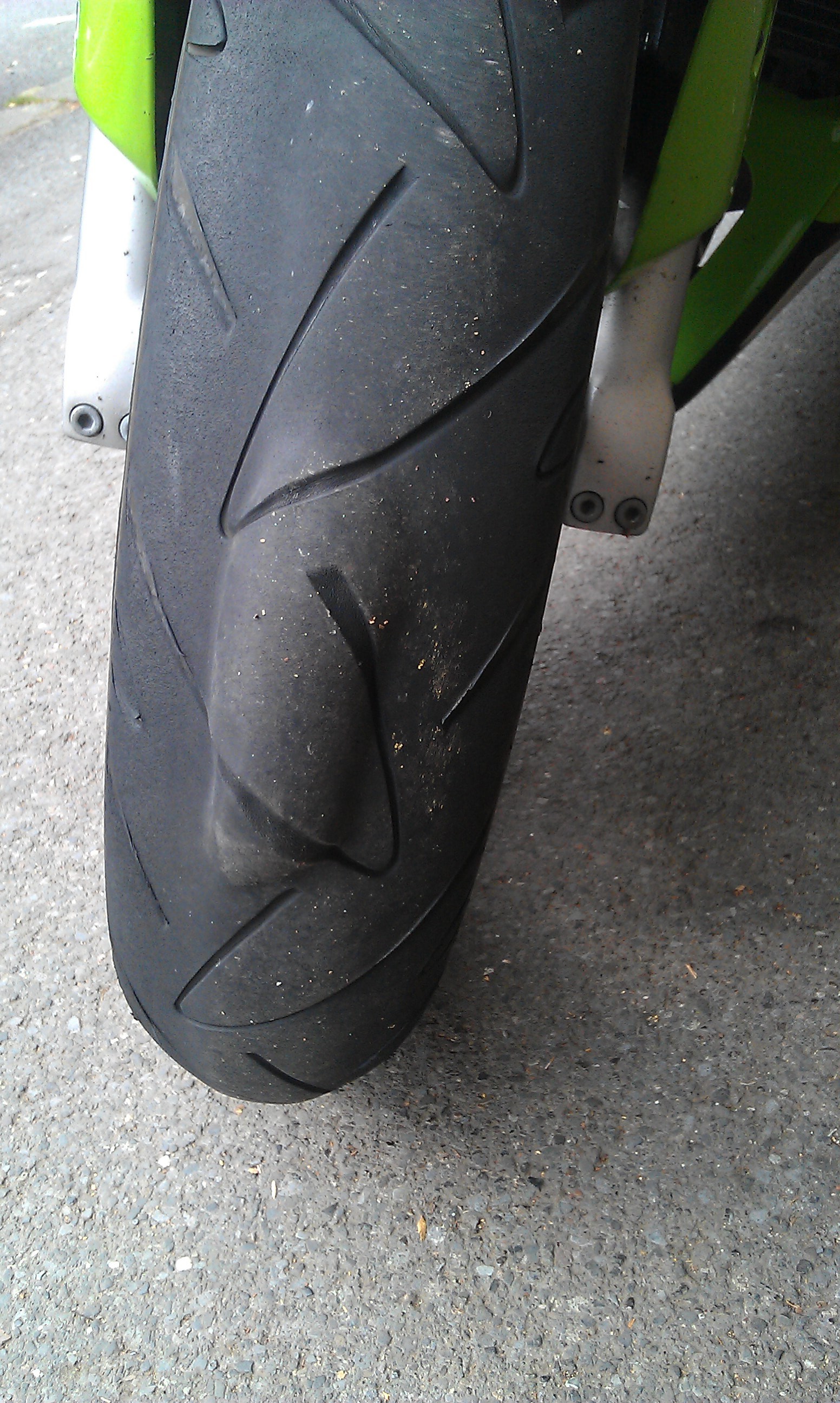
This was less than two years old Continental on my bike  . just after I come over the Snake Pass. Luckily I felt it just as I was arriving at Sheffield. Never have Conti’s again - Bridgestone only for me.
Very weak carcasses on Conti’s.

2 Likes
Ah, I thought you meant that they had been in use for 20 years. Sorry I misunderstood.
1 Like
I have a woowind portable inflator thing - does 120psi for push bikes too. Handy as it is the same size as a cupholder thing. I also have a racesense pressure gauge so I know the exact presssures
Scary!
2 Likes
I filed a complaint with Contintal UK and got nowhere so I contacted the CEO in Germany.
I eventually got the cost of my replacement fitted my a mobile bike tyre back from the UK distributor. By this time they had ‘lost’ the evidence  and had given up saying that it had be run low on air pressure.
2 Likes